Debit Card vs Credit Card: Which to Use and When
Key takeaways
- A debit card pulls money straight out of your checking account in close to real time, while a credit card borrows from the bank and bills you later, and that single difference drives almost everything else.
- Federal fraud protections are not the same: credit card losses are capped at $50 under Regulation Z, while debit card liability under Regulation E can climb to $500 or even your whole balance if you report too slowly.
- Debit card use does nothing for your credit score because nothing is reported to the bureaus, while a credit card used carefully is one of the most reliable ways to build credit history.
- Credit cards can earn real rewards and float your money interest-free until the statement is due, but only if you pay the full balance, because carrying a balance at a 20-plus percent APR erases any reward you could earn.
- The smart move for most people is not picking one card forever, it is matching the card to the purchase: debit for cash-like spending and budgeting discipline, credit for anything with fraud risk, a deposit hold, or a dispute that might come later.
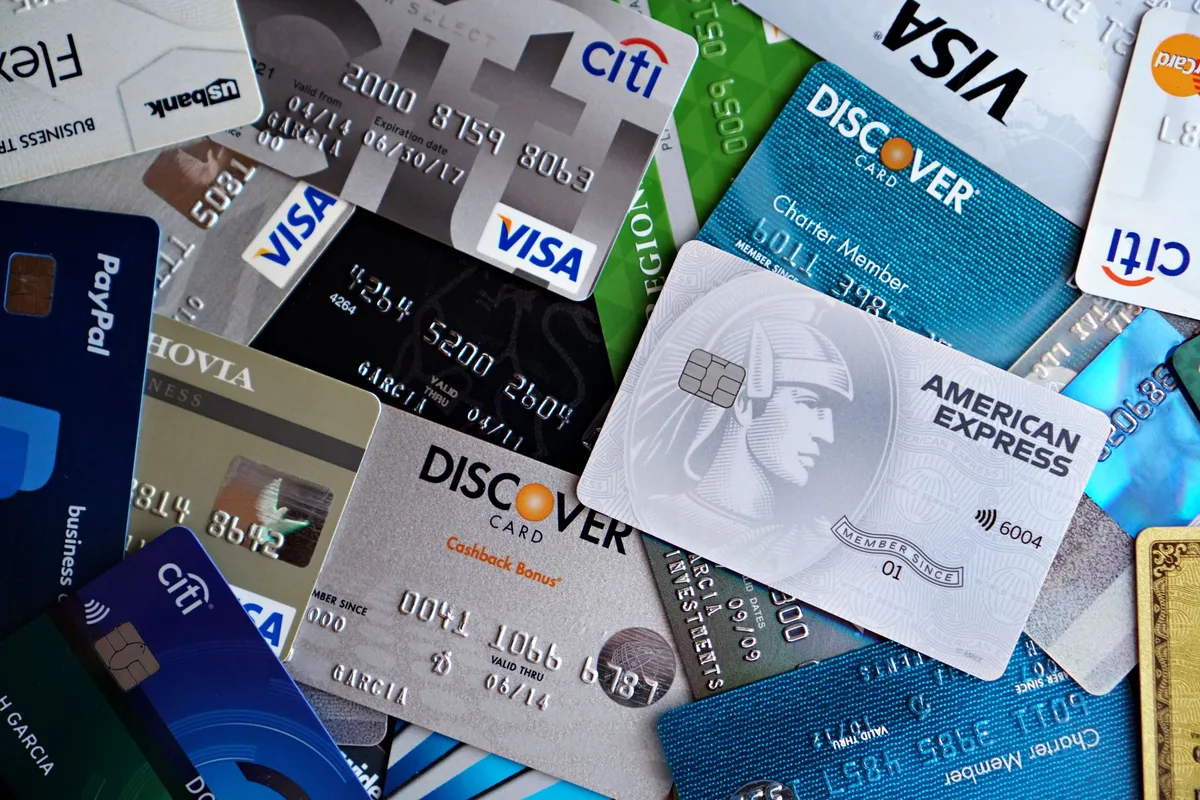
Pull a debit card and a credit card out of your wallet and set them side by side. Same rectangle of plastic, same chip, same magnetic stripe, same little contactless symbol. They tap the same readers and they both spit out a receipt you sign or ignore. From the cashier's side of the counter, they are basically twins. From your money's side of the counter, they could hardly be more different. One reaches into your checking account and takes real dollars out, right now. The other quietly borrows from a bank and hands you a bill at the end of the month. That gap, who owns the money at the instant you tap, is the hinge that everything in this guide swings on.
Most people pick a card out of habit. They reach for debit because spending their own money feels responsible, or they reach for credit because the points are nice, and they never think about the machinery underneath. But the machinery is exactly where the consequences live. It decides who is on the hook when a thief copies your number, whether the purchase helps or ignores your credit score, whether a hotel hold can bounce your rent, and whether you pay interest or float free for a few weeks. This is a guide to that machinery, and to a simple habit of matching the right card to the right purchase, so you stop leaving protection and money on the table.
How Each Card Actually Moves Money
Start with the money flow, because it explains everything downstream. When you pay with a debit card, the transaction is a request to your own bank: please take this amount out of my checking account and send it to the merchant. The bank checks that the funds are there, places a hold, and within a day or two the money is gone from your balance for good. You spent cash you already had. There is no loan, no statement, no bill. The purchase is final the moment it settles.
A credit card runs a different play. When you tap it, the issuing bank pays the merchant on your behalf out of a revolving line of credit the bank extended to you. You did not spend your own money. You borrowed the bank's money and promised to pay it back. At the end of the billing cycle, the bank tallies everything you borrowed and sends a statement. If you pay the full balance by the due date, you borrowed that money for free. If you do not, the unpaid portion starts accruing interest, and that interest is how credit card companies make a large share of their profit.
This single difference, your money now versus the bank's money later, is the root of every practical distinction that follows. It is why fraud feels different, why one card builds credit and the other does not, why holds behave differently, and why rewards exist on one side and not the other. Keep the flow in mind and the rest stops feeling like trivia and starts feeling like cause and effect.
Fraud Liability: The Difference That Actually Costs Money
Here is where the twins stop looking alike. Both cards can be stolen, skimmed, or copied. What differs is whose money is at risk while the mess gets sorted out, and how generously federal law protects you. There are two separate rulebooks, and knowing which one applies is genuinely worth money.
Credit cards: Regulation Z and the $50 cap
Credit cards fall under the Truth in Lending Act, implemented through Regulation Z. Under that rule, your maximum liability for unauthorized charges on a lost or stolen credit card is $50. That is the legal ceiling. In practice, nearly every major card network and issuer advertises zero liability, meaning you owe nothing for fraud you report. And remember the money flow: a thief running up your credit card is spending the bank's money, not yours. Your actual checking balance never moves. You dispute the charges, the bank removes them while it investigates, and your day-to-day cash is never touched.
Debit cards: Regulation E and the sliding scale
Debit cards fall under the Electronic Fund Transfer Act, implemented through Regulation E. This is a different and less forgiving regime, and the key feature is that your liability slides based on how fast you report the problem. The widely cited tiers work like this:
- Report before any unauthorized charge posts, or within two business days of learning your card is lost or stolen: your maximum liability is $50.
- Report after two business days but within 60 days of your statement being sent: your maximum liability can climb to $500.
- Wait longer than 60 days after the statement: you can be on the hook for the full amount taken, with essentially no legal cap.
Sit with that for a second. With a credit card, the worst case the law allows is $50 and the realistic case is zero. With a debit card, the worst case is your entire balance, and the protection you keep depends on a clock that starts ticking the moment a statement goes out, whether or not you have looked at it. On top of that, the stolen money is your real money. Even when you will eventually be made whole, the funds can be missing from your checking account for days or weeks while the bank investigates, and that gap can bounce your rent, your mortgage payment, or your car loan.
This is the single most important practical reason many people reach for credit on anything that carries fraud risk. It is not that debit is unprotected. It is that the protection is weaker, slower, and tied to your actual cash rather than the bank's. If your debit card number gets skimmed at a gas pump, the fight to get your own grocery money back is yours to start, fast, on a deadline. If your credit card number gets skimmed, you are disputing money that was never yours to begin with, and your real account sits untouched.
How Each Card Touches Your Credit Score
This one is simple to state and easy to get wrong. Debit card activity is invisible to your credit. A credit card, used a certain way, is one of the most accessible credit-building tools there is.
The reason traces straight back to the money flow. A debit card is linked to money you already own, so there is no lending relationship and nothing to report. Banks do not send your debit purchases, your checking balance, or your spending habits to the three credit bureaus. You could run ten thousand dollars a month through a debit card for a decade with flawless discipline, and your credit score would not move a single point because of it. Debit is simply outside the credit system.
A credit card is inside that system by design. Because the issuer is lending you money, it reports to the bureaus every month: your balance, your limit, and whether you paid on time. That reporting is the raw material of a credit score. Used well, a credit card builds the two factors that matter most. Payment history, the largest single factor in most scoring models, rewards you for paying on time every month. Credit utilization, how much of your available limit you are using, rewards you for keeping balances low relative to your limit. A person who charges modest amounts and pays in full every month is steadily building a strong score almost as a side effect.
The flip side is just as real. A credit card used carelessly damages credit faster than almost anything else. Miss a payment by 30 days and it can land on your report for years. Run the balance up near the limit and your utilization spikes, dragging your score down. The same tool that builds credit when handled with discipline tears it down when handled without. Debit cannot help you, but it also cannot hurt you. Credit can do both, powerfully.
Rewards, Interest, and the Real Cost of Floating
Credit cards dangle two perks that debit cards mostly cannot match: rewards and a grace period. Both are real, and both come with a catch that swallows them whole if you are not careful.
Rewards
Many credit cards pay you to use them, commonly somewhere between 1 and 5 percent back on purchases, in cash, points, or miles. Debit cards rarely offer meaningful rewards, because the economics are different and the law caps the fees banks can collect on many debit transactions. So on the surface, credit looks like found money. Spend what you would have spent anyway, collect a percentage back. And it genuinely can be, with one enormous condition attached.
The grace period and the interest trap
Credit cards include a grace period, a window after the billing cycle ends during which new purchases do not accrue interest, as long as you pay your statement balance in full and on time. Pay in full every month and you are effectively borrowing the bank's money for free for a few weeks, then settling up with no interest at all. That is the float, and it is a genuine perk: your own cash stays in your account, possibly earning interest, until the bill is due.
But the grace period is conditional, and the condition is total. Carry a balance from one month into the next, and you typically lose the grace period entirely. Now interest starts accruing on your balance, and often on new purchases from the day you make them, at an APR that for many cards sits north of 20 percent. At that point the math turns brutal. A 2 percent reward is meaningless next to 20-plus percent interest compounding on a balance you are carrying. The reward was never the product. Your interest is the product.
The honest summary is this. A credit card paid in full every month is close to a free upgrade: rewards, float, fraud protection, and credit building, at no cost. A credit card carried month to month is one of the most expensive forms of borrowing a normal person ever takes on, and the rewards are a rounding error against the interest. The card does not decide which of those two it is. Your payment habit does. Debit sidesteps the whole question by never letting you borrow in the first place, which for some people is exactly the guardrail they want.
Holds and Overdrafts: Where Debit Gets Tricky
Two everyday situations expose a real weakness in debit cards: authorization holds and overdrafts. Both are manageable once you understand them, and both are reasons people keep a credit card around even if they prefer debit for daily life.
Authorization holds
An authorization hold is a temporary freeze a merchant places on funds before the final charge amount is known. Gas stations are the classic example: the pump does not know how much you will pump, so it pre-authorizes a flat amount to make sure you can cover it. Hotels and rental car companies do the same, often holding a deposit for incidentals or damage on top of the room or rental cost.
On a credit card, a hold simply reduces your available credit for a day or two, then drops off. You rarely notice. On a debit card, the held amount is carved out of your actual checking balance. It is your money, frozen, unusable, until the hold clears. A hotel that holds a few hundred dollars for incidentals can leave you unable to buy dinner with the same card, even though your real balance looks fine on paper. This is why travel and fuel are situations where many people deliberately reach for credit. The hold lands on the bank's credit line instead of their grocery money.
Overdrafts
An overdraft happens when a transaction exceeds your available balance. With a credit card, this concept barely exists in daily spending: you have a credit limit, and a purchase over it is usually just declined. With a debit card, the outcome depends on a choice you may not remember making. Federal rules require your bank to get your affirmative opt-in before it can charge overdraft fees on everyday debit card and ATM transactions. If you have not opted in, a debit purchase that exceeds your balance is typically declined at no cost, which is annoying but free. If you have opted in, the bank may approve the purchase and charge an overdraft fee for the privilege of spending money you did not have.
Combine holds and overdrafts and you can see the trap. A hotel hold freezes part of your balance, a recurring bill hits the same account, your available funds dip below zero, and if you opted in to overdraft coverage, you pay a fee on top. None of this can happen on a credit card used for the same purchases, because there is no checking balance to overdraw. Knowing your overdraft opt-in status is one of the highest-value five-minute tasks in personal banking.
When Debit Is the Smarter Choice
None of this means credit always wins. Debit has real strengths, and for some people and some purchases it is clearly the better tool. Honesty requires naming where debit shines.
The biggest advantage is discipline. A debit card cannot let you spend money you do not have, which makes it a powerful budgeting guardrail. Research and plain experience both suggest people tend to spend more freely with credit than with cash or debit, because borrowed money feels less immediate than money leaving your account in real time. If credit cards have ever gotten away from you, debit removes the temptation entirely. You cannot carry a balance on money you already spent.
Debit also avoids interest by definition. There is no balance to revolve, no APR, no late-payment spiral. For someone rebuilding financial habits or recovering from credit card debt, that simplicity is worth more than any rewards rate. Debit is also the natural choice at the ATM, since withdrawing cash on a credit card is a cash advance that usually carries a fee and immediate interest with no grace period. And for small, routine, low-risk purchases at familiar merchants, the marginal fraud risk is low enough that many people happily use debit and keep their spending tightly tied to their real balance.
When Credit Is the Smarter Choice
Credit cards earn their keep in a handful of clear situations, most of which trace back to fraud protection, holds, or disputes. Reach for credit when the downside of something going wrong lands on your real money.
Online purchases top the list. Card numbers entered on websites are the most commonly compromised, and the stronger Regulation Z protections plus zero-liability policies mean a breach costs you nothing and never touches your checking account. Travel is next, between the authorization holds that can freeze a debit balance and the dispute leverage you may need if a flight, hotel, or rental goes sideways. Large purchases benefit from the same dispute power: if an expensive item arrives broken or never arrives at all, a credit card chargeback is a far stronger tool than trying to claw back money that already left your account.
Credit also wins anywhere you want the float and the rewards without taking on real risk, provided you pay in full. And for the specific goal of building or rebuilding credit, a credit card used responsibly is one of the few tools that reports the positive history a score is built from. The throughline is simple. When fraud risk, a hold, or a possible dispute is in play, you generally want the bank's money on the line, not yours.
A Decision Framework by Purchase Type
Theory is nice, but the real question is which card to reach for in the moment. Here is a practical framework many people use, organized by the kinds of purchases that come up in ordinary life. Treat it as a default, not a law, and adjust it to your own habits and self-control.
A few of these deserve a sentence of reasoning. Gas leans credit mainly because pay-at-the-pump skimmers are common and pre-authorization holds can freeze debit funds, though paying inside with debit sidesteps both. Online and travel lean credit on fraud protection and holds. Recurring bills are a toss-up that often favors credit for the dispute leverage if a subscription wrongly charges you, but favors debit if autopay on a borrowed line tempts you to overspend. Large purchases lean credit hard for chargeback power. Everyday small spending at trusted local merchants is where debit's budgeting discipline shines and the fraud downside is smallest. The honest answer for most people is that the best system uses both cards on purpose, not one card by accident.
The Bottom Line
The plastic is identical. The machinery is not. A debit card spends your money the instant you tap, builds no credit, offers weaker and slower fraud protection tied to your real cash, and freezes your balance when a hold lands, but it also enforces a spending limit you cannot exceed and never charges interest. A credit card spends the bank's money, builds credit when you pay in full, offers stronger fraud protection capped at $50 or zero, floats your purchases interest-free until the bill, and pays you rewards, but it punishes a carried balance with interest that dwarfs any reward.
Neither card is the hero of this story. The habit is. People who get the most out of their wallet are not loyal to one card. They reach for debit when they want a hard spending limit and the purchase is small and low-risk, and they reach for credit when fraud, a hold, or a possible dispute means they would rather risk the bank's money than their own. Match the card to the purchase, pay any credit balance in full every month, and know your overdraft opt-in status. Do those three things and the difference between the twins in your wallet stops being trivia and starts working quietly in your favor.
Banks profit from what their customers do not know.
Every fee, teaser rate, and disclosure is a test you are taking whether you study or not. The Financial IQ Test scores your real money knowledge across 90 tests and shows you the gaps before a bank finds them first.
Test your Financial IQQuestions people ask
Is it safer to use a debit card or a credit card online?
A credit card is generally the safer choice online because of how the law treats fraud. With a credit card, a thief is spending the bank's money, your maximum liability is $50 under Regulation Z, and most issuers offer zero liability on top of that. With a debit card, a thief is spending your actual cash, and under Regulation E your protection depends heavily on how fast you report the problem. Until the dispute is resolved, the money is missing from your real checking balance.
Does using a debit card build credit?
No. A debit card is linked to money you already have, so there is no borrowing and nothing to report. Banks do not send debit activity to the credit bureaus, which means responsible debit use will never raise your credit score. Building credit requires a product that reports to the bureaus, such as a credit card, a credit builder loan, or a secured card.
What is the difference between Regulation E and Regulation Z?
Regulation E governs electronic transfers and debit cards, and it ties your fraud liability to how quickly you report a lost card or unauthorized charge. Regulation Z governs credit, including credit cards, and it caps your liability for unauthorized charges at $50. In plain terms, Regulation Z protects borrowed money more generously than Regulation E protects your own deposited money, which is the core legal reason many people lean on credit cards for risky purchases.
Why do gas stations and hotels put a hold on my card?
An authorization hold is a temporary freeze the merchant places to make sure funds exist before the final amount is known. Gas pumps may pre-authorize a flat amount, and hotels and rental car companies often hold a deposit for incidentals. On a credit card the hold just reduces your available credit for a few days. On a debit card the hold removes that money from your usable checking balance, which can trigger overdrafts on other purchases until it clears.
Will I pay interest if I use my credit card for everyday purchases?
Not if you pay your statement balance in full by the due date. Credit cards include a grace period on new purchases, which means purchases made during a billing cycle do not accrue interest as long as you pay the full balance on time. Interest only starts when you carry a balance from one month into the next. The moment you do, the grace period typically disappears and new purchases can start accruing interest immediately.
Can a debit card overdraw my account?
Yes, if you have opted in to overdraft coverage for debit card and ATM transactions. Without opting in, a debit purchase that exceeds your balance is usually just declined at no cost. If you have opted in, the bank may approve the purchase and charge an overdraft fee. Federal rules require banks to get your affirmative consent before charging overdraft fees on everyday debit card transactions, so you can choose to have purchases simply declined instead.
Keep reading
Never Pay a Bank Fee Again: The Complete Playbook

CD Ladders Explained: Lock In Rates Without Locking Up Your Life
The Emergency Fund Guide: How Much, Where, and How Fast
The Flourish Letter
One smart money idea each week, charts included. Join free and get the printable 2026 Money Calendar in your welcome email.