Apple Just Blamed Its Shrinking Margins on Memory Chips. Here Is Why That Warning Matters for Your Portfolio
Key takeaways
- Apple reported about $114.5 billion in September quarter revenue but guided holiday quarter gross margin down to 45 to 46 percent and revenue growth to 7 to 10 percent year over year, citing memory costs plus Siri AI ramp expenses and revenue deferrals.
- The CFO's roughly one point margin decline excluding tariff refunds compared the June quarter with the September quarter; the December outlook is a separate story with additional drivers.
- TrendForce projects HBM will reach about 22 percent of the three suppliers' DRAM wafer input by the end of 2026, a forecast and still a minority share, up from about 18 percent at the end of 2025, and HBM uses roughly three times the wafer area per gigabyte, tightening conventional DRAM.
- NAND is a separate product with its own supply and investment limits, not a direct substitute for DRAM wafer capacity, so the HBM tradeoff applies specifically to DRAM.
- Memory makers benefit from scarcity, though TrendForce says DDR5 64GB server modules overtook HBM profitability per wafer in early 2026, while device makers with thin margins absorb the squeeze.
- A diversified, long term approach is generally a steadier response to this kind of cost shock than trading on individual headlines.
Apple reported a strong quarter on November 2, yet the earnings call kept returning to a single worry that had little to do with iPhone demand. Executives spent much of their time explaining why memory chips, the components that store data inside almost every electronic device, have become expensive enough to be the biggest force pushing the company's profit margin lower.
For years the memory market was treated as background noise, a commodity that got cheaper over time. In 2026 it has become a headline, and the reason traces back to the artificial intelligence build-out behind much of this year's stock market story. The connection is worth understanding whether or not you own a single chip stock.
What Apple actually said
Apple reported revenue of about $114.5 billion for its September quarter, ahead of what Wall Street had expected, according to coverage of the results from 9to5Mac and MacRumors. Company gross margin came in at 47.9 percent, a figure that included roughly one percentage point of favorable impact from tariff refunds.
Chief Financial Officer Kevan Parekh gave analysts both a look back and a look forward, and it helps to keep the two separate. Looking back, he said that, setting aside the tariff refunds, the gross margin decline from the June quarter to the September quarter was roughly one percentage point, driven primarily by higher memory costs.
The outlook is a different matter. Apple guided December quarter gross margin down to a range of 45 to 46 percent. Management attributed that step down not only to higher memory costs but also to the cost of ramping its Siri AI features, which raises cloud expenses, and to revenue deferrals tied to devices that bundle those features, where a portion of revenue is recognized over the life of the device rather than at the point of sale. Chief Executive John Ternus described current memory pricing as unprecedented and said he expects the increases to continue past the December quarter and into 2027.
On revenue, Apple guided the holiday quarter to year over year growth of 7 to 10 percent, which it framed as its best view given constrained supply and still its largest revenue quarter ever. Apple also said Mac and iPad supply would be constrained because of the memory shortage. When an analyst asked whether product prices might rise again, executives declined to give a straight answer.
Two balance sheet numbers show how the company is bracing for higher costs. Reported inventory more than doubled from a year earlier to roughly $14.5 billion, and manufacturing purchase obligations stood at about $90 billion. Apple's disclosures describe these obligations as covering components, subassembly manufacturing, and final assembly and testing, not memory chips specifically, so the total is a disclosed commitment, not a measure of how much memory Apple has locked in.
Why memory suddenly costs so much
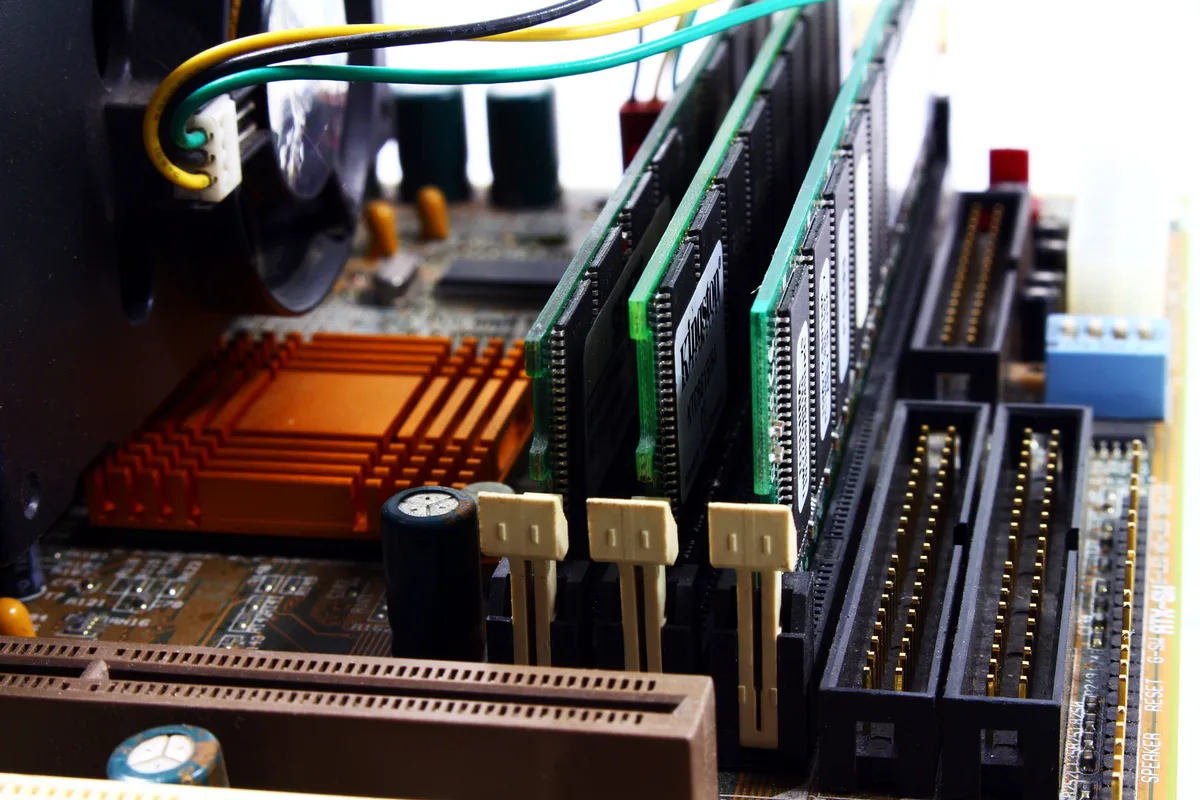
The pressure starts with a choice facing the three companies that make most of the world's memory: Samsung, SK Hynix, and Micron. They can point DRAM wafer capacity at high bandwidth memory, known as HBM, which stacks DRAM for the accelerators that power AI data centers, or at conventional DRAM. Conventional DRAM includes the DDR5 that goes into PCs and servers and the low power memory, known as LPDDR5 and LPDDR5X, that goes into phones and many cars. HBM and conventional DRAM draw on the same wafer capacity, so more of one generally means less of the other.
The makers have moved a growing share of that capacity toward HBM, but not the majority of it. Industry researcher TrendForce estimates HBM made up about 18 percent of the three suppliers' total DRAM wafer input at the end of 2025 and projects that share will reach about 22 percent by the end of 2026 and roughly 30 percent by the end of 2027. Because the current year is not yet complete, the end of 2026 figure is a forecast rather than a settled result. The crunch is sharper than those shares suggest because HBM is wafer hungry. TrendForce estimates it uses about three times the wafer area of conventional DRAM for the same capacity, so each wafer moved to HBM removes more conventional DRAM than it adds in HBM.
Profitability is not as one sided as it might seem either. TrendForce reported that on a per wafer basis, high capacity server memory in the form of DDR5 64GB RDIMMs actually overtook HBM in early 2026 as conventional DRAM prices climbed. That is one reason analysts expect suppliers to push HBM contract prices sharply higher in 2027 to keep prioritizing it.
NAND flash, the chip that provides storage rather than working memory, is a separate product with its own supply and investment pressures rather than a simple substitute for DRAM wafers. IDC has estimated 2026 supply growth of roughly 16 percent for DRAM and 17 percent for NAND, both below what demand would require, which is why tightness shows up across memory types even though the HBM wafer tradeoff applies specifically to DRAM.
The strain is already visible in consumer markets. IDC estimated that the memory content inside smartphones cost roughly 350 percent more year over year as of the third quarter of 2026, and tied a record drop in smartphone shipments to those costs. The policy research group CSIS has described the same pattern as a shortage rippling out from data centers into the memory used in phones, laptops, gaming consoles, and vehicles.
Who wins and who pays
This is where the story gets useful for investors, because a cost shock like this does not hit every company the same way. The memory makers are on the winning side, selling scarce products into strong demand. The companies that buy memory as an input, and cannot easily pass the full cost on, are on the paying side.
Apple sits in an unusual middle position. It has the scale and cash to build inventory and the pricing power to raise product prices, but it still guided margins lower, which tells you how severe the pressure is. Companies with thinner margins and less bargaining power, such as personal computer makers and makers of lower priced electronics, have less room to absorb the hit. Several PC vendors have already raised prices on high memory configurations.
If you want to see this kind of pressure for yourself in any company you follow, it shows up in the gross margin line and in commentary about input costs and inventory. Our guide on how to read company financial statements walks through exactly where to look.
What this means for a long term investor
It is tempting to treat every piece of AI news as a reason to trade. The more durable lesson here is about how a single technology shift can reshape costs across industries you might not associate with AI at all. The memory crunch connects data center spending to the price of a laptop, a car, and a game console, and to the margins of companies that have nothing to do with building AI models.
A few practical takeaways follow from that. First, concentration risk cuts both ways. A broad index fund already owns the memory makers that benefit and the device makers that pay, which is part of why diversification exists. Second, margin guidance is often more revealing than a revenue beat. Apple topped revenue estimates and still fell in after hours trading, because investors look forward, not backward. Third, be cautious about assuming any single quarter marks the peak. Apple's own executives said they do not expect relief soon, and several research firms expect the tightness to extend into 2027 and possibly beyond.
None of this is a signal to buy or sell any particular stock. It is a reminder that the AI story is no longer confined to a handful of chip names. It is working its way through supply chains and onto income statements in ways that will keep showing up in earnings calls for several quarters. The chart below lets you experiment with how a long holding period and steady contributions behave over time.
Watch the gross margin lines and capital spending plans in the coming weeks of earnings. Those two numbers, more than any product announcement, will tell you how long the memory squeeze is likely to last and who can ride it out.
Most investors cannot pass a basic money test. Can you?
The market charges tuition for every gap in your knowledge. The Financial IQ Test measures what you actually know across investing, banking, credit, and retirement, then shows you exactly which gaps to close before they get expensive.
Test your Financial IQQuestions people ask
Why are memory chips so expensive in 2026?
Memory makers have moved a rising share of their DRAM wafer capacity toward high bandwidth memory used in AI accelerators, which TrendForce projects at about 22 percent of the three suppliers' DRAM wafer input by the end of 2026, a forecast rather than a confirmed result since the year is not yet over. Because HBM uses roughly three times the wafer area per gigabyte, that shift tightens the supply of conventional DRAM, including the DDR5 used in PCs and servers and the low power LPDDR memory used in phones. NAND storage chips face their own separate supply limits, and research firms such as TrendForce and IDC report sharp price increases across memory types.
How much did Apple say its margins would fall?
Apple reported company gross margin of 47.9 percent for the September quarter, including about one point of favorable tariff refunds, and guided the December quarter to a range of 45 to 46 percent. The chief financial officer separately said that, excluding tariff refunds, the margin decline from the June quarter to the September quarter was primarily driven by higher memory costs. The December guidance also reflects Siri AI ramp and cloud costs and revenue deferrals.
Does this mean I should sell technology stocks?
No. This article is reporting and analysis, not investment advice. A cost shock like this helps some companies, such as memory makers, and pressures others, such as device makers with thin margins. A broad, diversified portfolio already holds both sides, which is one reason many long term investors avoid reacting to single earnings calls.
Will this make my next phone or laptop more expensive?
It could. Several personal computer makers have already raised prices on high memory configurations, and Apple declined to say whether it would raise product prices again. IDC has tied a record drop in smartphone shipments to higher memory costs. Memory is only one component, so the final effect on any device depends on the maker's pricing choices and the rest of the bill of materials.
How long is the memory shortage expected to last?
Apple executives said they do not expect relief soon, and several research firms expect the tightness to extend into 2027 and possibly beyond, because it is driven by a structural shift toward AI memory rather than a short term spike. A meaningful return to earlier prices would likely require AI demand to level off or significant new factory capacity to come online.
Where can I see this cost pressure in a company's financials?
Look at the gross margin line and management commentary about input costs and inventory. A sharp rise in inventory, like Apple's, can signal a company building up a scarce input. Reading the income statement and balance sheet together gives the clearest picture.
Keep reading

How to Choose a Brokerage Account in 2026: A Practical Guide
Dividend Investing for Beginners: Income You Can Actually See
Dollar-Cost Averaging: The Math, the Myths, and When It Wins
The Flourish Letter
One smart money idea each week, charts included. Join free and get the printable 2026 Money Calendar in your welcome email.