The World's Biggest Memory-Chip Maker Just Posted Record Profit. Its Stock Crashed Anyway. Here Is Why.

Key takeaways
- In late July 2026 a sharp sell-off hit chipmakers, and memory-chip makers most of all. South Korea's SK Hynix reported a record quarterly profit yet its stock still fell about 15 percent, and rival Samsung Electronics dropped about 13 percent, its worst single day in almost two decades. In the U.S., Micron, Intel and AMD slid while Nvidia dipped then closed roughly flat. Reporting said more than 1 trillion dollars of stock value was erased over the stretch, with over half of the losses concentrated in a handful of memory-related names.
- The puzzle of record profit plus a falling stock is explained by one idea: last quarter's profit is a report card on the past, but a stock price is the crowd's best guess about the company's future, priced in today. When a stock has been red hot, expectations are sky-high, so being great is already assumed. If the future looks even a shade less golden than that flawless picture, the stock can fall even as the company posts record numbers, because the good news was already baked in and the worry is fresh.
- The 'AI trade' is shorthand for the fact that a small group of companies tied to artificial intelligence, mainly chipmakers and the big tech firms buying their chips, has driven a large share of the market's gains and is priced for a nearly perfect future. That makes this corner jumpy: when you are priced for perfection you have a long way to fall if the story wobbles. This week the fresh worries were rising competition from Chinese chipmakers and questions about how the huge AI build-out is being financed.
- One competitor headline can erase a trillion dollars because a scary story lowers everyone's estimate of future profits, and so much money is crowded into a few enormous names that when the crowd sells at once, the price drops fast; even a modest percentage decline on giant companies is a huge dollar figure. Concentration runs in reverse as hard as it runs forward. The calm lesson: do not bet the farm on one hot theme. Own a broad, low-cost index fund so you share the AI upside without being wrecked by any single name's bad week, keep a cash cushion, add steadily, and let patience do the work.
This week the stock market handed regular people a genuine head-scratcher. A company called SK Hynix, one of the largest chipmakers on earth, announced its best quarter ever. Record sales. Record profit. And then its stock fell about 15 percent. On the same day its rival Samsung Electronics dropped about 13 percent, its worst single day in almost twenty years, and the selling spread across the whole chip aisle of the market, from Micron to Intel to AMD. By the time the dust settled, reporting said more than a trillion dollars of stock value had been erased over the stretch.
If your first reaction is "wait, how does a company post record profit and lose that much value," you are asking exactly the right question. It is one of the most useful puzzles in all of investing, and once it clicks, a huge amount of confusing market news suddenly makes sense. So let us slow it all the way down and pull out the one calm lesson for your own money.
What actually happened
These are not the chips in your laptop so much as the chips inside the giant computers that run artificial intelligence. Samsung and SK Hynix are the world's two biggest makers of a special kind of memory, called high-bandwidth memory, that AI servers gulp down by the truckload. For the last couple of years, as companies raced to build AI, these memory makers have been some of the hottest stocks on the planet.
Then this week the mood flipped. Even SK Hynix's record results were not enough to stop the slide, and the losses piled up fast across every name tied to AI chips.
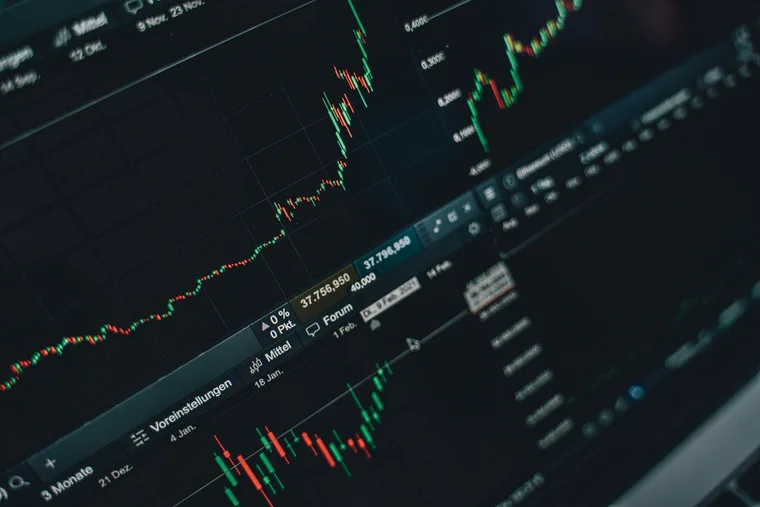
That chart shows the odd split at the center of the story: a record profit on one side, a double-digit stock drop on the other, all in the same few days. To understand how both can be true at once, you have to know the single most important idea about what a stock price really is.
The one idea that explains it: a stock is a bet on tomorrow
Here is the key. A company's profit last quarter is a report card on the past. But its stock price is not about the past at all. A stock price is the crowd's best guess about the company's future, priced in today. You are not paying for the profit the company already made. You are paying for the profits everyone expects it to make in the years ahead.
That is how a record quarter and a falling stock live together. When a stock has been red hot, expectations get sky-high. Investors have already assumed the company will be wonderful, so being wonderful is not news; it is the price of admission. If anything makes the future look even a shade less golden than that flawless picture, the stock can fall hard even as the company reports great numbers. The good news was already baked in. The worry is fresh.
What the "AI trade" is, and why it gets jumpy
You have probably heard the phrase "the AI trade." It is shorthand for a simple fact about today's market: a relatively small group of companies tied to artificial intelligence, the chipmakers and the big tech names buying their chips, has driven a large share of the market's gains. So much hope is stacked on these few names that they are priced for a nearly perfect future.
That is a wonderful thing on the way up and a nerve-racking one on the way down. When you are priced for perfection, you have a long way to fall if the story wobbles even a little. That is why a single headline can send this corner of the market lurching while calmer, less hyped companies barely move.
How one competitor headline erased a trillion dollars
So what was the fresh worry this week? Mostly two things. Investors grew nervous that chipmakers in China are catching up faster than expected and could flood the world with cheaper chips, and they started questioning how the enormous spending on AI is being paid for. Neither worry changes what these companies earned last quarter. Both change the guess about future profits, and the future is the whole ballgame.
Here is the chain reaction. A scary headline lowers everyone's estimate of future profits. Because so much money is crowded into just a few enormous names, when the crowd rushes for the exit at the same moment, the price drops fast. And since these companies are so valuable, even a modest percentage decline translates into a jaw-dropping dollar figure. That is the arithmetic behind a trillion dollars vanishing in a matter of days. Concentration is a powerful engine, and it runs in reverse just as hard as it runs forward.
That is also why the pain clustered in one place. A big chunk of the week's losses landed in just a handful of memory-related stocks, because they share the same customers and the same story, so when fear hits one, it hits them all together.
The calm lesson for your own money
It is tempting to look at a week like this and conclude that chip stocks are either a can't-miss bet or a disaster to avoid. The steadier truth is that nobody, including the professionals, reliably knows which hot stock will keep soaring and which will stumble. That is not a reason to sit out the market. It is the reason to own a broad slice of all of it.
When you own a low-cost index fund, you already hold these chipmakers, in a sensible proportion, right alongside hundreds or thousands of other companies. You share in the upside of the AI boom without betting your future on any single name having a perfect week. On a day when memory chips tumble, the rest of your fund cushions the blow, and history says that patiently owning the whole market has grown wealth far more reliably than chasing whatever is hottest. If you want the starting tools, here is our guide to index funds for beginners to own the whole field at once, and our guide to high-yield savings to keep the cash you might need soon earning while the headlines swing.
The bottom line
A record profit and a crashing stock are not a contradiction once you remember what a stock price is: a bet on the future, not a receipt for the past. When a corner of the market is priced for perfection, even great news can disappoint, and a single worry can wipe out a stunning sum when the money is crowded into a few names. None of that requires you to guess which chip stock wins next. Own the whole market so you ride the boom without being wrecked by any one bad week, keep a cash cushion earning a real return, add steadily, and let patience, not prediction, do the heavy lifting.
Most investors cannot pass a basic money test. Can you?
The market charges tuition for every gap in your knowledge. The Financial IQ Test measures what you actually know across investing, banking, credit, and retirement, then shows you exactly which gaps to close before they get expensive.
Test your Financial IQQuestions people ask
How can a company post record profit and still see its stock crash?
Because a stock price is not a reward for past profit; it is the crowd's best guess about future profit, priced in today. When a stock has climbed a long way, investors have already assumed the company will be excellent, so an excellent quarter is not a surprise, it is the expectation. If any fresh worry makes the future look even slightly less golden than that assumption, the stock can fall even as the company reports record numbers. The past results were already baked into the price; the new worry is what moves it.
What is the 'AI trade' that everyone keeps mentioning?
It is shorthand for the fact that a relatively small group of companies tied to artificial intelligence, mainly the chipmakers and the big technology firms buying their chips, has driven a large share of the stock market's gains in recent years. Because so much hope and money are stacked on these few names, they tend to be priced for a nearly perfect future. That makes them powerful on the way up and jumpy on the way down, so a single headline can move them sharply while calmer, less hyped companies barely budge.
Why did more than a trillion dollars disappear over a few chip headlines?
Two worries did most of the damage: fear that chipmakers in China are catching up and could sell cheaper chips, and questions about how the enormous spending on AI is being financed. Neither changes last quarter's earnings, but both lower the guess about future profits, and the future is what a stock price reflects. Because so much money is concentrated in a few giant names, when investors sell at once the prices drop quickly, and a modest percentage decline on companies that large adds up to an enormous dollar figure.
Should I buy or avoid chip stocks after a drop like this?
The honest answer is that nobody, including professional investors, reliably knows which single hot stock will keep soaring and which will stumble, so trying to pick is a gamble. A steadier approach is to own a broad, low-cost index fund, which already holds these chipmakers in a sensible proportion alongside hundreds or thousands of other companies. That way you share in the upside of the AI boom without betting your future on one name having a perfect week, and on days when chips tumble the rest of your fund cushions the blow. Own the whole market, add steadily, and keep a cash cushion.
Keep reading

How to Choose a Brokerage Account in 2026: A Practical Guide
Dividend Investing for Beginners: Income You Can Actually See
Dollar-Cost Averaging: The Math, the Myths, and When It Wins
The Flourish Letter
One smart money idea each week, charts included. Join free and get the printable 2026 Money Calendar in your welcome email.