Stocks Closed Lower Friday: The S&P 500 Logged a Seventh Straight Down Day and Slid Into Correction as the Nasdaq Erased Its 2026 Gain
Key takeaways
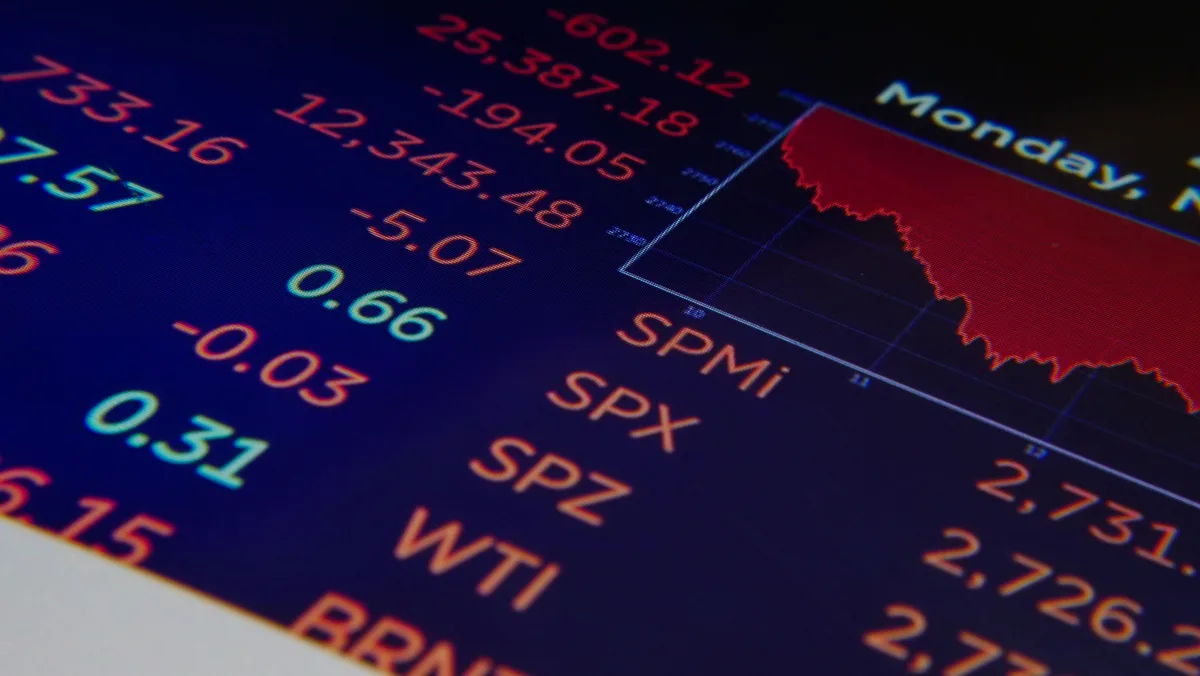
- The S&P 500 fell about 3.7 percent on Friday, November 20, 2026, to 6,910.39, its seventh straight down day and longest losing streak in more than five years, and it closed in a correction more than 10 percent below its October 6 record close of 7,818.93.
- The Dow Jones Industrial Average closed at 48,147.33, down 949.73 points, or about 1.9 percent, and also closed in correction, more than 10 percent below its August 5 record close of 54,349.12.
- The Nasdaq Composite fell about 5.3 percent, or 1,261.47 points, to 22,617.73, erasing its entire 2026 gain, turning modestly negative for the year, and sitting roughly 18 percent below its October 6 record.
- A deepening chip and AI selloff led the way, with Nvidia down about 14 percent after a Reuters report of an SEC accounting inquiry, Broadcom down about 12 percent on a report Google is trimming chip orders, AMD and Micron both down roughly 13 to 14 percent, and the Philadelphia Semiconductor Index down about 10.7 percent, or 1,011.13 points, to 8,408.59 from a previous close of 9,419.72.
- A correction is a label, not a prediction; it means a drop of 10 percent or more from a high, and most corrections do not become bear markets, which require a 20 percent fall.
- For the week the S&P 500 fell about 8.6 percent, its worst week since the spring 2025 selloff, and the Dow about 8 percent, its worst week since the March 2020 pandemic crash, while the Nasdaq Composite fell about 10 percent, roughly in line with the spring 2025 rout, and the tech heavy Nasdaq 100 fell about 10.4 percent, its worst week since March 2020; next week is holiday-shortened, with U.S. markets closed Thursday and an early close Friday.
The seventh time brought no relief. U.S. stocks fell sharply on Friday, November 20, 2026, and by the close the S&P 500 had dropped for a seventh straight session, something it had not done in more than five years. The broad index finished down about 3.7 percent, at 6,910.39, which left it more than 10 percent below its October 6 record close of 7,818.93 and squarely in what Wall Street calls a correction.
That turned the shakier intraday picture from Friday's earlier report into a clear and gloomy finish. The selling that had been concentrated in chipmakers spread across the whole tape, the Dow gave up its early resilience, and the Nasdaq Composite wiped out its entire gain for 2026, turning negative for the year.
Here is the scorecard, drawn from closing figures reported by CNBC, CNN, and Nasdaq index data. The S&P 500 fell about 3.7 percent, or 265.44 points, to 6,910.39, and closed in a correction, its first since spring 2025, when the March 2025 tariff shock last pushed it there. The Nasdaq Composite dropped about 5.3 percent, or 1,261.47 points, to 22,617.73, a steeper slide that erased its gain for the year and turned it modestly negative for 2026. It now sits roughly 18 percent below its October 6 record. The Dow Jones Industrial Average held up best in percentage terms, closing at 48,147.33, down 949.73 points, or about 1.9 percent, cushioned by healthcare and consumer staples names that sit outside the AI trade. Even so, the Dow also closed in correction, more than 10 percent below its August 5 record close of 54,349.12.
The path there is worth a note. The sharp intraday reversal that rattled traders, a firm open that melted into an ugly afternoon, had come a day earlier, on Thursday. Friday offered little of that false hope. Stocks were under pressure from the opening bell, and the losses only deepened into the final hour, as the AI and chip names that led the market higher all year kept rolling over.
What drove the drop
The engine was the same force that has powered the whole week, a deepening retreat from semiconductors and the AI winners that carried the market for most of 2026. Nvidia fell about 14 percent, closing near 125 dollars, after Reuters reported that the Securities and Exchange Commission is examining possible accounting questions at the company. The stock has shed roughly 2.7 trillion dollars in market value since its October peak. An inquiry like that is not a finding of wrongdoing, and many end with no action, but the headline landed on an already jittery market. The pain was broad. AMD fell about 13 percent and Micron about 14 percent, while Broadcom lost about 12 percent following a report that Google is trimming orders for Broadcom-designed AI chips. The Philadelphia Semiconductor Index, a basket of the biggest chip names, closed down about 10.7 percent, or 1,011.13 points, at 8,408.59, from a previous close of 9,419.72.
The week's marquee event did not steady anyone. Anthropic, the maker of the Claude assistant, was in its second day of public trading after pricing the largest IPO on record by money raised, at 83 dollars a share. The stock had jumped on its Thursday debut, closing near 97 dollars, but on Friday it fell about 8.5 percent, closing at 88.91 dollars. That left it still about 7.1 percent above its 83 dollar offering price, though it gave back a large chunk of its first-day pop. When the week's most hyped new listing cannot hold most of its opening gain, it says a lot about how little appetite there is for risk right now.
Underneath the day's headlines sits one nagging question. Investors are increasingly asking whether the hundreds of billions of dollars pouring into AI data centers and chips will earn a return that justifies the prices paid for these stocks. Reports of tighter limits on selling advanced chips to China, and worries about a slowdown in data center construction, only sharpened that doubt this week. The weakness reached well beyond American markets too, with overseas indexes also under pressure and Wall Street's fear gauge staying elevated far above its calmer readings from earlier in the autumn.
What a correction actually means
A correction is simply a drop of 10 percent or more from a recent high. It is a label, not a prediction. Corrections are common, and most of them do not turn into bear markets, which require a fall of 20 percent or more. The S&P 500 slipping into one for the first time since spring 2025 does not mean the bottom is in, and it does not mean more losses must follow. It just means the index has handed back a chunk of a very large run.
The arithmetic of digging out is worth understanding, because a loss and the gain needed to erase it are not mirror images. A 10 percent decline needs about an 11 percent gain to get back to even, and the math gets steeper from there. We walk through why in our guide to drawdowns and recovery math. The short version is that the deeper the hole, the more outsized the climb out has to be, which is the real argument against panic selling into a slide.
What it means if you own index funds
If your money sits in a total-market or S&P 500 index fund inside a 401(k) or IRA, this week trimmed your balance, and a seventh down day is no fun to look at. But the same concentration that is hurting now is part of why the index ran so far this year. A handful of AI and chip giants carry an outsized weight, so when they fall hard the whole index feels it, even though hundreds of other companies in healthcare, staples, and industrials held up far better on Friday.
For anyone still years away from needing the money, a correction is closer to a sale than a catastrophe. The tool below is not a forecast and not advice, just a way to see how steady monthly contributions can compound over time regardless of any single rough week. Move the sliders and watch the long arc rather than the daily tick.
What to watch next
Two things hang over the days ahead. The first is the Federal Reserve and the question of its next move, since the firm bond yields and strong dollar that have come with recent policy bets have also weighed on riskier corners of the market, a thread we pulled on in this week's look at gold's slide. The second is the calendar. Next week is short. U.S. markets are closed Thursday, November 26 for Thanksgiving and close early on Friday, November 27, so trading volume will be thin and moves can look larger than the news behind them.
None of this changes the basics. A correction is uncomfortable but ordinary. The indexes that fell this week are the same ones that set records a few weeks ago, and the companies inside them did not stop existing because their share prices dropped. For the week, the S&P 500 fell about 8.6 percent, its worst week since the spring 2025 selloff, and the Dow dropped about 8 percent, its worst week since the March 2020 pandemic crash. The Nasdaq Composite fell about 10 percent, roughly in line with that spring 2025 rout, while the tech heavy Nasdaq 100 fell about 10.4 percent, its worst week since March 2020. The mood heading into the holiday is tense. Whether Friday marks a washout low or just another step down is something only the next several sessions will answer.
Most investors cannot pass a basic money test. Can you?
The market charges tuition for every gap in your knowledge. The Financial IQ Test measures what you actually know across investing, banking, credit, and retirement, then shows you exactly which gaps to close before they get expensive.
Test your Financial IQQuestions people ask
Did the S&P 500 really fall for a seventh straight day?
Yes. Friday, November 20, 2026 marked the index's seventh consecutive losing session, with the S&P 500 down about 3.7 percent on the day, closing at 6,910.39. Reporting described it as the index's longest losing streak in more than five years, dating back to early 2020 when markets began bracing for the pandemic.
What does it mean that stocks are in a correction?
A correction is a decline of 10 percent or more from a recent high. The S&P 500 ended Friday more than 10 percent below its October 6 record close of 7,818.93, and the Dow closed more than 10 percent below its August 5 record of 54,349.12, so both met the definition. It is a descriptive label, not a forecast, and most corrections do not deepen into a bear market, which is a 20 percent drop.
Why did the Nasdaq fall so much more than the Dow?
The Nasdaq is heavily weighted toward technology and AI-related names, which were the epicenter of the selloff. The Dow has more exposure to healthcare, consumer staples, and industrials, which held up better on Friday, so it fell about 1.9 percent to 48,147.33 while the Nasdaq Composite dropped about 5.3 percent to 22,617.73.
What happened with Anthropic's stock?
Anthropic, the maker of the Claude assistant, priced the largest IPO on record by money raised at 83 dollars a share and jumped on its Thursday debut to close near 97 dollars. On Friday, its second day of trading, the stock fell about 8.5 percent to close at 88.91 dollars. That left it still about 7.1 percent above its 83 dollar offering price, but it gave back a large chunk of its first-day gain, a sign of how cautious investors had turned toward new AI listings.
Should a long-term index fund investor do anything?
This article is general information, not personal advice. Historically, corrections are a normal part of investing, and the math of recovering from a loss is one reason many long-term savers avoid selling into a slide. What fits your situation depends on your timeline, goals, and risk tolerance, and a fiduciary advisor can help you weigh them.
Are U.S. markets open next week?
Next week is holiday-shortened. U.S. stock markets are closed Thursday, November 26 for Thanksgiving and close early on Friday, November 27. Volume tends to be light around the holiday, which can exaggerate price moves relative to the actual news.
Keep reading

How to Choose a Brokerage Account in 2026: A Practical Guide
Dividend Investing for Beginners: Income You Can Actually See

Dollar-Cost Averaging: The Math, the Myths, and When It Wins
The Flourish Letter
One smart money idea each week, charts included. Join free and get the printable 2026 Money Calendar in your welcome email.