Stocks Tumbled Thursday as the Dow Shed About 1,100 Points and Anthropic's Record IPO Faded From Its Open; the S&P 500 Fell a Sixth Straight Day
Key takeaways
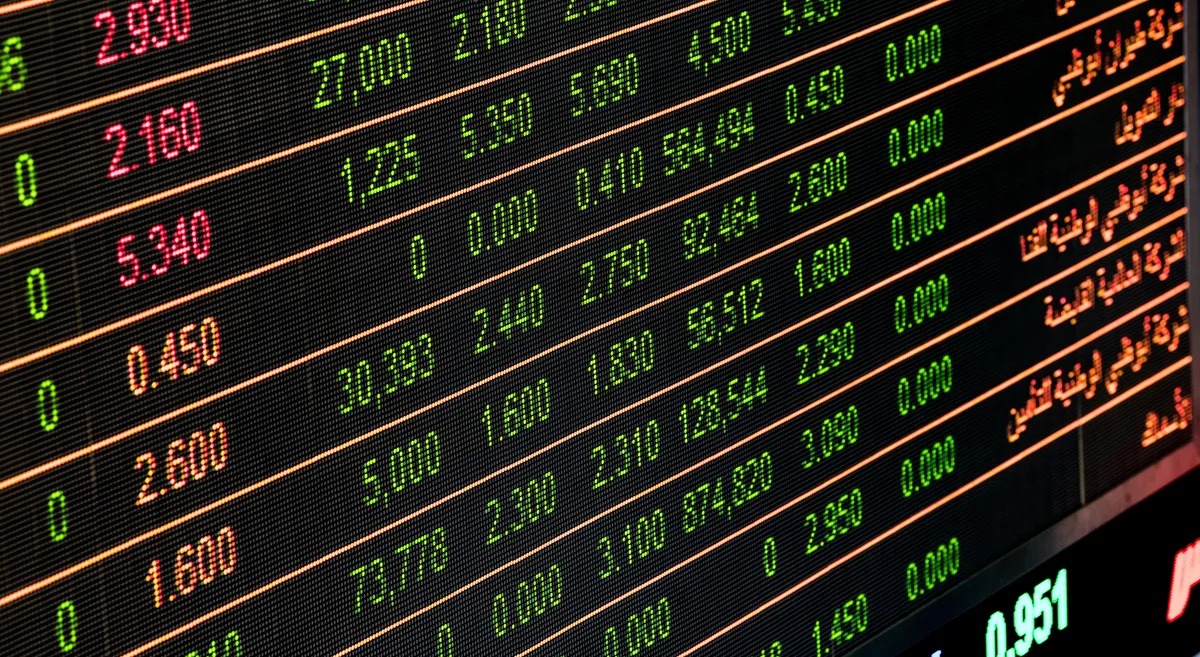
- Stocks fell hard Thursday, with the Dow down about 1,100 points (2.19 percent), the S&P 500 off 2.02 percent to 7,175.89, and the Nasdaq down 2.25 percent. It was the S&P 500's sixth straight losing day.
- Anthropic priced its record IPO at $83, above its marketed $70 to $78 range, opened near $111.50 (about 34 percent higher), then faded to close around $97.17, still up roughly 17 percent from the offer but about 13 percent below the open.
- The open-market pop is not money the company kept; it is what the first public buyers paid, and much of that premium disappeared during the session.
- The broad selloff was not one story: a rotation into Anthropic, a roughly 7.72 percent drop in AMD on a short-seller report (with a steeper intraday low of about 11 percent), Nvidia slipping about 3.30 percent, and continued weakness in health care all stacked up.
- A Fed leaning toward a December rate hike, with the 10-year yield near 5 percent, is a particular headwind for long-dated growth stocks like newly public AI names.
- For index-fund owners, one bad session does not change what the fund holds; the arithmetic of drawdowns is a reminder to avoid overreacting in either direction.
For weeks the market had treated Anthropic's stock market debut as the big test for the whole artificial intelligence trade. On Thursday the test arrived, and the answer was messy. The maker of the Claude chatbot opened well above its offer price, then slid for the rest of the session, and the broad market fell hard around it. By the closing bell all three major indexes were down roughly 2 percent.
The Dow Jones Industrial Average finished at 49,097.77, a loss of 1,100.40 points, or about 2.19 percent. The S&P 500 closed at 7,175.89, down 147.74 points, or roughly 2.02 percent. The Nasdaq Composite ended at 23,879.20, off 550.69 points, or about 2.25 percent, according to market data compiled by Yahoo Finance's live coverage. For the S&P 500 it was the sixth straight losing day, extending the longest slide the index has seen in months.
The IPO that priced the night before
Anthropic priced its initial public offering at $83 a share after Wednesday's close, which was above its marketed range of $70 to $78, in what has been described as the largest stock market debut on record. When the shares finally opened for trading Thursday, they jumped to about $111.50, roughly 34 percent above the offer price. That early pop is the headline most people saw first.
The pop did not last. The stock faded through the session and closed near $97.17, still up about 17 percent from the $83 offer but roughly 13 percent below where it opened, per CBS News and Forbes. For anyone who bought at the offer price, that is a solid first day. For anyone who chased the stock at the open, it was a quick and painful round trip.
It is worth being clear about what those numbers mean. The $83 offer price is what Anthropic and its underwriters set, and it is the price paid by investors allocated shares in the offering, including participating retail investors. The opening print of roughly $111.50 is simply where buyers and sellers first met once the shares hit the open market. The gap between the two is not profit that landed in the company's pocket; it is the premium the first public buyers were willing to pay, and on Thursday a lot of that premium evaporated over the course of the day.
Why the rest of the market fell at the same time
A single IPO, even a record-setting one, does not usually knock a thousand points off the Dow. Two things were happening underneath the headline.
The first was a rotation. Reporting from the session suggested some investors sold other holdings, especially other AI-linked names, to raise cash for Anthropic shares. When a crowd sells the same corner of the market at once to fund one trade, it can push prices down across the group even on a day with no bad news attached to those companies.
The second was weakness that had nothing to do with Anthropic. Chip stocks slid broadly. Advanced Micro Devices closed down about 7.72 percent after a short-seller report raised questions about its exposure to China, having fallen as much as roughly 11 percent at its intraday low before recovering some of the drop, and Nvidia slipped again, down about 3.30 percent, according to CNBC and Yahoo Finance. Health care stayed under pressure too, with UnitedHealth Group down about 5 percent and extending a steep multi-day decline. So the selling was not one story. It was an IPO fade, a chip wobble, and a continued health care slide stacked on top of each other.
The rate backdrop nobody forgot
All of this played out against a Federal Reserve that is still leaning the opposite way from most of the past few years. Instead of debating rate cuts, markets are now pricing in a rate hike at the December 8 to 9 meeting. Futures-based odds have pointed to a high probability of a quarter-point increase, with a small but real slice betting on a larger half-point move, per the summary in recent Fed coverage and the minutes of the last meeting. Governor Christopher Waller has publicly argued the Fed may need to move more aggressively if inflation keeps drifting the wrong way.
That matters for stocks like Anthropic more than almost any others. A company valued mostly on profits expected many years out is worth less today when interest rates are higher, because future dollars get discounted harder. A Fed signaling more hikes, not fewer, is a headwind for exactly the long-dated growth stories that led the market up. The 10-year Treasury yield has been hovering near the 5 percent mark, a level that quietly raises the bar for every risky asset to clear.
What a day like this does and does not mean
A 2 percent down day feels dramatic when it happens, and six losing sessions in a row feels worse, even though those six days were declines of varying sizes rather than six matching 2 percent drops. It is fair to feel it. It is also worth keeping the arithmetic of losses in view, because drops and recoveries are not symmetric in percentage terms. A portfolio that falls 10 percent needs to rise about 11 percent just to get back to even, and the required bounce widens as losses deepen. We walked through why in our explainer on drawdowns and recovery math, and it is one reason avoiding the deepest losses tends to matter more than squeezing out the last bit of gain.
That same math is a reminder not to overreact in either direction. One roaring IPO open does not prove the AI trade is healthy, and one ugly fade does not prove it is broken. If you own a total-market or S&P 500 index fund, Thursday nicked your balance, but your fund did not suddenly change what it owns. The companies inside it are the same ones that were there Wednesday. For the longer view on why a new name hitting the public market changes less for ordinary investors than the headlines imply, our piece on what the Anthropic IPO means for regular investors lays out the mechanics.
A few plain takeaways for the weekend
First, a brand-new stock is often the most volatile thing on the board in its early days, because there is no trading history and the float of available shares can be thin. The swing from a 34 percent gain at the open to about a 17 percent gain at the close is a textbook example, not an anomaly.
Second, chasing an opening pop is how a lot of people turn a good IPO into a bad personal result. The offer-price buyers did fine. Many open-market buyers did not.
Third, the rate story is still the quiet engine under the market. As long as the Fed is talking about hiking into inflation rather than cushioning growth, high-flying growth names carry extra risk, and days like Thursday will keep showing up.
None of this is a recommendation to buy or sell anything. It is a snapshot of one trading day and the forces behind it. Markets reopen Friday, and the data calendar fills in quickly from there. The nearest scheduled readings investors will watch are the final November consumer sentiment report on November 20 and the flash purchasing managers' surveys on November 23. A larger inflation release is coming up as well: the October Personal Income and Outlays report, which carries the PCE inflation reading the Fed watches most closely, is due November 25. An upcoming November employment report follows on December 4, and all of those land ahead of the Fed's December 8 to 9 meeting. Until then, the most useful thing most long-term savers can do is the least dramatic: keep contributions steady, keep near-term cash out of stocks, and let the arithmetic of time do the work that a single session never can.
Most investors cannot pass a basic money test. Can you?
The market charges tuition for every gap in your knowledge. The Financial IQ Test measures what you actually know across investing, banking, credit, and retirement, then shows you exactly which gaps to close before they get expensive.
Test your Financial IQQuestions people ask
Did Anthropic's IPO lose money for investors?
It depends on when you got in. Buyers who were allocated shares at the $83 offer price, including participating retail investors, were up about 17 percent at Thursday's close near $97.17. Buyers who bought in the open market near the $111.50 opening print were down sharply by the close, roughly 13 percent below the open. The offer price and the first open-market price are two different things, and the gap between them narrowed over the day.
Why did the whole market drop if it was just one IPO?
A single IPO rarely moves the Dow by itself. Thursday had several things at once: some investors appear to have sold other holdings, especially AI-linked names, to buy Anthropic; AMD closed down about 7.72 percent on a short-seller report about China exposure, after falling as much as roughly 11 percent intraday; Nvidia slipped about 3.30 percent; and health care stayed weak, with UnitedHealth down around 5 percent. Those pressures stacked on top of each other.
What is the sixth straight down day for the S&P 500 about?
The S&P 500 closed lower for the sixth consecutive session Thursday, extending its longest losing streak in months. Those six days were declines of varying sizes, not six identical drops. Streaks like this usually reflect a shift in mood rather than a single piece of news, and here the mood has been shaped by inflation worry and a Federal Reserve signaling it may raise rates in December.
Is the Federal Reserve really expected to raise rates, not cut them?
Based on the latest meeting minutes and public comments from officials, markets have been pricing in a high probability of a quarter-point rate hike at the December 8 to 9 meeting, with a smaller chance of a half-point move. That is the opposite of the rate cuts markets spent much of the prior period expecting, and it tends to weigh on high-growth stocks. Ahead of that meeting, investors get the final November consumer sentiment report on November 20, flash PMIs on November 23, the October Personal Income and Outlays report with its PCE inflation reading on November 25, and a November employment report on December 4.
Should I sell my index funds after a day like this?
This article does not give buy or sell advice. Whether selling after a decline actually locks in a loss depends on your cost basis, meaning what you originally paid. A drop from a recent high is not the same as a loss on your purchase; a holding can slip well off its peak and still sit above what you paid for it. What selling does do is turn a paper move into a realized one and give up any chance to participate if prices recover, and because recoveries require a larger percentage gain than the drop that came before, that trade-off can matter. For money you will not need for years, many long-term savers choose to keep contributions steady rather than react to a single session. What fits you depends on your own goals and timeline.
Why do brand-new stocks swing so much on day one?
A freshly public stock has no trading history, and the number of shares actually available to trade can be small at first. That combination can produce big price swings in both directions, which is why a stock can open up 34 percent and still close well off that high, as Anthropic did Thursday.
Keep reading

How to Choose a Brokerage Account in 2026: A Practical Guide
Dividend Investing for Beginners: Income You Can Actually See
Dollar-Cost Averaging: The Math, the Myths, and When It Wins
The Flourish Letter
One smart money idea each week, charts included. Join free and get the printable 2026 Money Calendar in your welcome email.