How to Become a Freelance Video Editor in 2026
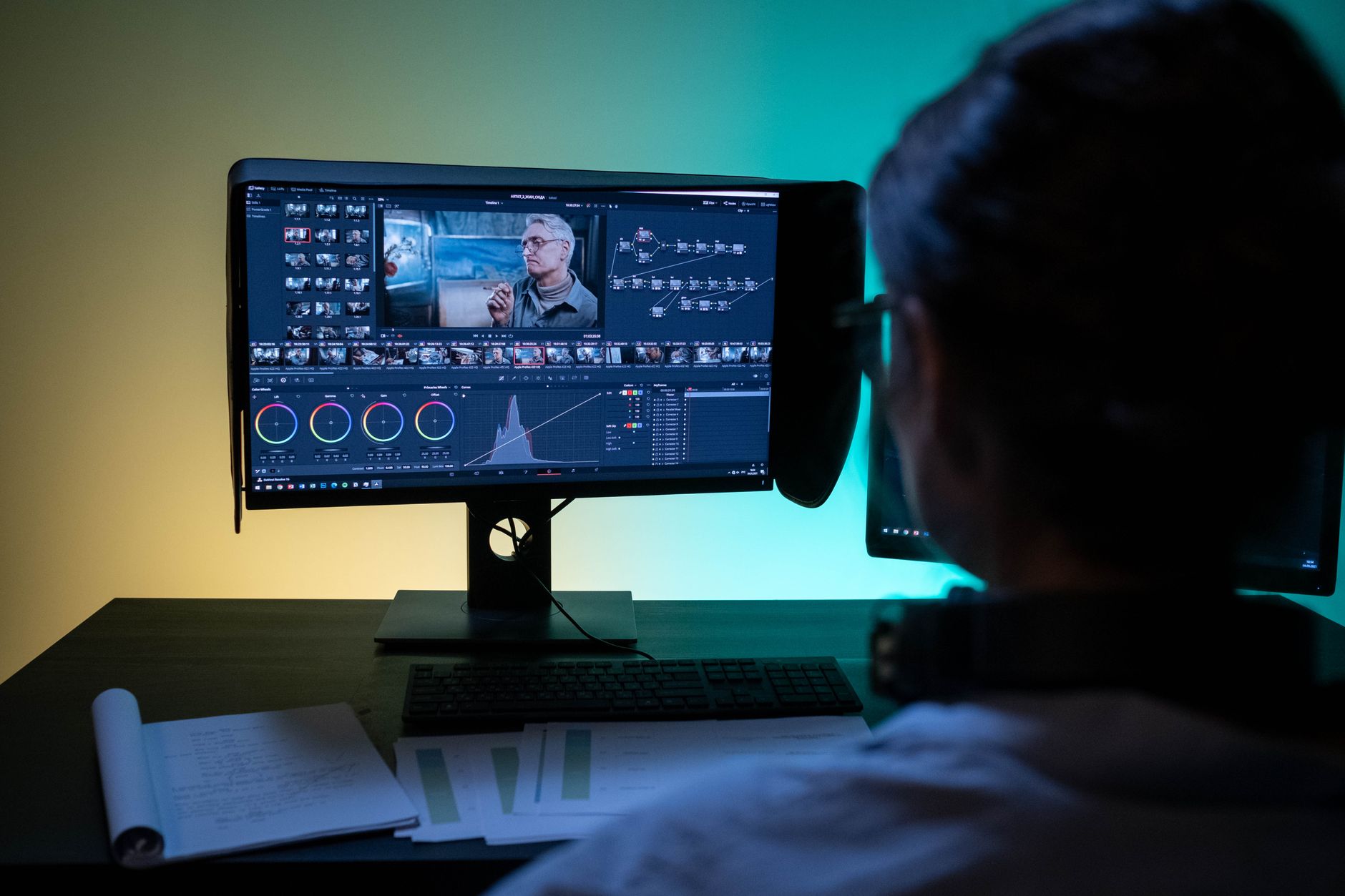
Key takeaways
- Clients hire editors who solve a clear content problem, not people who only list software logos on a resume.
- A focused starter kit can cost under $1,500 if you already own a solid computer, and you can upgrade after paid work.
- Three to six niche-specific portfolio pieces are enough to start pitching if they show pacing, sound, and storytelling judgment.
- Direct outreach and referrals usually pay better long term than living only on crowded freelance marketplaces.
- Project fees and retainers scale better than ultra-low hourly gigs once you know your speed and scope.
- Set aside about 25 to 30 percent of every payment for income tax and self-employment tax so April is not a crisis.
Video is the default language of the internet in 2026. Brands need short ads, founders need talking-head explainers, creators need weekly uploads, and local businesses need Reels that do not look like a phone camera afterthought. Somewhere in that pile is a freelance video editor who gets paid to make footage feel intentional. If you can cut with taste, clean sound, and a deadline habit, you can turn that skill into a real service business. This guide is education for people who want a practical path, not a get-rich story.
You will learn what freelance editors actually sell, which skills move the needle, how to start on a budget, how to build a portfolio without prior clients, where work comes from, how to price without living on crumbs, and how to handle taxes and contracts like an adult. Expect a ramp, not a lottery ticket. The people who last treat editing as craft and freelancing as a small business that happens to sell timelines.
What Freelance Video Editors Actually Sell
Clients do not buy software proficiency. They buy outcomes. A restaurant wants a 30-second promo that fills tables on a slow Tuesday. A coach wants a weekly YouTube video that holds attention past the first 15 seconds. A SaaS team wants product demos that make a feature feel simple. Your job is to translate raw clips into a finished story that matches the brand and the platform.
Common freelance deliverables include:
- Short-form social cuts for TikTok, Instagram Reels, YouTube Shorts, and LinkedIn clips
- YouTube and long-form edits with pacing, B-roll, lower thirds, and chapter-friendly structure
- Ads and product promos for paid social, landing pages, and sales funnels
- Event and wedding highlight reels with music-driven storytelling
- Corporate training and internal communications that stay clear and professional
- Podcast video, webinar edits, and multi-cam talk formats
- Captioning, color, sound cleanup, and repurposing of one master video into many clips
The Bureau of Labor Statistics tracks film and video editors as an established media occupation with ongoing demand tied to production and digital content. That does not mean every new freelancer is booked tomorrow. It does mean the work exists when you show proof and show up on time.
Skills Clients Will Actually Pay For
Software is the easy part of the conversation. Judgment is the hard part. Learn one primary non-linear editor deeply, then add supporting tools as work requires them. Many freelancers build around a main timeline tool plus audio cleanup, motion graphics basics, and a captioning workflow. Switching apps every month is a hobby. Shipping clean exports is a business.
Craft skills that raise your rate:
- Story structure and pacing. Know when to cut, when to hold, and how to open with a hook.
- Sound first. Viewers forgive average color longer than they forgive bad audio. Learn noise reduction, leveling, and music ducking.
- Captions and accessibility. On-brand captions are now table stakes for social and ads.
- Basic color and consistency. Matching shots so a video feels like one world.
- Motion graphics light. Lower thirds, simple transitions, and templateable brand elements.
- Client communication. Translating feedback like "make it pop" into a plan with two revision options.
Soft skills matter as much as keyframes. Reply fast. Confirm scope in writing. Ask for brand assets before you start. Deliver a rough cut on schedule even when the first version is not perfect. Editors who disappear for a week while they "polish" lose clients to good-enough pros who communicate.
AI tools in 2026 can speed transcription, rough assembly, silence removal, and caption drafts. Use them. Do not hide behind them. Clients still pay you to decide what stays, what goes, and what feels on brand. Unedited machine cuts are easy to spot and easy to replace. Your edge is taste plus reliability.
Equipment and Software on a Real Budget
You do not need a cinema suite to start. You need a computer that can scrub footage without melting, reliable storage with a backup plan, decent monitoring for sound and color, and legal software. Buy for the work you can win this quarter, not the dream studio in your head.
A practical starter stack many freelancers use:
- Computer. Enough RAM and storage for 4K timelines if that is your market. Older machines can still work for 1080p social if you optimize proxies.
- External SSD plus a backup drive. One working drive and one backup is the minimum adult setup. Cloud backup is a smart second layer for client masters.
- Headphones first, speakers later. Closed-back headphones catch hiss, pops, and music that is too loud under dialogue.
- Color-aware display if possible. Even a modest calibrated monitor beats editing only on a washed-out laptop screen for client work.
- Editing software subscription or one-time license that matches your niche. Free tools can work for learning and early gigs. Paid tools often become worth it once clients pay.
- Music and stock libraries with commercial licenses. Never guess on rights for client ads.
Upgrade path: win paid work, then buy the tool that removes the biggest bottleneck. If exports take forever, prioritize machine and storage. If clients hate your audio, prioritize monitoring and learning sound. Spending $2,000 on gear before you have a reel is a common stall, not a strategy.
Build a Portfolio When You Have Zero Clients
This is the wall every beginner hits. Clients want a reel. You want clients. The answer is intentional samples that look like paid work. Spec pieces, personal projects, and carefully chosen free or low-cost work for a real local business all count if they show the outcomes you want to sell.
A starter portfolio that actually works:
- One 45 to 90 second social promo for a fictional or real small business in your target niche.
- One longer YouTube-style cut with pacing, B-roll, and captions.
- One ad-style cut under 30 seconds with a clear hook and call to action.
- One talking-head cleanup that shows audio and visual polish from messy source.
- Optional: a before-and-after pair so non-editors can see the transformation instantly.
Host a simple site or a clean portfolio page with a short about blurb, your niche, and a clear contact path. Your reel should open with your strongest three seconds. Busy founders will not sit through a two-minute slow build of student film experiments. Label concept work honestly if needed, but make the craft undeniable.
Pick a niche early enough that samples match. Wedding reels do not sell SaaS demos. Fitness short-form does not sell legal explainers. You can expand later. Right now, a focused five-clip set beats a random grab bag.
Where Freelance Video Editing Clients Come From
In the beginning, treat client acquisition like a part-time job. Waiting for the algorithm to make you famous is not a plan.
Freelance platforms and job boards
Marketplaces are useful for early cash and reviews. Write proposals that name the client problem, not a biography of every app you own. Price carefully. Platform fees and race-to-the-bottom bids can train you to undervalue your work. Use them as a ramp, not a permanent home, unless you intentionally build a high-volume model.
Direct outreach that is not spam
Find businesses whose video is missing, inconsistent, or clearly rushed. Send a short note that names one specific improvement, links one relevant sample, and offers a small first project. Ten thoughtful messages beat fifty generic blasts. Local gyms, realtors, dentists, coaches, e-commerce brands, and agencies that need overflow editing are all fair game depending on your niche.
Agencies, creators, and production partners
Marketing agencies, social media managers, photographers, and full-time creators often need reliable editors more than they need another generalist hire. One strong partner relationship can feed months of work. Deliver clean project files, hit deadlines, and make their life easier. Then ask for introductions when results are good.
Content and community
Post short process clips, before-afters, and finished work on LinkedIn and the platforms your buyers use. This channel is slower early and powerful later. Do not abandon outreach while you wait for inbound to warm up.
Pricing Without Leaving Money on the Table
New editors undercharge for two reasons. They are nervous, and they price the clicks instead of the finished asset. A 60-second ad is not "an hour of cutting" if it took research, music licensing, captions, three client rounds, and export versions for three platforms.
Common pricing models:
- Per project. Best default for defined deliverables. Quote after you see footage and requirements.
- Per video package. Example: four short-form videos per month at a fixed fee.
- Retainer. Ongoing weekly or monthly content for a stable fee. This is the stability prize for many freelancers.
- Hourly. Fine for open-ended consulting or unclear scope, weaker as a permanent default.
- Day rates. Common in production-adjacent work when you are booked for dense sessions.
Education ranges, not guarantees: beginner social cuts might land from roughly $75 to a few hundred each depending on complexity and market. Longer YouTube edits can run from a few hundred dollars into the low thousands. Ad packages and brand work often price higher when research, motion, and multiple versions are included. Specialists with proof in a lucrative niche can charge more. Your path depends on samples, speed, and who you serve.
A workable quoting process:
- Define deliverables, runtime targets, revision rounds, and file formats in writing.
- Estimate total hours honestly, including download, organization, revisions, and uploads.
- Multiply by the hourly floor you need after taxes and unpaid admin time.
- Quote a project fee with a deposit, commonly 30 to 50 percent before work starts.
- Price extras like rush delivery, extra revision rounds, and new versions beyond scope.
Raise rates on new clients as your calendar fills. Keep underpriced early work from becoming your permanent identity. When a request expands past the agreement, quote the addition instead of absorbing it quietly.
A Client Process That Makes You Look Senior
Reliability is a pricing power. A clean process makes you look senior even early on.
- Discovery. Clarify goal, audience, platforms, brand rules, must-include shots, and the single primary action.
- Intake. Collect footage, logos, fonts, music preferences, and reference links in one folder system.
- Rough cut. Share structure and pacing early so direction can change cheaply.
- Fine cut. Polish sound, captions, graphics, and color within the agreed scope.
- Revisions. Use included rounds. Track out-of-scope requests as paid additions.
- Handoff. Deliver final exports, archive project files per agreement, and invoice on schedule.
Use a simple written agreement covering scope, timeline, fee, deposit, revision limits, payment terms, and who owns final files after payment. You do not need a thirty-page legal novel for a small social package. You do need clarity. Deliver high-resolution finals after the final payment clears when that structure fits the job. Scope creep is the quiet killer of freelance profit. One polite sentence about paid additions protects both your income and your sanity.
Taxes, Legal Basics, and Money Systems
When a U.S. client pays you for editing, the IRS generally treats that as self-employment income in a beginner sole proprietor setup. That usually means Schedule C for profit or loss, income tax on net profit, and self-employment tax for Social Security and Medicare at about 15.3 percent on net earnings. Many freelancers set aside roughly 25 to 30 percent of each payment so quarterly estimates do not become a crisis.
If you expect to owe about $1,000 or more for the year, estimated quarterly taxes are usually part of the picture. Track income and expenses from day one. Common business cost categories can include software, storage, music licenses, education related to the business, hardware, and a qualified home office if you meet the rules. A first-year session with a tax professional often pays for itself.
Many freelancers start as sole proprietors and reassess structure as income grows. An LLC can offer liability separation and administrative benefits in some situations, but it is not required to invoice clients. The Small Business Administration has plain-language guidance on choosing a structure. Business choices depend on risk, state rules, and tax situation, so get professional guidance when revenue becomes material.
Set up boring infrastructure early: a separate business checking account if possible, a dedicated place for tax reserves such as a high-yield savings account, a simple invoice template, and a calendar that blocks deep edit time. Track every payment the day it arrives. Future you will thank present you in April.
Your First 90 Days, Week by Week
Days 1 to 14: Choose a niche and primary platform focus. Study ten strong examples in that niche. Install your tool stack and practice one full export pipeline from raw clips to captioned final. Write three portfolio pieces that match the formats you want to sell. Draft a one-page services blurb and a basic contract template.
Days 15 to 45: Publish a simple portfolio link. Apply to suitable jobs and send a small daily batch of personalized outreach. Tell friends, former coworkers, and local business owners exactly what you edit now. Track responses so your pitch improves. Land at least one paid or heavily discounted real-world project for a testimonial.
Days 46 to 75: Deliver with obsessive clarity. Collect testimonials and permission to show work. Build one package offer such as four short-form videos per month. Raise your quote slightly on the next new lead. Start a lightweight pipeline habit so marketing does not die when one project lands.
Days 76 to 90: Convert one client into ongoing work if possible. Clean the portfolio so paid work leads and samples follow. Review average effective hourly rate and stop accepting work that wrecks it. Automate the tax set-aside on every payment. Decide what gear upgrade, if any, paid work has earned.
By day ninety, success is not a perfect income number. Success is proof you can sell, deliver, invoice, and improve. Income follows that loop.
Common Pitfalls That Quietly Kill Momentum
Buying endless gear before samples. A reel wins work. A maxed credit card does not.
Staying a pure generalist forever. Scattered samples make you forgettable. Specialize enough that a prospect instantly sees their problem in your work.
Working for exposure and free forever. A short paid trial can be reasonable. Unlimited unpaid labor is not a business model. The Federal Trade Commission has long warned about deceptive work-from-home schemes that extract money or free labor from hopeful beginners. If someone asks you to pay them for the privilege of editing, walk away.
Ignoring audio. Pretty pictures with harsh dialogue lose trust and lose renewals.
No contract, no deposit, no revision limit. Friendly handshakes create expensive lessons.
Stopping outreach when busy. Feast-and-famine cycles start when marketing dies the moment a project lands.
Never raising rates. Beginner pricing is a temporary on-ramp, not a permanent identity.
Skipping taxes until April. Self-employment tax surprises end careers that were otherwise going fine.
When Freelance Editing Becomes a Real Business
At some point the work stops being odd gigs and starts looking like a practice. You have packages with clear scopes. You have one or two niches you understand deeply. You have templates for intake, feedback, and invoices. You can say no to bad-fit clients because better-fit work exists. That is the shift from hopeful freelancing to a durable service business.
Some editors later hire assistant cutters, sell templates, or specialize in high-ticket brand films. None of that is required. Plenty of solo freelancers earn strong full-time incomes with a handful of retainers and high-value project clients. The craft scales through reputation, speed, and pricing long before it needs a staff. What scales poorly is chaos: vague scope, missed deadlines, and rates that never move.
Final Perspective
Freelance video editing in 2026 rewards people who can turn messy footage into clear stories on a schedule. Tools will keep changing. The job remains: understand the goal, respect the viewer, and make the next cut feel obvious. Start with focused samples, pitch with specificity, deliver like a professional, set money aside for taxes, and raise your rates as proof accumulates. That is not a secret system. It is a craft business, and craft businesses still work when you treat them with seriousness. If you can make one real brand look sharper in under a minute of finished video, you already have the seed. The rest is repetition, feedback, and patience.
Side hustles add hundreds. The right career adds thousands.
Most income advice stops at gigs and stacking hours. The bigger move is matching your work to how your brain actually performs. RealWorldCareers measures your cognitive strengths and shows the careers your brain was built for.
Find the career your brain was built forQuestions people ask
Do I need film school to become a freelance video editor?
No. Clients care about reels, communication, and deadlines more than a diploma. Formal education can speed craft and networking, but self-taught editors win work every day with strong samples and reliable delivery. Treat school as optional training, not a gatekeeper.
How much does it cost to start freelancing as a video editor?
If you already have a capable computer, many people start for a few hundred dollars in software, storage, and headphones. A fuller starter kit with a better machine, backup drives, and monitoring gear can run from about $1,000 to several thousand. Keep overhead low until paid work funds upgrades.
How long until freelance editing can replace a salary?
Timelines vary widely. Some people land first paid projects within weeks of consistent pitching. Building steadier monthly income more often takes several months of samples, outreach, and on-time delivery. Plan a runway and treat early months as proof building rather than a fixed paycheck promise.
Should I charge hourly or by the project?
Per project pricing is usually better once you can estimate scope. It rewards speed and gives clients a clear number. Hourly can fit open-ended revisions or consulting, but pure hourly often punishes you as you get faster. Many editors use project fees for defined deliverables and retainers for ongoing content.
How do taxes work for freelance video editors in the U.S.?
Most beginners report profit on Schedule C and owe income tax plus self-employment tax for Social Security and Medicare, which is about 15.3 percent on net earnings. If you expect to owe about $1,000 or more for the year, quarterly estimated taxes usually apply. Track income and expenses from day one and set money aside on every payment.
Can AI tools replace freelance video editors?
AI can speed rough cuts, captions, and some cleanup, but clients still pay for taste, brand judgment, story structure, and human accountability. Treat AI as an assistant inside your process, not the product you sell. Editors who combine tools with clear creative direction stay valuable.
Keep reading

The 21 Best Side Hustles for 2026, Ranked by Real Pay

Freelancing in 2026: A Complete Guide to Your First $1,000 Month
How Regular People Are Making Money With AI in 2026
The Flourish Letter
One smart money idea each week, charts included. Join free and get the printable 2026 Money Calendar in your welcome email.