How to Start a Mobile Bartending Business in 2026
Key takeaways
- Most mobile bars run on the dry hire model, where the client buys and owns the alcohol and you sell bartending labor and equipment, which avoids the heavy liquor licensing that selling drinks would trigger.
- The U.S. Bureau of Labor Statistics reported a median bartender wage of $16.51 per hour, or $34,340 per year, in May 2025, and those estimates include tips but count only employees, not self-employed owners, so they describe a traditional job rather than what an independent operator earns.
- Client ownership of the alcohol does not by itself make an event legal; for each booking verify the host's permit needs, the venue's rules, any event permit, and the server certification required, since places like North Carolina can require a host's Limited Special Occasion Permit for spirits on business premises.
- Liquor liability coverage is essential even in dry hire, and it can be bought standalone or added to general liability by endorsement; it is civil coverage that may respond to civil claims subject to exclusions, but it does not pay criminal penalties or typically cover knowingly unlawful service.
- Published startup ranges often fall between roughly $3,000 and $10,000, with insurance and the bar itself as the biggest line items, making this a low-overhead business you can grow by reinvesting early income.
- Larger bookings pay more per on-site hour and wear you out less, but a full calendar of small events can still bring in more total dollars, and the gap between your fee and direct event costs is not take-home profit until overhead and your own labor are subtracted.
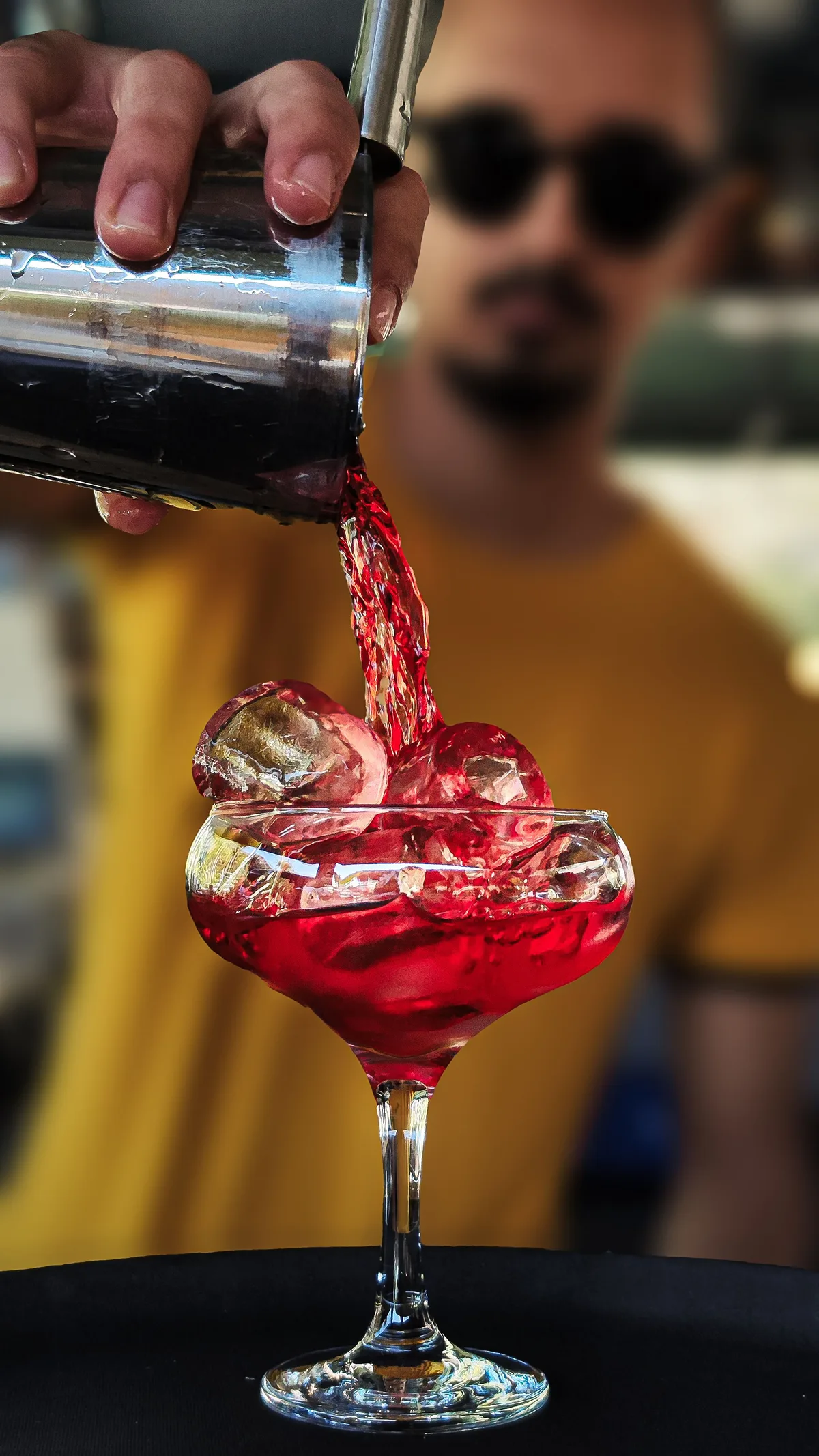
Picture a backyard wedding at golden hour. There is a handsome little bar cart under string lights, a friendly person shaking cocktails to order, and a line of guests who are genuinely happy to be there. That setup is a business. A mobile bartending company brings the bar, the tools, the garnishes, and the hospitality to someone else's event, and it has become one of the more approachable service businesses you can start without a storefront or a huge pile of cash.
The appeal is easy to understand. You work weekends, you meet people on the best day of their lives, and the gear fits in a car. The catch is that alcohol is one of the most heavily regulated things you can touch in the United States, so the rules matter more here than in almost any other side business. This guide walks through how the model actually works, what it tends to cost, how operators price their time, and the legal pieces you cannot skip. Think of it as a friendly orientation, not legal advice, because the specifics change at the state and county line.
What a mobile bartending business really is
Most people picture a traveling liquor store. That is almost never what these businesses are. The dominant and safest model is called "dry hire," and the distinction is the single most important thing to understand before you spend a dollar.
Under dry hire, your client buys and owns all the alcohol. You show up with the bar, the shakers, the mixers, the ice, the cups, and your skills, and you pour what the host already purchased. Because no sale of alcohol ever happens, you are selling labor and equipment, not booze. The alternative, often called "wet hire" or full service, means you supply and sell the drinks. That version triggers real liquor licensing and is far harder to pull off legally for a mobile operator, which is why the vast majority of new mobile bars run dry hire.
Here is a way to keep the basic distinction straight. If the receipt for the vodka has your client's name on it, you are providing labor and equipment rather than selling alcohol. If it has your name on it and you mark it up for guests, you are selling alcohol and you need the heavy permits. But do not mistake client ownership for a green light. Who bought the bottle is only one piece of the puzzle. Whether an event is actually legal also depends on the host, the venue, the event itself, and who is allowed to pour. North Carolina is a good example. Even when a host brings their own spirits onto a business's premises for a party, the host may need a Limited Special Occasion Permit from the state ABC to do it legally. So the honest rule is to verify four things for every booking: what the host needs, what the venue requires, whether the event itself needs a permit, and what certification the person serving must hold. More on how to check all of that below.
The pay numbers above come from the Bureau of Labor Statistics, and they describe bartenders who work as employees. Two things are worth knowing about how that figure is built. First, it does not count self-employed people, so it is not a measure of what independent operators take home. Second, contrary to a common belief, the BLS wage estimates do include tips, so this reflects reported pay for tipped employees rather than base wages alone. The number is a useful sense of what the skill pays in a traditional job. It is not a floor, a ceiling, or a guarantee for a business owner, whose income depends entirely on bookings, pricing, costs, and how many events they can realistically work. As a mobile bar owner you charge for an event rather than an hourly shift, which is a different model altogether.
Dry hire versus wet hire at a glance
The two models are not just a pricing choice. They put you in completely different regulatory worlds. The table below lays out the practical differences so you can decide where to start. Almost everyone should start with dry hire and only consider wet hire later, once they understand their state's rules cold.
One detail trips up a lot of beginners. Even under dry hire, where you never sell a drop, you can still be held partly responsible if an intoxicated guest causes harm. Courts in many states have treated the person pouring the drink as responsible for over service or for serving a minor, regardless of who bought the bottle. That legal reality, often tied to what are called dram shop laws, is exactly why insurance is not optional and why your paperwork needs to be clean.
The steps to launch
There is a sensible order to all of this. Rushing to buy a beautiful bar cart before you understand your state's permit picture is a classic rookie move. Here is the sequence most compliant operators follow.
A few notes on those steps. Your business entity does not have to be fancy. Many owners form a limited liability company, or LLC, because it separates personal and business assets, and the filing fee is usually modest. The U.S. Small Business Administration has free, plain language explainers on choosing a structure and registering, and it is a good neutral starting point before you pay anyone for help.
Responsible beverage service training is worth calling out. Some states require it, many insurers require it, and almost every serious venue will ask for it. In Texas, for example, the state's seller-server certification is technically voluntary under state law, yet nearly every employer and insurer expects it anyway, and it costs only about ten to fifteen dollars and lasts two years, according to published Texas guidance. That is one of the cheapest forms of professional credibility you can buy.
What it costs to start
This is where mobile bartending shines compared to most food and drink businesses. You are not building a kitchen or signing a lease. Published startup ranges for new mobile bars tend to land somewhere between a few thousand dollars and roughly ten thousand, depending heavily on how fancy your bar is and whether your state charges for a permit at all.
To make that concrete, one North Carolina breakdown put a typical launch at roughly $3,000 to $10,000, including an LLC filing fee around $125, insurance of about $500 to $1,500 per year, a professional portable bar anywhere from $700 to $5,000, basic bar tools, and a state Mobile Bar Services Permit of about $500 for operators who supply alcohol. Your state will differ, sometimes a lot, but the shape of the budget is similar: a little for paperwork, a meaningful chunk for insurance, and the rest for the bar itself and tools.
You can absolutely start lean. A clean folding bar, a solid set of tools, a cooler, and good insurance will get you to your first booking. The pretty copper-topped cart can wait until the deposits are rolling in. If the startup number feels intimidating, treat it like any savings goal and build toward it over a few months. The calculator below is a simple, hypothetical way to see how steady monthly saving gets you to a target.
Reinvesting your first few paychecks is the fastest path to better gear. Many owners deliberately run their first season on borrowed or basic equipment, then upgrade with event income rather than debt. That discipline keeps the business cash-positive from the start, which is the whole point of picking a low-overhead model.
How mobile bars actually make money
Because you are not selling alcohol in the dry hire model, your revenue comes from packages. Operators typically price by event, factoring in guest count, hours of service, number of bartenders, travel, and the complexity of the drink menu. A two hour cocktail hour for forty guests is a very different job than a six hour wedding for two hundred with a custom signature drink list.
The example below is a hypothetical only, built to show how the pieces fit, not a promise of what you will earn. It walks through three fictional event sizes and separates the service fee the client pays from the owner's out-of-pocket costs for that event, so you can see how the money scales as bookings get bigger.
Notice the pattern in that illustration, and notice its limits. Your fixed effort, loading the car, driving, setting up, and breaking down, barely changes between a small party and a large one, while the fee scales with guest count and hours. In this hypothetical the gap between the fee and the direct event costs works out to $330 on the small party, $680 on the mid wedding, and $1,260 on the large wedding. Spread over the service hours, that is roughly $165, $170, and $210 per hour on site, so each hour you work tends to be worth a little more at a bigger event. That per-hour efficiency, along with a lighter overall workload, is the real draw of large bookings. It is not that a couple of big events beat a full calendar of small ones in total dollars. In this same example, two large weddings would leave about $2,520 before overhead, while twelve small parties would leave about $3,960. So the honest point is that large events pay more for each hour and each trip, not that a few of them out-earn many small ones. And one more caution: these gaps are not take-home profit. They do not subtract your overhead, insurance, marketing, or the value of your own labor, all of which come out before anything reaches your pocket.
Tips can be a real layer on top of your package fee, but handle them carefully, because not every gratuity is treated the same way under the law. A service gratuity written into your contract as payment for your labor is generally straightforward. A cash tip jar sitting next to the drinks is a different animal, and it can create a problem you did not expect. Texas is the clearest warning. The Texas Alcoholic Beverage Commission has indicated that if a tip jar or donation box sits beside otherwise free alcohol and guests are expected to contribute, the drinks are no longer considered free, and the arrangement can count as a sale that requires a permit. In other words, money collected in connection with the alcohol can look like selling it, even when you believed you were giving it away. So keep the two ideas clearly separate: a contracted gratuity for bartending service is one thing, and payments tied to the alcohol itself are another. Before you rely on a tip jar at any event, confirm what your specific state and county allow, and build your pricing so the business is healthy on the package fee alone rather than on tips.
Insurance is the part you cannot skip
If you remember one thing from this guide, make it this: do not serve without liquor liability coverage in place. Two kinds of protection matter for a mobile bar, and it helps to understand how they fit together rather than to memorize a rigid rule.
General liability covers ordinary business mishaps, like a guest tripping over a cord or a broken glass causing an injury. On its own, a standard general liability policy usually excludes alcohol-related claims, and that gap is what gets mobile bartenders in trouble. The fix is liquor liability coverage, sometimes called dram shop insurance, which is designed to respond when an intoxicated guest causes harm and the blame lands on whoever poured. You do not necessarily need two entirely separate policies to get there. Many insurers will add liquor liability to a general liability policy by endorsement, while others sell it as a standalone policy. Either structure can work. What matters is that the liquor liability piece is actually in force, because the risk follows the person serving even in a dry hire where the client bought every bottle.
Venues understand this risk well. Many require proof of liquor liability coverage, often at a one million dollar per occurrence level, before they will let you set up, even in states that do not legally mandate it. Insurance requirements can also come from state or local authorities depending on the specific license or event, so ask your insurer and the relevant agency what applies to your situation rather than assuming a single national standard.
It is also worth being precise about what insurance does and does not do, because this is widely misunderstood. Liquor liability is civil coverage. It is built to respond to civil claims, including some claims that arise from unlawful alcohol service, subject to the exclusions written into your particular policy. What it is not is a shield against criminal penalties. If the state fines you or pulls a permit for breaking alcohol law, that is a separate matter from a civil lawsuit, and insurance does not pay your fines or stand in for a legal penalty. Policies also commonly exclude intentional or knowingly unlawful conduct, so deliberately serving a minor or an obviously intoxicated guest can leave you exposed even on the civil side. The practical takeaway is simple: carry the coverage, read your exclusions closely, and follow the law so you never have to find out where your policy stops.
The reassuring news is that this coverage is widely available and reasonably priced for a weekend operator, frequently inside that $500 to $1,500 annual range cited earlier. Compared to the cost of a single alcohol-related claim, it is some of the best money you will spend.
Checking your state's rules without getting lost
Alcohol rules are set state by state, and sometimes county by county, so there is no single national checklist. A few real examples show how wide the range is. In Texas, there is no mobile-only liquor license at all, and if your client buys the alcohol you can generally operate with no state alcohol permit for the service itself; selling alcohol, by contrast, requires an expensive Mixed Beverage Permit anchored to a permanent commercial address, which is impractical for most mobile operators. Michigan has no license for mobile bartending at private events, but a true wet hire catering permit there requires you to already hold a retail liquor license and a food service license. Pennsylvania blocks mobile bars from supplying the alcohol themselves, so the labor-only model is your path. North Carolina, meanwhile, offers a specific Mobile Bar Services Permit for operators who do supply alcohol, and when that permit is used the host does not separately need a Limited Special Occasion Permit.
The takeaway is not to memorize any one state, since these rules change. The takeaway is the method: go directly to your state's Alcohol Beverage Control agency, confirm whether your intended model needs a permit, and verify local business license and health rules with your city or county. Doing this first, before buying gear, is what separates a business that lasts from one that gets shut down at its first event.
Finding your first clients
Mobile bartending lives downstream of the events world. Your best early referrals usually come from the people who are already hired for a wedding or party: planners, photographers, caterers, venues, and rental companies. These vendors talk to hosts constantly and are always asked for recommendations. If you do a great job and are easy to work with, they will send you business for years.
A simple launch plan looks like this. Build a clean one page website with photos, your packages, and a contact form. Create a business profile on the platforms couples actually use to find wedding vendors. Introduce yourself, in person if you can, to a handful of local venues and planners. Offer to work a friend's gathering at cost in exchange for photos and an honest review. Those first real images of your bar in action are worth more than any ad. If weddings and parties are your target, it helps to understand how the broader events world is organized, and our guide on how to start an event planning business is a useful companion for seeing where you fit in that ecosystem.
Seasonality is real. In much of the country, late spring through early fall is wedding season, and December brings holiday parties. Plan your cash flow around peaks and valleys, and use the slow months to get licensed, upgrade gear, and line up the next season's bookings.
Keeping your books and taxes clean
Because the dry hire model turns on the client owning the alcohol, your paperwork is also your legal protection. Itemize your invoices so labor, equipment, mixers, and ice are listed separately, and never bill the alcohol itself. That clean separation is the documentation that backs up your claim that no sale of alcohol occurred, though it works alongside the permit and venue checks described earlier, not in place of them.
On taxes, a mobile bar is self-employment income like any other side business. You will track revenue, deduct legitimate expenses like insurance, gear, mileage, and supplies, and likely owe self-employment tax on the profit. Set aside a portion of every deposit for taxes from day one so April is not a shock. Our plain English walkthrough of side hustle taxes covers the quarterly payment and deduction basics without the jargon. None of this is complicated once you build the habit, and good records also make you look professional when a venue or corporate client asks for documentation.
Common mistakes to avoid
A handful of errors show up again and again with new operators. Skipping liquor liability because "the client bought the alcohol" is the most dangerous, since the legal risk follows the pour. Buying a gorgeous bar before confirming the permit picture is the most expensive. Underpricing to win early jobs is the most self-defeating, because you train your market to expect bargain rates and burn out fast. And forgetting that venues have their own insurance and documentation requirements can cost you a booking at the worst moment.
One more worth naming: over-promising on what you can legally do. If a client wants you to supply and sell the alcohol in a state where that is impractical or forbidden for mobile operators, the right answer is to explain the dry hire model and help them buy their own stock, then confirm whatever host, venue, and event permits that specific booking requires. Honesty here protects your license, your insurance, and your reputation all at once.
Is it worth it?
For the right person, mobile bartending is a genuinely good fit. If you enjoy hospitality, you are organized enough to handle contracts and insurance, and you want weekend income without a storefront, the low overhead and real upside are hard to beat. The barriers that scare people off, mainly the alcohol rules, are exactly what keep the field from being overcrowded, so operators who do the compliance work properly stand out.
The honest caveats remain. Income is seasonal and uneven, the work is physical and late, and a single compliance slip can be serious. But none of that is mysterious. Start with dry hire, verify your state's rules at the source, confirm the host, venue, event, and server requirements for each booking, carry liquor liability coverage, price for your real worth, and reinvest your early earnings into better gear and marketing. Do those things and you have a real business, built on one of the happiest products there is: a well made drink handed to someone celebrating something good.
Side hustles add hundreds. The right career adds thousands.
Most income advice stops at gigs and stacking hours. The bigger move is matching your work to how your brain actually performs. RealWorldCareers measures your cognitive strengths and shows the careers your brain was built for.
Find the career your brain was built forQuestions people ask
Do I need a liquor license to start a mobile bartending business?
It depends entirely on your model and your state. Under the common dry hire model, where your client buys and owns all the alcohol and you only provide service, many states do not require you to hold a liquor license because no sale of alcohol occurs. If you supply and sell the drinks yourself, that is wet hire and it typically triggers liquor licensing. In Texas, for example, there is no mobile-only liquor license at all, and client-supplied alcohol generally needs no state permit for the service, while selling requires an expensive permit tied to a permanent address. Keep in mind that client ownership is not the whole story: the host, venue, and event may still have their own permit rules, so always confirm with your own state's Alcohol Beverage Control agency.
What is the difference between dry hire and wet hire?
Dry hire means the client purchases and owns the alcohol and you provide the bar, tools, mixers, ice, and bartending. Wet hire, or full service, means you provide and sell the alcohol as part of your package. Dry hire is by far the more common and simpler model for new mobile bars because it usually avoids liquor licensing, while wet hire pulls you into much heavier regulation.
How much does it cost to start a mobile bar?
Published ranges commonly land between a few thousand dollars and about ten thousand. One North Carolina breakdown cited roughly $3,000 to $10,000, including an LLC filing fee near $125, insurance of about $500 to $1,500 per year, a portable bar from $700 to $5,000, basic tools, and a state permit around $500 for operators who supply alcohol. Costs vary by state, and you can start lean with a simple bar and good insurance, then upgrade with event income.
Do I really need insurance if my client buys the alcohol?
Yes. Liquor liability, sometimes called dram shop insurance, matters even in dry hire because legal responsibility for an intoxicated guest can follow the person who served the drink, not just the person who sold it. A standard general liability policy usually excludes alcohol-related claims, so you need liquor liability specifically, whether added by endorsement to your general liability policy or bought as a standalone policy. Many venues also require proof of coverage, often at one million dollars per occurrence, before they let you set up. Remember that this is civil coverage and does not pay criminal fines or typically cover knowingly unlawful service.
How do mobile bartenders set their prices?
Most price by the event rather than by the hour, factoring in guest count, hours of service, number of bartenders, travel, and menu complexity. Because loading, driving, and setup barely change between a small party and a large one, larger and longer bookings tend to pay more per hour on site. Tips are a separate consideration, and you should build your pricing so the business is healthy on the package fee alone. Be careful with tip jars, since in some places a tip or donation collected beside otherwise free alcohol can be treated as a sale that requires a permit.
Is mobile bartending a seasonal business?
Often, yes. In much of the country, late spring through early fall is peak wedding season and December brings holiday parties, with quieter stretches in between. Many operators use the slow months to get licensed, upgrade equipment, and book the next season, and they set aside savings to smooth out the uneven cash flow.
Keep reading

The 21 Best Side Hustles for 2026, Ranked by Real Pay

Freelancing in 2026: A Complete Guide to Your First $1,000 Month

How Regular People Are Making Money With AI in 2026
The Flourish Letter
One smart money idea each week, charts included. Join free and get the printable 2026 Money Calendar in your welcome email.