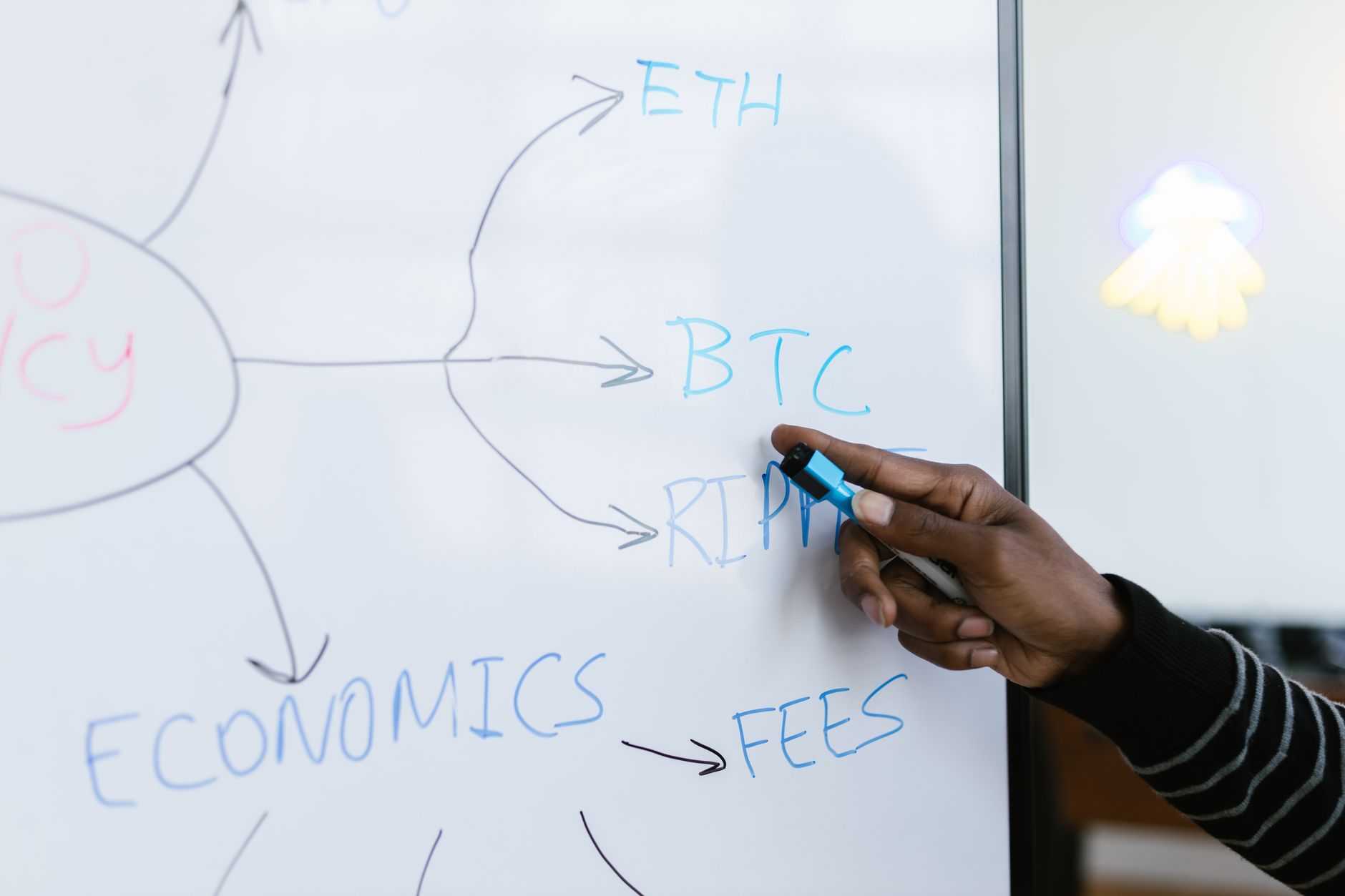
Key takeaways
- A gas fee is the price you pay the network to include your transaction in a block, and it exists because block space is limited and many people compete for it at once.
- On Ethereum a fee is gas units times gas price, where gas price after the EIP-1559 upgrade is a base fee that gets burned plus a priority tip that goes to the validator.
- Fees spike when the network is congested, because block space becomes an auction and impatient users bid the price up.
- Different chains price fees in different ways: Bitcoin charges by transaction size in sat per vByte, Ethereum charges by computation, and Solana keeps fees low and fairly flat.
- Layer 2 networks like Arbitrum, Base, and Optimism bundle many transactions together and routinely cut Ethereum fees by a large factor.
- Exchange withdrawal fees are a separate charge the platform sets and are not the same as the live network fee, so they can be higher than what the chain actually costs.
You decide to move twelve dollars of a token from one wallet to another. You hit send, and the wallet asks you to confirm a fee of eighteen dollars. The transfer would cost more than the money inside it. This is the moment almost every crypto user hits at some point, and it feels like a glitch or a scam. It is neither. It is gas, the toll every blockchain charges to process your transaction, and once you understand where it comes from you can usually cut it down to a few cents. This guide explains what gas actually is, how Ethereum prices it, why fees spike, how the major chains differ, and the practical moves that keep more of your money in your wallet.
What Gas Actually Is
A blockchain is a shared computer that thousands of people use at the same time, and it can only do so much work per block. Every transaction you send asks that shared computer to do something: move a coin, swap one token for another, mint an item, or run a contract. Doing that work takes computation, and recording it takes space inside the next block. Both of those are limited. Gas is simply the price the network charges for the computation and the block space your transaction consumes.
Two forces set the price. The first is how much work your specific transaction needs. A plain transfer is cheap because it is simple. A complicated swap that touches several contracts is more expensive because it makes the network do more. The second force is demand. Block space is auctioned in real time, and when many people want their transactions included at once, they bid the price up. So your fee is the work your transaction requires multiplied by whatever the network is charging per unit of work at that exact moment.
This is why a fee can dwarf a small transfer. The fee is tied to computation and congestion, not to the dollar value you are moving. Sending five dollars and sending five thousand dollars of the same token cost the same gas, because the network does the same amount of work either way. That single fact explains most of the confusion and most of the pain of crypto fees, and it points straight at the fixes later in this guide.
How Ethereum Gas Works
Ethereum is the chain where most people first meet gas, and its model is worth learning because so many other networks borrow from it. An Ethereum fee has two ingredients: gas units and gas price.
Gas units measure how much work your transaction does. A simple transfer of ether uses a fixed 21,000 gas units. A token transfer uses more. A swap on a decentralized exchange might use a few hundred thousand. The unit count depends on the operation, and your wallet estimates it for you before you confirm.
Gas price is what you pay per unit, quoted in gwei. Gwei is a tiny denomination of ether: one gwei is one billionth of an ether. Quoting the price in gwei keeps the numbers human-readable instead of a long row of zeros. Your total fee is straightforward: gas units multiplied by gas price. If a transfer uses 21,000 units and the price is 20 gwei, the fee is 420,000 gwei, which is 0.00042 ether.
In 2021, an upgrade called EIP-1559 changed how the gas price is built. Instead of one number set by a blind auction, the gas price now has two parts.
- The base fee is set automatically by the network based on how full recent blocks have been. When blocks are crowded, the base fee rises. When they empty out, it falls. Crucially, the base fee is burned, meaning it is permanently destroyed rather than paid to anyone.
- The priority tip is an optional extra you add to reward the validator for including your transaction faster. In calm conditions the tip is tiny. When you are in a hurry during congestion, a bigger tip jumps your transaction ahead.
So a modern Ethereum fee is gas units multiplied by the sum of the base fee and your tip. The base fee disappears, the tip goes to the validator, and the design makes fees more predictable than the old free-for-all, because the base fee adjusts in measured steps instead of swinging wildly with every block.
One more setting is worth knowing about: the max fee. When you confirm, your wallet sets a ceiling on the base fee you are willing to pay. If the actual base fee at the moment of inclusion comes in lower than your ceiling, you only pay the lower amount and the difference is refunded. This protects you during volatile moments, because you are not locked into the highest number you authorized. It also means the fee your wallet quotes is often a worst case rather than the exact amount you will be charged, which is a pleasant surprise the first time you notice a transaction settled for less than the estimate.
Why Fees Spike
Block space is finite, so a busy network turns into an auction. When a popular token launch, a market crash, or a hyped mint sends thousands of people rushing to transact in the same few minutes, demand for block space outruns supply. On Ethereum, the base fee climbs automatically as blocks fill, and impatient users pile on tips to leapfrog each other. The result is the eye-watering fee you sometimes see, where a simple action costs tens of dollars for no reason other than timing.
The reverse is also true and easy to exploit. At quiet hours, when fewer people are transacting, the base fee drifts down and tips shrink to almost nothing. The very same transaction that cost thirty dollars during a frenzy might cost a dollar or two at a calm moment. Fees are a weather system, not a fixed price, and patience is one of the cheapest tools you have.
The fee you pay is not the cost of your transaction in isolation. It is the price of cutting in line ahead of everyone else who wants the same block space at the same second.
How Fees Differ Across Chains
Gas is a universal idea, but every network prices it differently. Knowing the differences is the difference between overpaying and barely paying.
Bitcoin does not run general computation, so it does not charge for it. Bitcoin fees are based on transaction size in bytes, quoted as satoshis per virtual byte, written sat per vByte. A satoshi is the smallest unit of bitcoin. A transaction that bundles many inputs is larger in bytes and costs more, while a lean transaction costs less. Like Ethereum, Bitcoin fees rise with congestion, because miners include the highest-paying transactions first when blocks fill up.
Ethereum mainnet, often called Layer 1, is the most expensive of the major chains during busy periods, for the reasons above. It is the bedrock layer where final settlement happens, and that security and demand come at a price.
Layer 2 networks like Arbitrum, Base, and Optimism sit on top of Ethereum and exist largely to slash fees. They process transactions off the main chain, bundle hundreds of them together, and then post a compressed summary back to Ethereum for security. Because the cost of settling to mainnet is shared across everyone in the bundle, individual fees drop sharply, often to a tiny fraction of mainnet. The tradeoff is that your funds live on the Layer 2 until you bridge them back to mainnet, and the bridge transaction itself pays a mainnet fee.
Solana takes a different approach entirely. It is built for high throughput and keeps fees very low and fairly flat, typically a fraction of a cent per transaction. Instead of a steep auction, Solana uses small base fees with optional priority fees during congestion, so even busy moments rarely produce the shocking bills that mainnet Ethereum can. The tradeoff lives in the network's architecture and validator requirements, but for the everyday user, low predictable fees are the headline.
It helps to think of these chains as a spectrum rather than competitors. Ethereum mainnet is the secure, expensive base layer where the largest and most important transactions ultimately settle. Layer 2 networks are the express lanes built on top of it, cheap for daily use because they share the cost of touching mainnet. Solana and other high-throughput chains are separate highways designed from the start for volume and low cost. Knowing which lane fits a given transaction is most of what separates someone who overpays from someone who barely notices fees at all.
Exchange Withdrawal Fees Are Not Network Fees
Here is a distinction that costs people money because they never notice it. When you withdraw crypto from an exchange to your own wallet, the exchange charges a withdrawal fee. That fee is set by the exchange, not by the blockchain. The two are easy to confuse because both are called fees and both come out of your balance, but they are not the same thing.
The blockchain only ever charges the live network fee, the real cost of getting your transaction into a block at that moment. An exchange withdrawal fee is the platform's own charge, and many exchanges set it as a flat amount that is padded above the real-time network cost. Part of that padding is a genuine buffer against fee swings between when you click and when the transaction actually sends. Part of it, on some platforms, is simply revenue.
The practical lesson: before you withdraw, check a gas tracker or fee estimator for that specific network to see what the chain actually costs right then. If the exchange wants far more than the live rate, you are paying a markup. Choosing a network with naturally low fees for the withdrawal, where the exchange supports it, often saves the most. Withdrawing the same token over a Layer 2 or a low-fee chain instead of Ethereum mainnet can turn a twenty-dollar withdrawal fee into pennies.
Practical Ways to Pay Less
Most fee pain is avoidable. None of these moves require technical skill, just a little awareness before you confirm.
Time your transactions. Fees follow demand, and demand follows the clock. Weekends and off-peak hours, particularly late at night in US time zones, tend to be calmer than weekday business hours when activity peaks. If your transfer is not urgent, glancing at a gas tracker and waiting for a quiet window can cut the fee by most of its value.
Use a Layer 2 or a low-fee chain. This is the single biggest lever for most people. If you are doing routine transfers and swaps, doing them on Arbitrum, Base, Optimism, or another low-fee network instead of Ethereum mainnet routinely cuts fees by a large factor. Move funds over once, then transact cheaply many times.
Batch when you can. Instead of sending ten separate small transactions, see whether your wallet or platform lets you combine them. On Bitcoin especially, consolidating inputs thoughtfully and avoiding a flurry of tiny separate sends reduces the total bytes you pay for. Fewer transactions almost always means less total fee.
Set the fee manually. Most wallets let you choose between fast, average, and slow fee levels, and some let you type the gas price directly. If you are not in a rush, picking the slower, cheaper option and accepting a longer wait saves money. Just do not set it so low that the transaction never confirms.
Avoid failed transactions. A failed transaction on Ethereum still costs the gas it burned before failing, so you pay and receive nothing. Make sure your wallet holds enough native coin to cover the fee, confirm you are interacting with the correct contract, and during congestion set a tip high enough to confirm cleanly rather than gambling with a fee so low it stalls or fails.
How to Read a Fee Before You Confirm
Your wallet shows you the fee before you approve anything, and learning to read that screen is the habit that protects you. Before you confirm any transaction, pause and check three things.
First, look at the estimated fee in dollars, not just in the native coin. A fee of 0.004 ether means nothing until you know what ether is worth that day. Good wallets show the dollar estimate next to it. If they do not, do the conversion in your head before you commit.
Second, compare the fee to the amount you are sending. If you are moving twelve dollars and the fee is fifteen, stop. That is your signal to switch to a cheaper network, wait for a calmer moment, or reconsider whether the transfer is worth it at all. There is no rule of the universe that says a transfer must happen right now on the most expensive chain.
Third, check the fee level your wallet selected and adjust if you can. If it defaulted to fast and you are not in a hurry, drop it to standard or slow. If the network is congested and the transaction matters, nudge the tip up so it does not stall. The few seconds this takes is the difference between paying what you must and paying what the wallet guessed you would tolerate.
The Honest Part: Sometimes the Fee Beats the Transfer
There is no polite way around this, so here it is plainly. For very small amounts on a busy network, the fee can exceed the value you are sending, and no clever trick fully erases that. If you try to move three dollars of a token across Ethereum mainnet during a congested afternoon, you may simply be unable to do it economically. The network does not care that your transfer is small. It charges for the work and the block space regardless.
The answer is to plan around this rather than fight it. Keep small balances and frequent activity on low-fee networks where a transfer costs pennies. Reserve Ethereum mainnet for moves large enough that a fee of a few dollars is trivial against the amount, or for actions that genuinely require mainnet. Consolidate small transactions into fewer larger ones when you can. And before you send anything tiny, ask whether the fee is worth more than the destination. Often the cheapest transaction is the one you do not make until you can do it on the right chain at the right time.
Putting It Together
Gas fees feel arbitrary until you see the machinery underneath, and then they become something you can manage. A fee is the price of computation and block space, set by how much work your transaction needs and how many people are competing for the same block. Ethereum prices it as gas units times a gas price split into a burned base fee and a validator tip. Bitcoin prices it by transaction size, Solana keeps it low and flat, and Layer 2 networks bundle transactions to cut the cost of using Ethereum dramatically. Exchange withdrawal fees are a separate charge you should always compare against the live network rate.
The moves that save money are simple and repeatable. Transact during quiet hours, live on a Layer 2 or a low-fee chain for routine activity, batch what you can, set the fee manually when you are not rushed, and read the fee screen before every confirmation. Do those things and the eighteen-dollar fee on a twelve-dollar transfer stops being a surprise that drains you and becomes a signal you know how to act on. That is the whole game: not eliminating fees, which no one can do, but never overpaying them by accident.
Crypto punishes guesswork faster than any market on Earth.
Volatility is survivable. Not knowing what you own is not. The Financial IQ Test measures your actual money knowledge, from market basics to risk math, so your conviction is built on understanding instead of a feed full of hype.
Test your Financial IQQuestions people ask
Why is my gas fee higher than the amount I am sending?
Because the fee is based on how busy the network is and how much computation your transaction needs, not on how much value you move. Sending five dollars of a token costs the same gas as sending five thousand dollars of the same token. On a congested day on Ethereum mainnet, that fixed cost can easily exceed a small transfer, which is why people move small amounts on a Layer 2 or a low-fee chain instead of paying full mainnet rates.
What is gwei and why do fees get quoted in it?
Gwei is just a small unit of Ethereum's coin, ether. One gwei is one billionth of an ether. Gas prices are tiny per unit of gas, so quoting them in whole ether would mean a string of zeros after the decimal point. Gwei keeps the numbers readable. When a gas tracker says the price is 20 gwei, it means you are paying 20 billionths of an ether for each unit of gas your transaction consumes.
Does the base fee really get destroyed?
Yes. Since the EIP-1559 upgrade in 2021, the base fee portion of every Ethereum transaction is burned, meaning it is permanently removed from circulation rather than paid to anyone. Only the priority tip goes to the validator who includes your transaction. The base fee rises and falls automatically based on how full recent blocks have been, which makes fees more predictable than the old pure-auction system.
Are Layer 2 fees always cheaper than Ethereum mainnet?
Almost always, and often by a wide margin. Layer 2 networks like Arbitrum, Base, and Optimism process transactions off the main chain and then post compressed proof of them back to Ethereum, so each user shares the cost of settling to mainnet. The result is fees that are frequently a small fraction of mainnet. The tradeoff is that your funds live on the Layer 2 until you bridge them back, and bridging itself costs a mainnet fee.
How do I avoid paying a fee on a transaction that fails?
Check the transaction before you confirm and do not rush a transfer through a congested network with a fee set too low. On Ethereum, a transaction that runs out of gas still consumes the gas it used before failing, so you pay and get nothing. Make sure your wallet has enough native coin to cover the fee, confirm the contract you are interacting with is correct, and when the network is busy, either wait or set a slightly higher tip so your transaction confirms cleanly the first time.
Why does an exchange charge me more to withdraw than the network fee tracker shows?
Exchange withdrawal fees are set by the platform, not by the live network. Some exchanges charge a flat amount per withdrawal that is padded above the real-time cost, partly as a buffer for fee swings and partly as revenue. The blockchain itself only ever charges the live network fee. To see what the chain actually costs at that moment, check a gas tracker or fee estimator for that specific network and compare it to what the exchange quotes.
Keep reading
Bitcoin Explained for Normal People (2026 Edition)

The Crypto Scam Field Guide: Every Major Con and How to Spot It

Crypto Taxes in 2026: What You Actually Owe the IRS
The Flourish Letter
One smart money idea each week, charts included. Join free and get the printable 2026 Money Calendar in your welcome email.