The Crypto Scam Field Guide: Every Major Con and How to Spot It
Key takeaways
- Americans reported roughly $9.3 billion in crypto-related fraud losses to the FBI for 2024 alone, and the real total is higher because most victims never report.
- Nearly every crypto scam is one of about ten scripts, and learning the scripts works better than trying to evaluate each opportunity on its merits.
- Pig butchering, the long-con fake investment romance, is the most expensive scam in America, and it always reveals itself the same way: you can deposit easily but must pay fees to withdraw.
- No legitimate company, government agency, or stranger will ever ask you to pay them in crypto, move your savings to a safe account, or share your seed phrase.
- Crypto transfers are final, so prevention is nearly everything; if you are hit, report fast to ic3.gov and the FTC, and treat every recovery service that contacts you as the second scam.
- Adults over 60 lose more to these cons than any other group, so the most valuable thing many readers can do is walk their parents through the red flags.
The most useful thing to understand about crypto scams in 2026 is that they are not crimes of opportunity. They are an industry, with office buildings, payroll, training manuals, performance quotas, and customer relationship software, except the customers are victims. The product line is stable: roughly ten scripts, refined over years, aimed at every age group and every level of sophistication. That stability is your advantage. You do not need to evaluate every opportunity, app, or charming stranger on the merits, which is exhausting and error-prone. You only need to recognize the scripts, because the scripts almost never change. This field guide catalogs every major con, the anatomy of the worst one, the red flags that cut across all of them, and the playbook for the first 24 hours if you or someone you love gets hit. Fair warning: the numbers are ugly, and they are the reason this guide exists.
Why crypto is the perfect scam currency
Fraud predates crypto by several thousand years, but crypto solved three logistical problems that used to limit the business.
First, transfers are final. There is no chargeback, no recall, no fraud department that claws money back while you sleep. Once coins move, they are gone, and they can be laundered through chains of wallets and offshore platforms within the hour.
Second, the subject is confusing, and confusion is camouflage. Most people know crypto produced real fortunes but do not understand the mechanics, which makes fake trading dashboards, fake yield platforms, and fake jargon nearly indistinguishable from the real thing. A scammer no longer needs you to believe something crazy, only something you have already read headlines about.
Third, hype does the prospecting. Every real bull market mints real winners whose stories circulate at barbecues and in group chats, generating a standing population of people who feel late and want a way in. Scammers do not create that feeling; they harvest it. This is also why scam waves reliably crest alongside price runs.
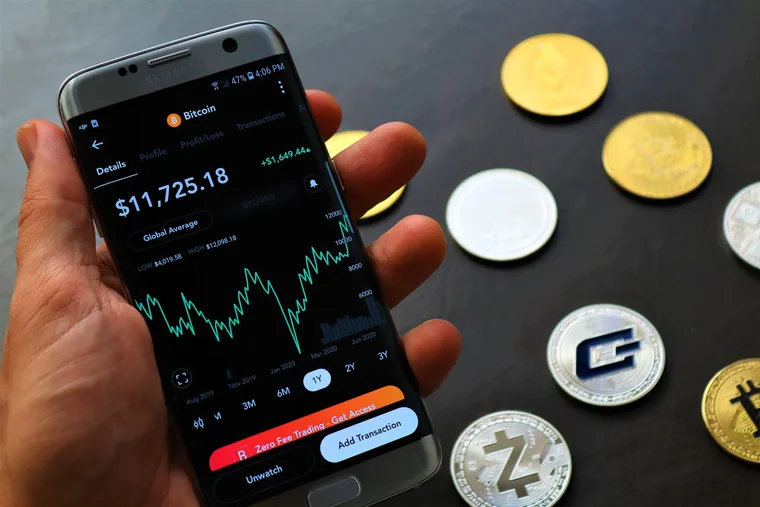
The chart above is live for a reason: whatever it shows this week, someone is screenshotting a move like it into a pitch. The market's real volatility is the scammer's best prop.
The damage, in numbers
The scale stopped being a niche problem years ago. Reported crypto-related fraud losses to the FBI's Internet Crime Complaint Center reached roughly $9.3 billion for 2024, up about two thirds from the prior year, and the FTC's separate consumer reporting tells the same story with different totals. Two details inside the numbers matter most. Investment fraud, the pig-butchering family, is the largest single category by dollars. And adults over 60 report the largest losses of any age group, well over $2 billion in a single year, often entire retirements.
Remember that all of these figures count only people who filed reports. Shame is part of the scam's design, and fraud researchers consistently find that most victims never tell anyone, including the government. The true totals are meaningfully higher.
The taxonomy: every major con on one table
Here is the catalog. Read the tells column twice; it is the most useful column on this site.
A few patterns jump out of the table once you see them together. Almost every scam begins with inbound contact: a text, a DM, a call, an ad, a match. Almost every scam manufactures either urgency or intimacy, because both shut down the checking instinct. And nearly all of them converge on the same final move: a payment that must happen in crypto, right now, to someone you have never met in person. Legitimate finance does none of these things.
Anatomy of the big one: pig butchering
The scam the FBI calls confidence-based investment fraud, and everyone else calls pig butchering, deserves its own dissection, because it is the most expensive con in America and the one most likely to take everything rather than something. The name is the scammers' own, and it describes the method: fatten the pig before the slaughter. It unfolds in stages, over weeks or months, and it is executed from scripts by workers in industrial scam compounds, many of them overseas, some of them trafficking victims themselves.
What makes this scam so lethal is that every early experience is engineered to be real. The first withdrawal genuinely arrives in your bank account. The dashboard genuinely shows gains, because it is a website the scammers control and the numbers are fiction typed into a database. The person genuinely texts you good morning every day for two months. By the time the trap closes, the victim has months of evidence that everything works, all of it manufactured, and one final tell standing between them and the truth: money goes in easily, but coming out requires a tax, a fee, an account upgrade, always paid separately, never deducted from the balance. No real financial institution on earth works that way. Taxes on gains are owed to the government at filing time, not wired to the platform to unlock your own money. That single fact, installed in advance, is the best vaccine this guide can give you.
Field notes on the other heavy hitters
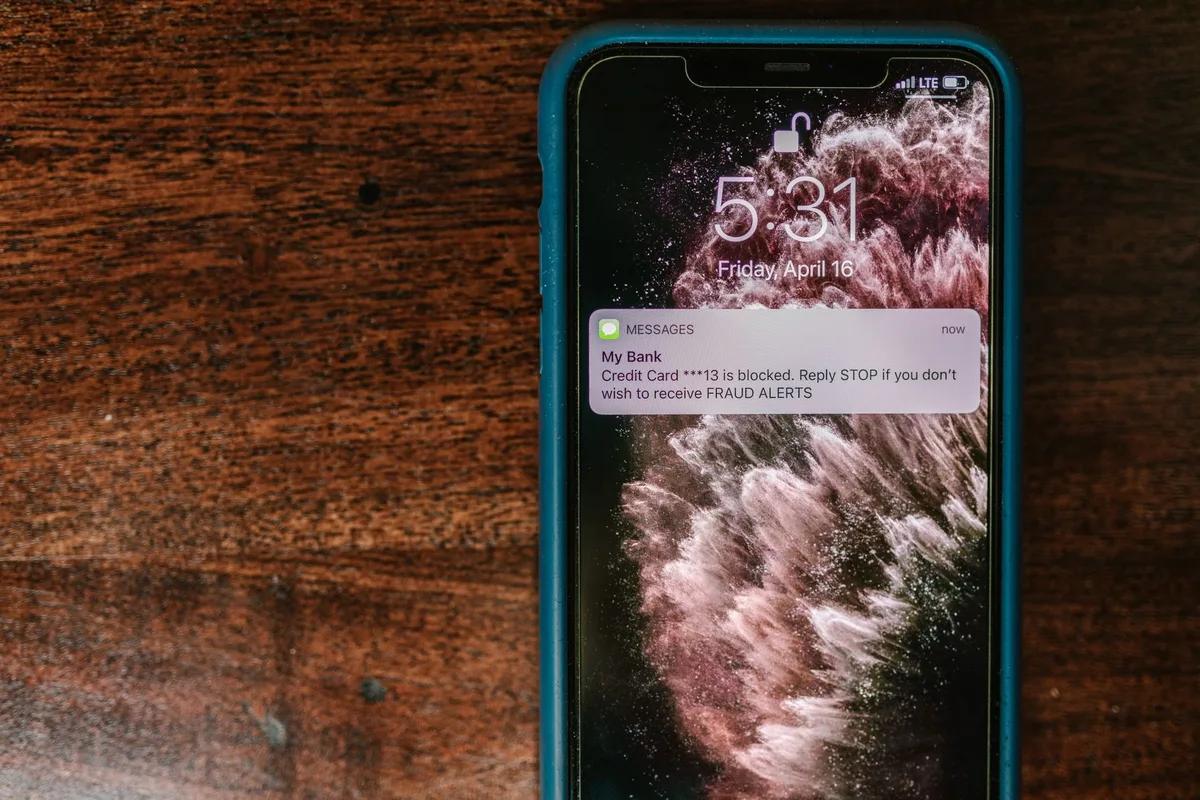
Impersonation scams are the fastest growing branch. The call or text claims to be your bank, your exchange, Amazon, or a federal agency; the story is that your money is in danger and must be moved to a safe account or converted to crypto, sometimes via a bitcoin ATM, with the caller talking you through every step and instructing you not to tell anyone. The entire genre dies on contact with one rule: no government agency or legitimate company will ever direct you to buy crypto or move funds to protect them. Hang up, then call the institution back yourself using the number on your card or statement, never one the caller provides.
Phishing and wallet drainers are the technical branch. Fake exchange login pages bought as search ads, fake wallet apps in app stores, fake airdrop sites, and messages that panic you into clicking, all aimed at harvesting either your password and two-factor codes or, for self-custody users, a signature from your wallet that authorizes draining it. The defenses are mechanical: reach financial sites only through your own bookmarks, never search results; never enter a seed phrase anywhere, ever, for any reason; and treat every unsolicited link that touches money as hostile.
Rug pulls and pump-and-dumps are the market-manipulation branch. A new token launches with manufactured buzz, influencer posts, and a fast-rising chart; insiders own most of the supply, and when enough outsiders have bought in, the creators sell everything or simply disable selling, collapsing the price to zero in minutes. Celebrity-promoted meme coins have repeatedly followed this arc. The tell is structural, not behavioral: brand-new token, anonymous team, the inability to articulate what the token is for, and urgency to buy before the window closes. People who only ever hold the large, old, boring assets are immune to this entire category.
Giveaway and deepfake scams are the volume branch: a video or post, increasingly an AI-generated likeness of a famous person, promises that any crypto you send will be returned doubled, as a promotion. Nothing has ever come back to anyone. The arithmetic is the tell: there is no business model on earth that doubles strangers' money as a marketing expense.
Job and task scams complete the set, aimed squarely at people who never invested in anything: a remote job offer involves completing small online tasks for pay, the pay arrives at first, and then the platform requires deposits in crypto to unlock higher-paying task tiers. It is pig butchering wearing a paycheck. Real employers pay you; any job that requires depositing your own money to earn wages is a con, full stop.
The universal red flags
Across every script in the catalog, the same eight tells recur. Any one of them should stop a transaction; two or more is certainty. A stranger or new online friend brought you the opportunity, rather than you seeking it out. Returns are guaranteed, or losses are claimed to be impossible. Urgency is manufactured: tonight, this window, before the next price move. Payment must happen specifically in crypto, gift cards, or a wire, the three payment rails with no undo button. You are told to keep it secret from family, your bank, or anyone who might check. Withdrawing your own money requires paying a separate fee or tax first. Anyone, anywhere, asks for your seed phrase. And the person you are dealing with cannot or will not meet, video call, or be verified as a real identity. None of these flags require understanding blockchains. They are all about behavior, which is exactly why they work.
The first 24 hours if you get hit
Speed matters more than anything else, because recovery odds, already low, decay by the hour. Stop all contact with the scammer immediately, and do not announce you have figured it out; silence preserves evidence and prevents the final extraction attempt. Screenshot everything: chats, the platform, wallet addresses, transaction IDs, phone numbers, the lot. File at ic3.gov, the FBI's intake for exactly this, and at reportfraud.ftc.gov; include the wallet addresses, which investigators use to trace and sometimes freeze funds at exchanges. Notify your bank and your real exchange, which may be able to stop pending transfers and will flag your accounts. Change passwords and two-factor settings on everything financial, in case the scam included credential theft. If your seed phrase was ever exposed, move remaining funds to a brand-new wallet immediately. Then tell someone you trust, both because shame is the scammer's last weapon and because the follow-up scam, the recovery service that calls next month, preys precisely on victims who are still alone with it. And if the loss is meaningful, see a crypto-literate tax professional; some investment fraud losses have qualified for deductions, which is cold comfort but real money.
The conversation to have with your parents
If you remember one assignment from this guide, make it this one. The over-60 group loses more to these scams than anyone, the impersonation and romance scripts target them deliberately, and the losses are the least recoverable kind: retirements, not fun money. Have the conversation before anything happens, because mid-scam victims are coached to distrust exactly this conversation. The script is short. No real agency or company will ever call about moving money to keep it safe, ever; hanging up and calling back on the official number is always correct. No stranger who texts or matches with you needs to teach you investing. Nothing real requires a bitcoin ATM. And no question about money is embarrassing enough to keep secret from family; the only people who insist on secrecy are the ones being paid to.
Crypto did not invent the con; it streamlined one. The defense has not changed since long before the blockchain: real wealth does not cold-call, real returns are never guaranteed, and nobody honest charges you to receive your own money. Learn the ten scripts, install the withdrawal-fee tell in your head and your parents' heads, and the most sophisticated fraud industry in history becomes, mostly, a series of texts you do not answer.
Crypto punishes guesswork faster than any market on Earth.
Volatility is survivable. Not knowing what you own is not. The Financial IQ Test measures your actual money knowledge, from market basics to risk math, so your conviction is built on understanding instead of a feed full of hype.
Test your Financial IQQuestions people ask
Can I get my money back after a crypto scam?
Usually no, and anyone who promises otherwise is selling something. Crypto transfers cannot be reversed, and most stolen funds move through chains of wallets and offshore exchanges within hours. Law enforcement does occasionally freeze and return funds in large cases, which is why fast reporting to ic3.gov matters, but recovery is the exception. Plan around prevention, not rescue.
Are crypto recovery services legitimate?
Treat every one that contacts you as a scam, because the overwhelming majority are. Fraudsters sell victim lists to each other, then call posing as recovery experts, lawyers, or even FBI agents, demanding upfront fees to retrieve funds that are already gone. Real law enforcement never charges you to investigate. A victim who pays a recovery service has typically just been scammed twice.
How did the scammers get my number in the first place?
Mass texting. Pig-butchering operations blast millions of wrong-number style messages from data broker lists and leaked databases; anyone who replies, even to say wrong number, gets flagged as responsive and handed to a closer. Other pipelines include dating apps, social media ads, hacked friend accounts, and comment sections under anything about money. A reply is the product.
Is the friendly person texting me even real?
There is a person, but often a coerced one. Investigations by international law enforcement have documented huge scam compounds in Southeast Asia staffed partly by trafficking victims working from scripts under threat. That is worth knowing for two reasons: the conversation is industrial, not personal, and your sunk feelings are part of the script's design.
What do I do if a parent or friend is in the middle of one of these?
Move gently, because victims mid-scam are coached to distrust family and feel deep shame. Avoid ridicule, show them this kind of guide, and aim at the one detail every scam shares: ask them to try withdrawing a meaningful amount without depositing more. The refusal or fee demand that follows often does what argument cannot. Then help them report and lock down accounts.
If these scams are so common, why can't exchanges and banks just block them?
They stop a lot; large exchanges and banks now warn, delay, and sometimes refuse suspicious transfers. But the core problem is that victims are not being hacked, they are being persuaded, and a determined customer moving their own money is hard to stop in a free country. That is also why education, not technology, remains the main defense.
Keep reading

Bitcoin Explained for Normal People (2026 Edition)

Crypto Taxes in 2026: What You Actually Owe the IRS
How to Buy Crypto Safely in 2026: A No-Hype Guide
The Flourish Letter
One smart money idea each week, charts included. Join free and get the printable 2026 Money Calendar in your welcome email.