Key takeaways
- The IRS treats crypto as property, so spending coins you hold is generally treated as selling them, which can create a capital gain or loss you must figure and report; a loss is possible too.
- Timing depends on the card: a convert-at-checkout card sells your coins the instant you tap, while a prepaid card that converts when you load it already made the sale at load time, so later spending that dollar balance is not a second crypto disposal.
- Direct blockchain payments are generally final with no chargeback or fraud liability cap, but crypto cards running on normal card networks often provide dispute and unauthorized-transaction protections; either way, the crypto you hold is generally not federally insured.
- Crypto rewards are taxed by type: purchase-linked cashback is generally treated as a nontaxable rebate, while staking, referral, and promotional rewards are generally income when received, and selling or spending any crypto reward can create a separate gain or loss.
- A dollar-pegged stablecoin bought near its redemption value and holding its peg produces little gain when spent, but pegs can slip, some coins track other assets, and converting an appreciated coin into a stablecoin realizes that older gain first.
- Any unsolicited demand to pay in crypto is a strong scam signal, because direct crypto payments are hard to reverse or recover, a point the CFPB has flagged.
Somewhere along the way, crypto stopped being only a thing people bought and held. Now you can tap a card funded by your coins at a coffee shop, send Bitcoin to an online merchant, or load a wallet app and pay a friend. On the surface it looks like any other cashless payment. Under the surface, it can behave in ways that surprise you at tax time, and it may leave you with a very different set of protections depending on exactly how you pay.
This guide walks through what actually happens when you spend cryptocurrency, in everyday terms. We will cover the two main ways people pay with crypto, why the government often treats a purchase as a small sale, how a crypto debit card really works behind the scenes, the consumer protections that do and do not follow you, the fees that hide inside the exchange rate, and how refunds and disputes play out. The goal is not to talk you into or out of anything. It is to help you walk in with your eyes open.
The two ways people "pay with crypto"
When someone says they paid with crypto, they usually mean one of two very different things, and the difference matters for almost everything that follows.
The first is a direct, wallet-to-wallet payment. You hold coins in your own wallet, a merchant gives you an address or a QR code, and you send the coins straight to them on the blockchain. No bank sits in the middle. The merchant receives actual crypto. This is the purest form of crypto payment, and it is also the one with the fewest safety nets.
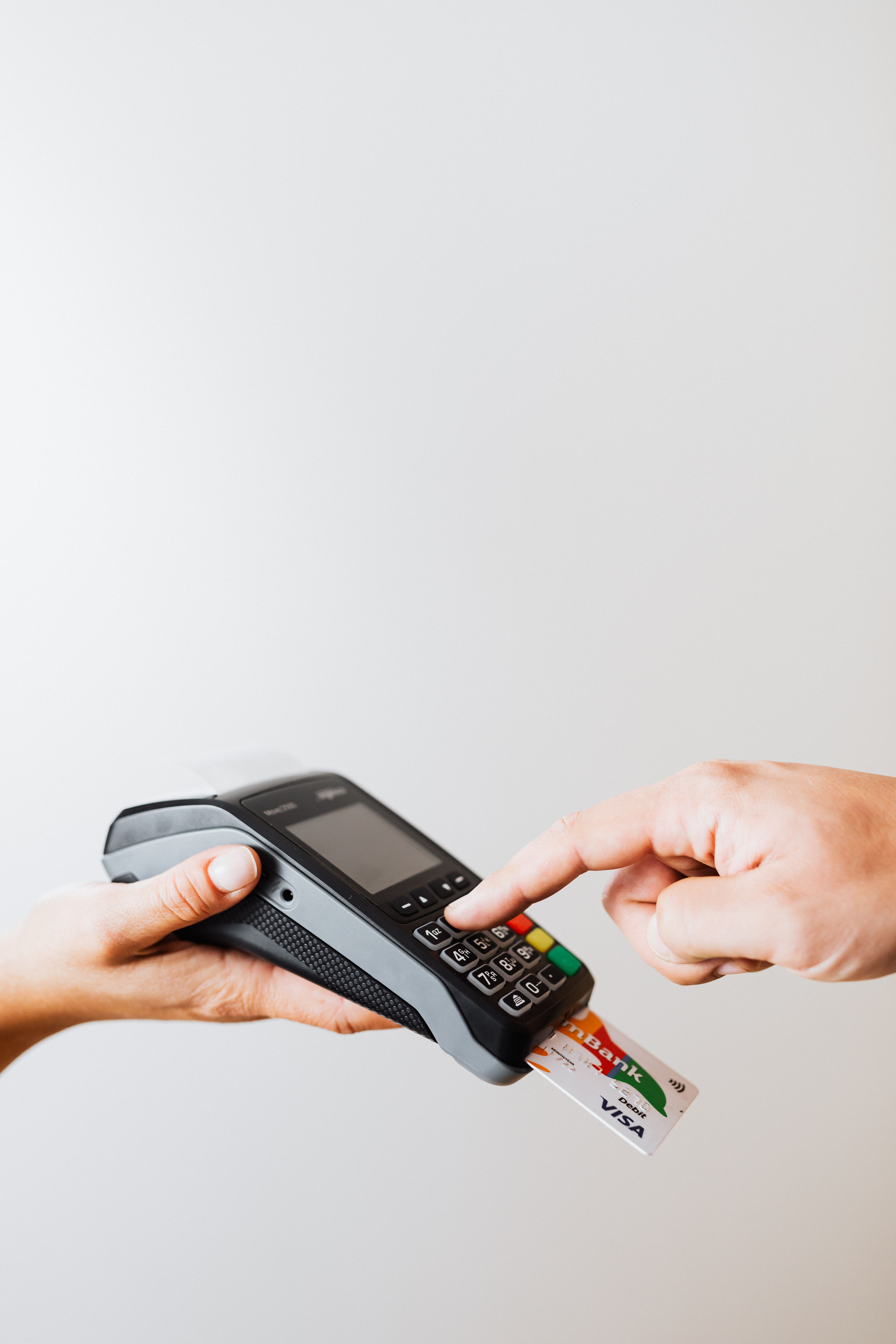
The second is a crypto card, usually a debit style card tied to a balance you keep on an exchange or a payment app. Here the merchant never touches crypto at all. The provider turns your coins into regular dollars and settles the sale over the normal card network, exactly like a debit card attached to a bank account. To the cashier, it is an ordinary tap. The twist, as we will see, is that different cards convert your crypto at different moments, and that timing changes your tax picture.
Both count as spending crypto. Both can touch the tax rules. But the experience, the fees, and the paper trail differ, so it helps to know which one you are doing.
What the IRS sees when you spend crypto
This is the part that catches the most people off guard, so it is worth slowing down. In the United States, the IRS treats virtual currency as property, not as money. That single choice drives almost everything else. Because crypto is property, using it to buy something is treated as exchanging a capital asset for goods or services, which means you may have to figure a capital gain or loss on the coins you spent, according to the IRS guidance on virtual currency transactions.
In plain terms, when you spend coins you are holding, the tax system acts as if you sold them for dollars first and then went shopping with the dollars. If the coins were worth more on the day you spent them than on the day you bought them, you have a gain. If they were worth less, you have a loss, which can actually work in your favor. The gain or loss is the difference between what the crypto was worth when you spent it and your original cost, often called your basis.
How long you held the coins also changes the math. The IRS counts the holding period from the day after you acquired the coins to the day you spend or exchange them. Hold crypto a year or less before spending it, and any gain is short-term, taxed at ordinary income rates. Hold it longer than a year, and the gain is long-term, which generally carries lower rates. None of this is unique to crypto cards. A direct wallet payment triggers the same treatment on the coins you send.
Here is a simple, made-up example to make the idea concrete. Say you buy a bag of coffee beans for the equivalent of one hundred dollars in a coin. How big the taxable gain is depends entirely on how much that coin had climbed since you first bought it. The chart below shows that hypothetical math. It is not a forecast and not advice, just arithmetic to show the pattern.
Notice what the chart is really saying. The more a coin has climbed since you bought it, the larger the slice of each purchase that counts as a taxable gain. This is why some people who want to pay with crypto reach for a dollar-pegged stablecoin instead of a coin that swings in price. A stablecoin that you bought near its redemption value, and that is holding its one dollar peg, should produce a gain close to zero when you spend it, because its value has barely moved from your cost. Spending it is still technically a disposal in the eyes of the tax rules, but the gain on each small transaction is usually tiny.
Two cautions keep this from being a free lunch. First, a stablecoin is only stable as long as it holds its peg. Not every coin labeled stable stays at a dollar, some have slipped below their peg during periods of stress, and others are designed to track a different currency or asset entirely, which changes the math. Second, and this trips up a lot of people, you cannot dodge a built-up gain by converting an appreciated coin into a stablecoin right before you spend. Swapping a coin that has doubled into a stablecoin is itself a disposal of that coin, so you realize the old gain at the moment of the swap, not later. The stablecoin only keeps future gains small from that point forward.
The practical headache is record keeping. If you use a convert-at-checkout crypto card for everyday purchases, each swipe can be its own little sale with its own date, value, and cost basis. A month of ordinary spending can turn into dozens of taxable events you are expected to track. Crypto tax software and some card providers can help by pulling transaction histories and applying a consistent cost-basis method, but the burden is real. If you want to understand how those gains get tallied and reported, our guide on calculating crypto cost basis and our overview of reporting crypto on your tax return walk through it step by step. For complicated situations, a qualified tax professional is worth the cost.
How a crypto debit card actually works
Crypto cards are marketed as the easy, grown-up way to spend your coins, and the tap itself really is easy. The machinery behind the tap is where the details live. When you present the card, the provider checks your crypto balance, sells enough of it for local currency at the current market rate, and passes those dollars to the merchant through the ordinary card network, as a major exchange explains in its guide to crypto debit cards. Your coin balance drops by the amount spent plus any fees. The merchant is paid in regular money and never deals with crypto.
The timing of that conversion is not the same on every card, and it matters. Some cards convert at the exact moment you pay. With one of those, the instant you tap is the instant your coins are sold, and the value right then sets your gain or loss. Other cards, especially prepaid ones, convert your crypto to dollars when you load the card. With that setup the taxable sale already happened at load time, and the dollar balance sitting on the card behaves like ordinary money. Spending that balance on coffee later is not a second crypto disposal, because there is no crypto left to dispose of. Knowing which kind of card you hold tells you when the taxable moment occurs, and how many of them you are stacking up.
Rewards are another feature that varies, and how they are taxed depends on why you received them. Cashback that is tied to a purchase is generally treated the same way ordinary credit card cashback is, as a rebate that reduces what you paid rather than income you earned, so it is usually not taxed when it lands, a principle explained in plain terms by Credit Karma's overview of cash back taxability. Rewards that are not tied to a purchase are different. Staking rewards, referral bonuses, and promotional giveaways are generally treated as income at their value when you receive them. And whatever the source, once you hold crypto that was handed to you as a reward, selling or spending it later can create its own capital gain or loss, measured from its value when you got it. Advertised reward rates can also look higher than what you actually earn once monthly caps, spending tiers, and fees are factored in, so read how rewards are calculated, not just the headline percentage.
The protections you may give up
This may be the single most important section, because it is the part marketing rarely mentions, and it is where direct payments and card payments part ways. When you pay with a traditional credit or debit card, you sit inside a web of consumer protections that you probably take for granted. You can dispute a charge. You can request a chargeback if a seller never ships. Your bank deposits are insured by the government up to legal limits if the bank fails. Federal rules cap your liability for unauthorized charges. The key question with crypto is which of these follow you, and that depends heavily on how you pay.
The Consumer Financial Protection Bureau has documented what the riskier end looks like. In its review of consumer complaints about crypto assets, the agency highlighted that crypto transactions generally cannot be reversed once completed, that there is no chargeback mechanism like the one credit cards offer, that consumers reported having accounts frozen with unclear paths to resolution, and that crypto holdings are not protected by federal deposit insurance the way bank accounts are, per the CFPB complaint bulletin on crypto assets. The bureau also noted that scammers frequently demand crypto precisely because the payments are so hard to claw back.
Irreversibility is the heart of the direct-payment risk. On a blockchain, a confirmed payment is final. If you send coins to the wrong address, overpay, or discover the seller was a fraud, there is usually no customer service line that can undo the transfer. The money is simply gone to a place you cannot reach. With a direct crypto payment, in most cases, you have no referee to appeal to.
Crypto cards are a different animal. Because the transaction rides the normal card network, supported card programs commonly provide the same kinds of protections other cards carry, including the ability to dispute a charge with a merchant and protection against unauthorized transactions, though the exact terms depend on the program and its issuing bank. What those protections generally do not cover is the crypto side of the equation. Your coins being sold to fund the purchase happens in your own account, and the crypto you hold on the platform is generally not federally insured, even when the card's dollar features look familiar. In other words, the card account and the crypto holdings behind it are not the same thing. It is worth asking any provider directly what dispute and fraud protections apply, and reading those terms, before you rely on them.
The table above lays out the contrast, with direct transfers and card payments kept separate, because lumping them together paints a misleading picture. None of this means crypto payments are bad. It means the protections you get depend on the path you choose, and you should know which rails are there before you lean on them.
The fees hiding inside the exchange rate
Crypto cards and payment services love to advertise low or zero fees, and sometimes the obvious fees really are small. The cost that trips people up is the one you cannot see on a receipt, called the spread. When a provider sells your crypto to fund a purchase, it may not give you the true market price. It gives you a slightly worse rate and keeps the gap. That gap is a fee, just one that is baked into the exchange rate rather than printed as a line item, which is exactly why the exchange guidance flags conversion spreads as a cost to watch.
Other fees can pile on top. Foreign transaction charges may apply if you buy from an overseas merchant or the payment routes through a foreign processor, though some crypto cards waive these. ATM withdrawals often carry their own fee. Topping up your card by moving crypto onto it can cost an on-chain network fee. And some programs charge a monthly or annual card fee. Individually these are small. Together, they can quietly outweigh the rewards you were chasing.
A reasonable way to judge a card is to add up every realistic cost for how you would actually use it, then compare that to the rewards you would genuinely earn after caps and limits. Picture a hypothetical card that advertises 2 percent back but charges a small monthly fee and keeps a fraction of a percent on every conversion. For a light spender, the monthly fee and the spread can eat a good chunk of that 2 percent, leaving the real reward much thinner than the headline. That is just one made-up pattern, not a claim about the whole market, and some cards with no monthly fee and tight spreads come out looking much better. The lesson is to run your own numbers rather than trust the advertised rate, because for some spending patterns the convenience, not the cashback, turns out to be the real product.
Refunds, returns, and disputes
Refunds deserve their own moment because they work differently than you expect. If you pay a merchant directly in crypto and later return the item, the merchant typically refunds you in crypto, often by the current value rather than the coin amount you sent. If the coin moved in price between your purchase and the refund, you can end up with more or fewer coins than you spent, and that refund can itself carry tax consequences. There is no universal rule forcing a merchant to make you whole the way a card chargeback would.
With a crypto card, a refund usually flows back through the card network to your card balance, and the provider may convert it back into crypto at whatever the rate is on the refund date. Again, price movement in between can leave you slightly ahead or behind. The point is not to memorize every scenario. It is to understand that refunds in crypto are rarely a clean reversal. Timing and price both get involved in a way they never do when a store simply credits your card back.
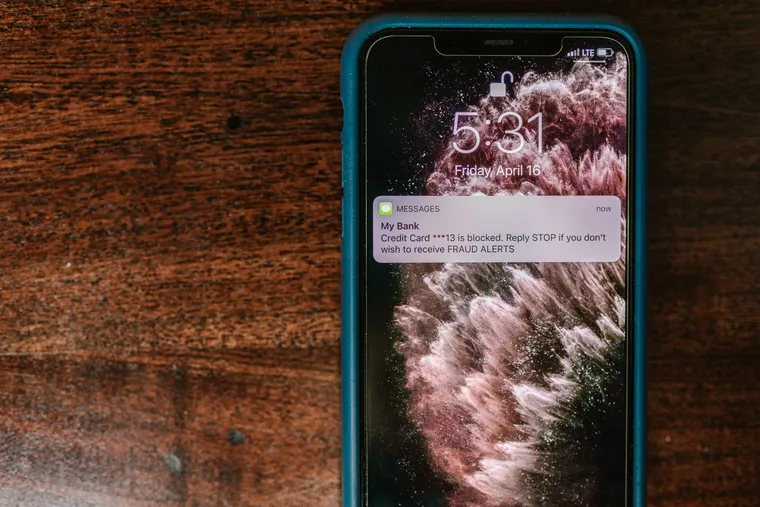
Disputes are harder still for direct payments. For a direct crypto payment to a scammer or a no-show seller, your options are limited, because there is no intermediary with the power to reverse the transfer. You can report the fraud to the platform you used and to law enforcement, but recovery is uncertain at best. A crypto card payment, by contrast, may give you a genuine dispute path against the merchant through the card network. This gap is the same reality that makes direct crypto the payment of choice for con artists, and it is why any message pressuring you to pay a bill, a fine, or an emergency in crypto should set off alarm bells.
When paying with crypto makes sense, and when it does not
Set the hype aside and the sensible uses get narrow but real. Paying with crypto can make sense when you are dealing with a reputable merchant you already trust, when you specifically want to spend a stablecoin that is holding its peg so the tax impact is tiny, or when a cross-border payment would otherwise be slow or expensive through traditional rails. Some people also simply prefer to live more of their financial life in crypto and accept the record keeping as the price of that choice.
It tends not to make sense for large or important purchases where you would badly want the ability to dispute a charge, for anything involving a seller you do not know, or for spending a coin that has climbed a lot in value, since each spend then books a taxable gain and can nudge up your tax bill. And it almost never makes sense when someone you did not initiate contact with is urging you to pay in crypto. That urgency is a classic pressure tactic.
There is also a quieter question worth asking yourself. If you believe in a coin as a long-term holding, spending it on lunch is the opposite of holding it, and you may lock in a taxable event every time. If you treat crypto purely as money to spend, the volatility and the paperwork are the tradeoff. Neither answer is wrong, but it helps to be honest about which camp a given purchase falls into.
To make that tradeoff easier to feel, the calculator below lets you play with a simple what-if. Put in an amount you might otherwise spend today, a holding period, and an assumed yearly return, and it shows what that same money could hypothetically become if you left it invested instead. The numbers are pure illustration, since crypto can fall just as easily as it can rise, but the exercise can help you weigh the real cost of spending a coin you actually believe in against the convenience of using it like cash.
How to pay with crypto more carefully
If you decide to spend crypto, a few habits reduce the odds of an expensive mistake. None of these are complicated, and together they cover the most common ways people get burned.
- Double check the recipient address or QR code before you send a direct payment, because a confirmed transfer to the wrong place is generally unrecoverable.
- Consider spending a stablecoin that is holding its dollar peg rather than a volatile coin, while remembering that converting an appreciated coin into a stablecoin first still realizes the older gain.
- Keep records of the spends that count as disposals, including the date, the dollar value, and your cost basis, or let reputable crypto tax software pull them for you.
- Read a card's full fee schedule, especially the conversion spread, ATM fees, and any monthly charge, and compare it to the rewards you would truly earn.
- Ask any card provider in writing what dispute and unauthorized-transaction rights you have and how refunds are handled, before you rely on the card for anything that matters.
- Treat any unsolicited demand for payment in crypto as a scam signal, no matter how official or urgent the message sounds.
Spending crypto is neither a trap nor a magic upgrade over your debit card. It is a different tool with a different set of rules. The convenience is genuine, especially with a card that makes the tap feel ordinary. The catch is that the ordinary feeling can hide a sale for tax purposes, a payment that sometimes cannot be reversed, and fees that live inside the exchange rate rather than on your receipt. Once you can see those things clearly, and once you know which kind of payment you are making, you can decide for yourself when paying with crypto is worth it, and when swiping the old-fashioned card is simply the smarter move. If you are also weighing the simpler path of converting coins to dollars first, our guide on cashing out crypto to your bank covers that route.
Crypto punishes guesswork faster than any market on Earth.
Volatility is survivable. Not knowing what you own is not. The Financial IQ Test measures your actual money knowledge, from market basics to risk math, so your conviction is built on understanding instead of a feed full of hype.
Test your Financial IQQuestions people ask
Do I really owe tax every time I buy something with crypto?
It depends on how you pay. Because the IRS treats crypto as property, spending coins you are holding is treated as a disposal that creates a capital gain or loss, based on the difference between your cost and the value when you spent them. Spending a dollar-pegged stablecoin that is holding its peg usually produces a negligible gain, though it is still technically a disposal. But if you already converted your crypto to dollars, for example by loading a prepaid card, spending that dollar balance later is not another crypto disposal. Keep records and consider a tax professional if you spend crypto often.
Can I get my money back if I pay with crypto and get scammed?
It depends on the payment type. The CFPB has noted that direct crypto transactions generally cannot be reversed and do not come with chargeback protection like credit cards, so for a direct wallet payment there is typically no intermediary who can undo the transfer. A crypto card routed over a normal card network often does offer dispute rights against the merchant and protection against unauthorized transactions, depending on the program and issuer, so ask your provider exactly what applies before you rely on it.
How does a crypto debit card work at the register, and when is the taxable moment?
When you tap, the card provider pays the merchant in regular money through the card network, so the store never handles crypto. The taxable moment is whenever your coins are actually sold. Some cards convert at the instant you tap, which sets your gain or loss right then. Others, especially prepaid cards, convert when you load value onto the card, so the sale happened at load time and the dollar balance you spend afterward is just ordinary money. The provider may also keep a small spread on the conversion as a fee.
Are the rewards from a crypto card taxable?
It depends on why you earned them. Cashback that is tied to a purchase is generally treated as a rebate that lowers what you paid rather than income, so it is usually not taxed when you receive it. Rewards not tied to spending, such as staking rewards, referral bonuses, and promotional giveaways, are generally treated as income at their value when received. And once you hold any crypto reward, selling or spending it later can create its own capital gain or loss measured from the value when you got it.
Why do so many scams ask for payment in crypto?
Because direct crypto payments are hard to reverse or recover, which is exactly what a fraudster wants. The CFPB has flagged that scammers commonly request crypto for this reason. Treat any unexpected message demanding payment in crypto, especially one claiming to be a fine, a debt, or an emergency, as a serious warning sign, and verify through an independent channel before sending anything.
Is crypto I hold for spending protected if the platform fails?
Generally no. Crypto is not covered by federal deposit insurance the way bank deposits are, and the CFPB has documented complaints about frozen accounts and lost access when platforms ran into trouble. Even if a crypto card's dollar features look familiar, the crypto holdings behind it are a separate thing from an insured bank account, so holding a large everyday spending balance on an exchange or card app carries platform risk.
Keep reading

Bitcoin Explained for Normal People (2026 Edition)
The Crypto Scam Field Guide: Every Major Con and How to Spot It

Crypto Taxes in 2026: What You Actually Owe the IRS
The Flourish Letter
One smart money idea each week, charts included. Join free and get the printable 2026 Money Calendar in your welcome email.