
Key takeaways
- "Pig butchering" blends a slow-built online romance or friendship with a fake crypto investment, and the scammer usually never asks you for money directly. Instead they steer you into an app that shows fake gains.
- The FBI's IC3 reported about $5.8 billion in crypto investment fraud losses across 41,557 complaints in 2024, a 47 percent rise in losses from the prior year, with people 60 and older reporting the most. These are losses reported to IC3, which takes complaints from the public.
- People 60 and older reported about $2.8 billion in crypto fraud losses to IC3 in 2024 across roughly 33,369 complaints, more than any other age group.
- A small withdrawal that actually works is a known hook used to build your confidence. A successful cash-out does not prove the platform is legitimate.
- Any demand to prepay a tax, fee, or verification charge to unlock your funds is part of the scam. Paying it never releases money.
- The FTC's clearest rule: if someone you met online wants to show you how to invest in crypto or asks you to send crypto, treat it as fraud.
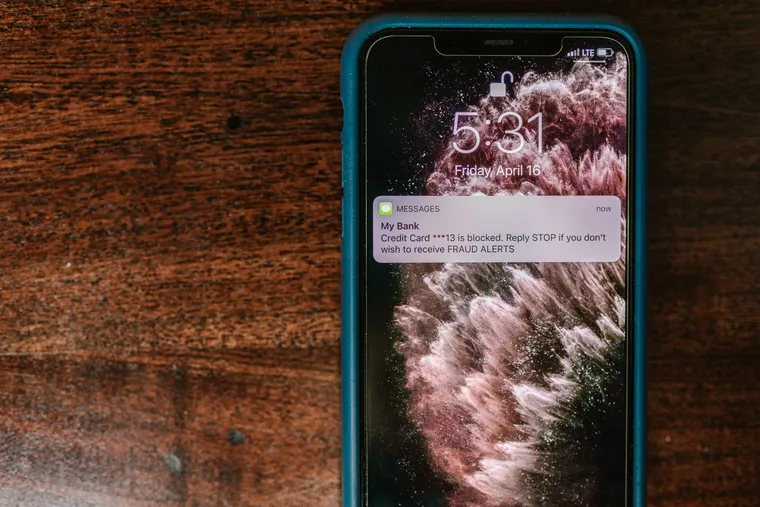
Imagine a text arrives from a number you do not know. The message sounds like a wrong number. Something friendly, like "Hey David, are we still on for lunch?" You reply that they have the wrong person. Instead of vanishing, they apologize, start chatting, and they turn out to be charming. Over the next few weeks you talk every day. Then, almost in passing, they mention how well they are doing with cryptocurrency, and they offer to show you how.
That is the opening move of one of the costliest scams in the country right now. Law enforcement and the press often call it "pig butchering," which is a blunt translation of a phrase describing how a farm animal is fattened up before slaughter. The idea behind the ugly name is that the scammer spends weeks building trust and feeding your hope before taking everything at once. It blends an old romance con with a fake crypto investment, and it is designed to work on smart, careful people, not just the naive.
This guide walks through how the scam actually unfolds, what the numbers look like according to federal reports, the warning signs regulators have published, and the plain rules that keep your money where it belongs. Nothing here is technical. If you can text and open an app, you can learn to spot this.
Why this scam is different from a classic romance con
In a traditional romance scam, the sweetheart you met online eventually asks you to send money. Maybe for a plane ticket to finally visit, maybe for a medical emergency, maybe for a customs fee on a package. The ask is direct, and plenty of people have learned to recognize it.
The crypto version is sneakier because the scammer usually does not ask you for a dime. Instead, they position themselves as a successful friend or partner who wants to help you get rich. They walk you through opening an account on what looks like a real trading platform. They may even let you talk to a fake "customer support" team or a fake "financial advisor." The money you send does not go to your new friend, at least not visibly. It goes into an app or website that shows a balance climbing day after day.
That fake dashboard is the heart of the trick. The Federal Trade Commission describes how these investment websites and apps let you track the growth of your crypto, but the growth is not real. You are looking at numbers on a screen that the scammer fully controls. Nothing is actually being invested. Your deposit was simply moved into a wallet you will never see again, and the rising balance is a stage prop.
Part of what makes the illusion hold is how ordinary it all looks. The website may carry a real sounding company name, a support chat, account statements, even a mobile app you can download. None of that costs much to fake, and scammers reuse the same polished templates across thousands of victims at once. A professional appearance is not evidence of anything. It is the cheapest part of the whole operation, and it is built to quiet the exact doubts a careful person would have.
The small withdrawal that seals the trap
Here is the detail that fools even cautious people. Early on, many victims are encouraged to pull out a small amount, a "test" withdrawal, and it works. A few hundred dollars really does land in their bank account. That single successful cash-out feels like proof the platform is legitimate, so they relax and put in far more. The FTC has documented exactly this pattern, describing a small test withdrawal that goes through just well enough to convince someone it is safe to go all in. Here is the part worth burning into memory: a withdrawal that clears does not prove the platform is real. It is a hook, not evidence, and treating it as a green light is precisely the mistake the scam is built to produce.
When you later try to withdraw a serious sum, the story changes. Suddenly there is a "tax" you must prepay, or a "fee" to unlock your account, or an identity verification step that costs money. Each payment is described as the last thing standing between you and your balance. The U.S. Secret Service, which investigates these cases, lists demands for fees to access funds or unlock profits as a classic warning sign. Those fees are just more theft. Paying them never releases the money, because there is no money to release.
What the federal numbers show
You do not have to take a blog's word that this is serious. The FBI runs the Internet Crime Complaint Center, known as IC3, and publishes a report every year. In its 2024 Annual Report, the FBI reported that cryptocurrency investment fraud, the category that includes pig butchering, accounted for about 41,557 complaints and roughly $5.8 billion in losses reported to IC3, which was a 47 percent jump in losses from the prior year. Across every category where crypto was involved, people reported losing about $9.3 billion to IC3 in 2024 over 149,686 complaints, and the single age group reporting the most was people 60 and older.
One honest caveat about those totals. IC3 collects complaints submitted by the public, and it accepts reports from victims inside and outside the United States, so these figures are best understood as losses reported to IC3 rather than a verified United States only tally. The center does not independently confirm every dollar, either. The numbers are enormous and directional, and they are the best national picture we have, but they are reports, not an audited accounting.
The toll on older adults stands out in the same report. People 60 and older reported about $2.8 billion in crypto fraud losses in 2024, filed across roughly 33,369 complaints, more than any other age group. That does not mean younger people are safe. It often means the losses among seniors run larger per case, partly because more retirement savings sit within reach. A related and fast growing twist involves crypto ATMs, the kiosks that turn cash into digital currency. The FBI logged 10,956 complaints and about $246.7 million in losses tied to those machines in 2024, with scammers frequently directing frightened victims to feed cash into a kiosk on the spot.
Those figures only cover crimes people actually reported. Many victims never come forward because they feel embarrassed, so the real total is understood to be larger. Remember too that these are reference numbers from the FBI's 2024 report, not a prediction about any future year.
The FTC tracks the romance angle specifically and has reported that people lose heavily when a crush turns into a crypto pitch. In a data analysis covering early 2021 into 2022, the agency described a median individual loss on the order of $10,000 for romance scams paid in cryptocurrency. A median means half of reported losses were smaller and half were larger, so plenty of people lost much more. The point is not the exact dollar figure, which shifts from report to report. The point is that this is not a nickel and dime scheme. It is built to drain savings, retirement accounts, and sometimes borrowed money.
How the con usually unfolds, step by step
Scammers follow a script because the script works. Knowing the stages ahead of time is like having read the ending of a magic trick. Once you see the moves coming, the illusion falls apart.
Not every case hits every beat in this order, and some skip the romance entirely and pose as a mentor, a networking contact, or a long lost acquaintance. But the shape is remarkably consistent. The relationship moves fast, the money talk arrives wrapped in affection or friendship, the platform looks professional, and the exit is blocked by fees. If you can name the stage you are in, you can step out of it.
The warning signs regulators have published
The Commodity Futures Trading Commission, which is a federal regulator, put out an advisory listing warning signs of online financial romance fraud. The FTC and the Secret Service echo the same themes. None of them require you to be a finance expert. They are mostly about behavior, not about charts.
A few of these deserve a closer look because they feel innocent in the moment.
Moving you to a private chat app. A match on a dating site or a contact on social media quickly suggests switching to a private messaging app. On a dating platform there are at least some safety tools and the ability to report a profile. On a private app, the scammer is harder to trace and the conversation is out of anyone's sight. The push to go private is not romantic eagerness. It is operational.
Never able to meet or do a live video call. There is always a reason. They are deployed overseas, working on an oil rig, traveling for business, or stuck with a broken camera. Weeks pass and you have never seen them live and unscripted. A person who cannot ever appear on a spontaneous video call may not be the person in the photos at all.
Wealth from secret or inside information. They hint that their returns come from a special tip, an algorithm, a connection, or inside knowledge. Real investing does not work on magic secrets handed to strangers, and misusing confidential information can itself break the law. This is bait dressed up as generosity.
A platform that only takes crypto. They steer you to a specific trading website or app, and it only accepts cryptocurrency for deposits. Crypto is attractive to scammers for one reason above all. As the FTC points out, crypto payments usually cannot be reversed, there is no bank or card company to claw the money back, and once it is sent you can generally only get it back if the recipient chooses to return it. They will not.
The single clearest rule the FTC gives is this: if someone you meet on a dating site or app wants to show you how to invest in crypto, or asks you to send crypto, it is a scam. When affection and investment advice arrive from the same online stranger, treat the whole thing as fraud.
It is worth sitting with how absolute that rule is. It does not say be careful, or do your homework first. It says the combination itself, affection or friendship plus a crypto pitch from the same online person, is the scam. That is unusual for consumer advice, which normally hedges and leaves room for exceptions. The regulators are that blunt because they have watched how rarely the warm version turns out to be anything other than theft.
Why intelligent, careful people fall for it
It is tempting to think this only happens to people who are gullible. The FBI's own data cuts against that. In an effort called Operation Level Up, the bureau said it contacted thousands of people it had identified as victims of crypto investment fraud, and a large majority of those contacted did not even realize they were being scammed when the FBI reached them. These were people in the middle of the con who still believed their investment was real.
The reason is that the scam does not attack your intelligence. It attacks your emotions and your sense of time. The relationship is built slowly and genuinely feels like a friendship or a romance. By the time money enters the picture, you trust this person more than you trust a warning from a stranger. The fake dashboard rewards you with visible gains. The small successful withdrawal flatters your judgment. Every step is engineered so that walking away feels like paranoia and staying feels like loyalty. That is why education matters more than confidence. You cannot out think a feeling you did not know was being manufactured.
There is also a trap that works quietly against you, the pull of money already spent. After you have put in real cash and watched the balance climb, walking away feels like locking in a loss, while one more deposit feels like protecting what you have already built. The scammer leans on that instinct hard. Every request for a new payment is framed as the final step to free a much larger sum, so quitting always seems to cost more than continuing. In reality the balance on the screen was never yours, so there is nothing left to protect by paying more.
It can help to picture what honest investing actually looks like, because the contrast is the tell. Real money grows slowly and unevenly, with no guarantees. A scammer's dashboard, by comparison, climbs in a smooth, thrilling line that no genuine market delivers. Move the sliders below to see how a steady, realistic return builds over time. It is far less exciting than a fake screen promising to double your deposit in a month, and that boredom is exactly the point.
These groups are also, tragically, often running an industrial operation. Many of the people on the other end of the chat are themselves victims of human trafficking, forced to run scripts in compounds overseas. That does not make your loss their fault to repay, and it does not change what you should do. It simply explains why the messages are so polished and so relentless. You are not chatting with a lone amateur.
How to help someone you love who might be caught
Sometimes the person at risk is not you. It is a parent, a sibling, or a friend who has grown quiet about a new online relationship and defensive whenever money comes up. Confronting them bluntly often backfires, because the scammer has usually spent weeks painting everyone else as jealous or unable to understand. A gentler path tends to work better.
Lead with curiosity instead of accusation. Ask how they met, whether they have ever spoken on live video, and how the investment platform works. Let the gaps surface in their own words rather than lecturing. Share a news story about this exact scam and talk about it as something happening to lots of ordinary people, which lowers the shame. If they are willing, offer to sit with them while they try to make a full withdrawal, because the inevitable demand for a surprise fee is often the moment the spell finally cracks. Patience and staying connected matter more than winning a single argument, since isolation is the one condition the scam needs most.
The simple rules that keep you safe
You do not need to memorize every tactic. A handful of firm rules, applied without exception, defeats nearly all of these scams.
- - Never take investing advice, or send money, based on a relationship that exists only through a screen. If you have never met in person and had it confirmed, the romance and the investment are both suspect.
- - Treat any guaranteed return as proof of a scam. The FTC is direct about this. Only scammers guarantee profits or big returns. No real crypto investment is guaranteed to make money.
- - Keep the conversation off private apps until you have met in real life, and keep a trusted friend or family member in the loop. Scammers push for secrecy and isolation precisely because an outside voice breaks the spell.
- - Verify independently. Search the person's job plus the word "scammer." Run a reverse image search on their profile photo to see if it belongs to someone else. Look up any investment firm on your state and federal regulator websites, as the Secret Service recommends.
- - Do not let a small withdrawal that works lower your guard. A successful test payout is a known hook, and it does not prove the platform is real.
- - Any demand for a fee, tax, or verification payment to unlock your own funds is a scam, full stop. Legitimate platforms do not hold your balance hostage behind surprise charges.
If you want a broader tour of the other cons in this space, our crypto scam field guide walks through the full menu, and it pairs well with the habits above.
What to do if you think you are in one right now
If any of this is hitting close to home, slow down before you send another dollar. The hardest and most important move is to stop paying, even though every instinct the scammer has built in you says one more payment unlocks everything.
First, cut off contact and stop sending money. Do not announce it to the scammer or argue with them. Just stop. Second, write down everything while it is fresh. Save the chats, the phone numbers, the wallet addresses you sent to, the name of the app or website, and your transaction records. Third, report it. The FTC takes reports at ReportFraud.ftc.gov, and the FBI takes them at ic3.gov. Reporting will not usually get your money back, but it feeds the investigations that shut these operations down and occasionally allows funds to be frozen before they disappear. If you sent money very recently, it is still worth immediately asking the exchange or platform you used whether anything can be held or reversed, because speed is the only thing that ever helps there.
It also helps to write a simple timeline of what happened, with dates and dollar amounts, before you file your reports. Investigators work from details, and a clear record of every transfer, every wallet address, and every alias the scammer used gives them more to act on. Keep a copy for yourself too, in case your bank, the platform, or a tax professional needs it later.
Fourth, protect your other accounts. If you gave the scammer any identity documents, banking details, or passwords, change passwords and alert your bank. And brace yourself for the follow up con. Victims of this scam are frequently contacted later by a second group claiming they can recover the lost crypto. The red flags are specific: an offer that arrives out of the blue, a promise or guarantee that your funds will come back, or a demand that you prepay a fee supposedly needed to release money that has already been recovered. Any of those three points to a second scam aimed at people already burned once, and the FBI notes that private firms cannot issue the seizure orders that actually freeze crypto. That is different from help you seek out and verify on your own. A blockchain forensics firm, or a licensed attorney who can pursue civil litigation or file a claim against assets the government has seized, may charge for genuine work, and the FBI itself lists civil litigation among the possible routes to recovery. The line is not simply whether money changes hands. It is whether the offer came to you unsolicited, whether anyone guarantees a result, and whether you have independently confirmed who you are dealing with. We cover that trap in detail in our guide on crypto recovery scams.
One more thing, and it matters. If this happened to you, it was not because you are foolish. These operations defeat careful, educated, financially savvy people every day, on purpose, with a playbook refined over years. Embarrassment keeps victims silent, and silence is exactly what lets the scam keep working on the next person. Telling someone you trust, and telling the authorities, is not an admission of weakness. It is the thing that starts to fix it.
A quick gut check you can use this week
If you take nothing else from this, keep one test in your back pocket. Any time an online connection, no matter how warm or how long you have talked, starts guiding you toward a crypto investment, pause and ask a single question out loud: would I be comfortable explaining this, in full detail, to my most skeptical relative or my bank? If the honest answer is that you would rather keep it private, that discomfort is the warning sign the regulators keep describing. Trust it. Real friends and real investments both survive a little daylight. This scam does not.
Crypto punishes guesswork faster than any market on Earth.
Volatility is survivable. Not knowing what you own is not. The Financial IQ Test measures your actual money knowledge, from market basics to risk math, so your conviction is built on understanding instead of a feed full of hype.
Test your Financial IQQuestions people ask
Why is it called pig butchering?
The name is a blunt translation of a phrase describing how a farm animal is fattened up before being slaughtered. Scammers spend weeks "fattening" a victim with affection, friendship, and fake investment gains before taking everything at once. It is an ugly term, but it captures how patient and deliberate the con is.
If I can make a small withdrawal from the platform, does that mean it is real?
No. A successful withdrawal does not establish that a platform is legitimate. The FTC has documented that scammers deliberately let victims pull out a small "test" amount early, precisely to build confidence before the person invests a much larger sum they will never get back. Being able to cash out a little is a known hook, not proof of anything, so do not treat it as a green light.
Can I get my money back after I realize it was a scam?
Usually it is very difficult. Crypto payments generally cannot be reversed, and there is no bank or card company to claw the funds back. If you sent money very recently, immediately ask the exchange or platform whether anything can be frozen, and report it to the FBI at ic3.gov and the FTC at ReportFraud.ftc.gov. Reporting fast occasionally allows funds to be held, and the FBI lists civil litigation as one possible recovery route, but no outcome is guaranteed and recovery is often limited.
Someone contacted me offering to recover my lost crypto for a fee. Is that legitimate?
Be very cautious. Victims of this scam are frequently targeted a second time by people promising to recover funds. Treat it as a likely follow up scam if the offer arrived unsolicited, if anyone guarantees your money back, or if you are asked to pay a fee to release funds that have supposedly already been recovered. The FBI also notes that private firms cannot issue the seizure orders that freeze crypto. That is different from help you seek out and verify yourself, such as a blockchain forensics service or a licensed attorney who can explore civil litigation or a claim against assets the government has seized. The FBI lists civil litigation as one possible recovery route. The test is whether the offer came to you out of the blue, whether it promises a guaranteed result, and whether you have independently checked who you are dealing with.
Does this only happen to older or inexperienced people?
No. The FBI's own outreach effort found that a large majority of the victims it contacted did not even realize they were being scammed at the time. The con attacks emotions and trust, not intelligence, and it routinely fools careful, financially literate people. People 60 and older reported the most crypto losses to IC3 in 2024, about $2.8 billion, but victims span every age group.
What is the single easiest rule to protect myself?
Never take investment advice from, or send crypto to, someone you have only met through a screen. The FTC puts it plainly: if an online connection wants to show you how to invest in crypto or asks you to send crypto, treat the whole thing as a scam, no matter how long or warmly you have talked.
Keep reading

Bitcoin Explained for Normal People (2026 Edition)
The Crypto Scam Field Guide: Every Major Con and How to Spot It

Crypto Taxes in 2026: What You Actually Owe the IRS
The Flourish Letter
One smart money idea each week, charts included. Join free and get the printable 2026 Money Calendar in your welcome email.