Cut Your Home Energy Bill: A Room-by-Room Playbook
Key takeaways
- Heating and cooling eat roughly half of a typical home's energy spending, so the thermostat and the building envelope are where real savings start.
- The Department of Energy estimates a daily 7 to 10 degree thermostat setback for 8 hours can cut heating and cooling costs by around 10% a year.
- A one-hour DIY energy audit finds the drafts, leaks, and always-on devices that quietly inflate every bill you pay.
- An under-$75 kit of LEDs, weatherstripping, and a low-flow showerhead typically pays for itself within the first year.
- Federal energy-efficiency tax credits ended for projects placed in service after 2025, but state-run rebates and utility programs still pay real money in 2026.
- Redirect $60 a month of energy savings into investments at a 7% return and you are looking at more than $10,000 in ten years.
Utility bills have a special talent for feeling non-negotiable. The number arrives, it is somehow higher than last year, and you pay it, because what else are you going to do, live in the dark? Here is the thing the bill never tells you: a typical home wastes a meaningful slice of every energy dollar on drafts, standby electronics, an overworked water heater, and a thermostat running a schedule nobody actually lives by. None of that waste is visible on the statement. This playbook walks the whole house, starting with moves that cost zero dollars, and shows you where the money actually goes.
Where Your Energy Dollar Actually Goes
Federal residential energy surveys tell a consistent story: space heating and air conditioning together consume roughly half of a typical home's energy, water heating takes another large bite, and the long tail of appliances, lighting, and electronics splits the rest. The exact mix depends on your climate, the age of your home, and your fuel types, which is why your neighbor's miracle fix may do nothing for you.
The strategic takeaway is simple: effort should follow dollars. An afternoon spent sealing drafts and programming the thermostat is worth more than a year of fretting about phone chargers. We will go in that order, biggest lever first, but we will start with the part that costs nothing.
The Free Moves: Do These This Week
Every item in this section costs $0 and most take minutes.
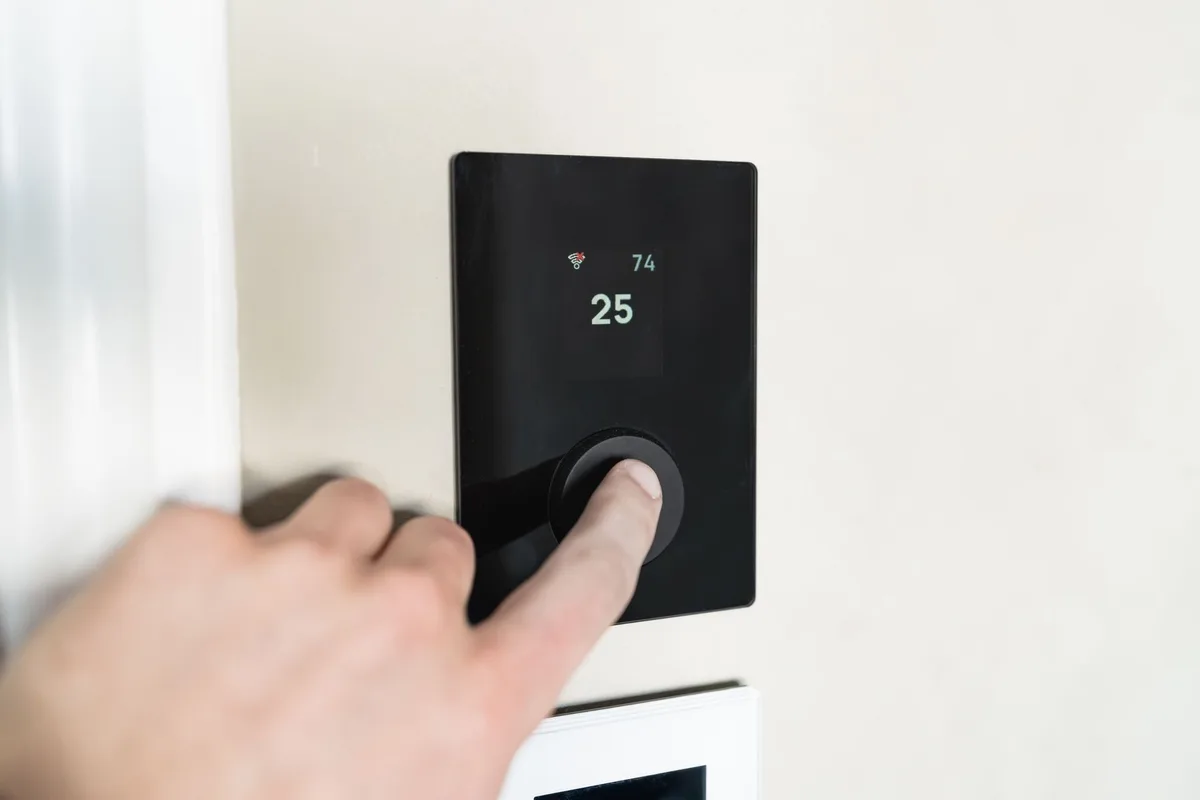
- Set a real thermostat schedule. The Department of Energy estimates that turning your thermostat back 7 to 10 degrees from its normal setting for 8 hours a day, while you sleep or while the house is empty, can save around 10 percent a year on heating and cooling. That is the single highest-value free move in this article.
- Turn the water heater down to 120 degrees. Many tanks ship set at 140. Dropping to 120 cuts standby heat loss, slows mineral buildup, and reduces scald risk. Most households never notice the difference.
- Wash clothes in cold water and run full loads. Heating the water is most of a laundry load's energy cost. Modern detergents are formulated for cold.
- Use fans to move the thermostat, not just air. A ceiling fan lets most people feel comfortable about 4 degrees warmer in summer. Spin it counterclockwise in summer, clockwise on low in winter, and turn it off when you leave, because fans cool people, not rooms.
- Work the curtains. Open south-facing curtains on winter days for free solar heat and close them at night to slow heat loss. Reverse the routine in summer.
- Clear vents and clean refrigerator coils. Blocked supply vents and dust-caked coils force motors to work harder for the same result.
- Match the pot to the burner and use lids. Small kitchen physics, small but free savings.
The Under-$75 Kit That Pays for Itself
If you spend one tank of gas worth of money on this problem, spend it here. A short shopping list, roughly $75 total, attacks the most common leaks in American homes:
- LED bulbs for your most-used fixtures. LEDs use at least 75 percent less energy than incandescent bulbs and last years longer. Replace the bulbs that burn the most hours first: kitchen, living room, porch.
- Weatherstripping and a door sweep. If you can see daylight around an exterior door or feel a draft, you are paying to heat the outdoors. Twenty minutes with a $15 kit closes the gap.
- Caulk for window frames and penetrations. Seal where window trim meets the wall and where pipes and cables enter the house. Air sealing is consistently among the cheapest efficiency wins in any home.
- Foam gaskets for outlets on exterior walls. They cost pennies each and block a surprising amount of infiltration.
- A low-flow showerhead. A good 1.8 gallon-per-minute model feels fine and trims both water and water-heating costs every single day.
- A smart power strip for the entertainment center. It cuts standby power to the TV's entourage of boxes and soundbars when the TV goes off.
Heating and Cooling: The Half-the-Bill Lever
Because heating and cooling dominate the budget, small percentage improvements here outweigh big ones elsewhere.
Change the filter. A clogged filter strangles airflow and makes the system run longer for the same comfort. Check monthly during heavy seasons, replace at least every three months, and consider a subscription so it actually happens.
Automate the setbacks. A smart thermostat earns its keep not through intelligence but through consistency. It applies the schedule you would apply yourself if you never forgot, and many utilities discount or rebate them outright.
Seal and insulate the ducts you can reach. Leaky ducts in attics, garages, and crawl spaces dump conditioned air where nobody lives. Sealing accessible runs with mastic or foil tape, never cloth duct tape despite the name, is a high-payback weekend project.
Top up attic insulation. If you can see the ceiling joists when you peek into the attic, you likely need more. This one costs real money, often several hundred dollars DIY, but in older homes it can return its cost within a few years and then keep paying forever.
Service what you own before replacing it. A tuned system with clean coils and correct refrigerant charge runs measurably cheaper. When a heating or cooling system does die, compare a high-efficiency heat pump against a like-for-like replacement. In much of the country heat pumps now both heat and cool for less, and utility incentives often sweeten the swap.
Water Heating: The Quiet Second Place
Your water heater works around the clock whether anyone is home or not. Beyond the free 120-degree adjustment, three upgrades matter. Insulate the first few feet of hot water pipe leaving the tank with foam sleeves, a $15 job. If your tank is older and feels warm to the touch, an insulating blanket can help, though check your manual first since some newer tanks prohibit them. Shorter showers beat almost any gadget; a household that trims two minutes per shower saves on water and heat every day. And when the tank eventually fails, a heat pump water heater uses a fraction of the electricity of a standard electric tank, which can make it the cheapest long-run option even at a higher sticker price.
Electronics and the Always-On Problem
Devices that are never truly off, from game consoles to cable boxes to that garage fridge chilling three sodas, can account for up to roughly a tenth of household electricity. The fixes are mundane and effective: enable the energy-saver or auto-sleep mode on consoles and TVs, plug entertainment clusters into smart strips, unplug the chargers and gadgets you rarely use, and honestly evaluate whether the second refrigerator earns its monthly cost. A $20 plug-in watt meter turns the whole hunt into a game: measure each suspect for a day and the worst offenders reveal themselves.
Attack the Bill Itself, Not Just the Usage
Two households using identical energy can pay different amounts, because the rate plan matters too.
Ask about time-of-use rates. Many utilities charge less at night and on weekends. If you can shift laundry, dishwashing, and EV charging to off-peak hours, a time-of-use plan can cut costs without changing how much you use. If your evenings are peak-everything, the standard plan may be safer. Run your last 12 months of usage through the utility's own rate comparison tool; most major utilities offer one.
Take the free audit. Many utilities offer free or cheap home energy audits, sometimes with free LEDs, smart strips, and weatherstripping installed on the spot. It is one of the most underused freebies in personal finance.
Check for rebates before you buy anything. Utility rebate catalogs cover thermostats, insulation, appliances, and HVAC. Five minutes of checking before a purchase is the difference between paying full price and not.
If money is tight, ask for help. The federal LIHEAP program helps eligible households with heating and cooling bills through state agencies, and utilities run their own assistance and weatherization programs. These exist to be used.
The 2026 Rebate and Tax Credit Reality
One important update for 2026 planning: the federal Energy Efficient Home Improvement Credit and the Residential Clean Energy Credit ended for property placed in service after December 31, 2025, under the 2025 tax law. So do not budget around a federal tax credit for this year's insulation, windows, or heat pump the way guides written before 2026 suggested. The IRS page on the credit confirms the rules and timing.
What still pays in 2026: state-administered home energy rebate programs funded through the Department of Energy continue operating in many states, often with the biggest dollars reserved for lower- and middle-income households and for heat pumps and electrical upgrades. Utility rebates remain alive and well everywhere. Before any major efficiency purchase, check your state energy office and your utility's rebate catalog. The money has moved; it has not all disappeared.
Kitchen and Laundry: Appliance Habits That Quietly Add Up
No single kitchen habit will transform a bill, but the kitchen and laundry room together run every day of the year, so the habits compound.
Let the dishwasher do its job. A full dishwasher on a normal cycle typically uses less hot water than the same dishes washed by hand under a running tap. The savings moves are to run it full, skip the pre-rinse since modern machines and detergents handle scraped plates fine, and use the air-dry setting instead of heated dry. That last button alone trims a meaningful slice of each cycle's electricity.
Right-size the cooking appliance to the meal. Heating a full-size oven to bake two potatoes is paying to condition a metal box you are not using. Microwaves, toaster ovens, air fryers, and slow cookers cook small meals with a fraction of the energy, and in summer they add far less heat for the air conditioner to fight. Save the big oven for big jobs, and resist opening the door to peek, since each peek dumps a chunk of the heat you paid for.
Set the refrigerator correctly and keep it happy. Aim for 35 to 38 degrees in the fridge and 0 in the freezer. Colder than that buys nothing but cost. Leave breathing room around vents inside, keep the door seals clean and tight, and test a suspect seal by closing the door on a dollar bill: if it slides out with no resistance, the gasket is leaking cold air all day.
Run the dryer like it costs money, because it does. Clean the lint screen every single load for airflow and safety, dry similar fabrics together so the cycle ends when the clothes do, and run loads back to back to reuse the heat already in the drum. Use the moisture sensor setting rather than a fixed timer, and remember that the cheapest dryer cycle is a drying rack, especially for the heavy items that monopolize machine time.
A Season-by-Season Money Checklist
Energy waste is seasonal, so the maintenance should be too. Four short checklists, fifteen minutes each, keep the whole year tuned.
- Spring: have the air conditioner serviced before the first heat wave, when technicians are cheap and available. Hose debris off the outdoor unit and clear two feet of clearance around it. Flip ceiling fans to counterclockwise. Re-caulk anything winter cracked open, because the same gaps that leak heat in January leak cool air in July.
- Summer: close blinds on the sunny side during the day, grill or cook small-appliance meals instead of running the oven, and set the thermostat as warm as comfort allows while using fans to make it feel several degrees cooler. Run the dishwasher and laundry at night if you are on a time-of-use rate.
- Fall: service the furnace and replace the filter before heating season. Reverse the ceiling fans to clockwise on low. Walk the house with the back of your hand on a windy day and refresh weatherstripping wherever you feel movement. Drain a few quarts from the water heater tank to flush sediment if your manual allows it.
- Winter: run the thermostat setback schedule hard, since the savings are biggest when the indoor-outdoor gap is biggest. Lock windows to pull sashes tight against their seals. Apply shrink-film kits to the leakiest windows; they cost a few dollars each and noticeably calm a drafty room. Open curtains to the south sun by day, close them at dusk.
Repair or Replace? Do the Energy Math
When an appliance falters, the repair quote is only half the question. The other half is what the old unit costs to run. Refrigerators are the classic case: a unit from the early 2000s or before can use twice the electricity of a modern efficient model, which means an aging second fridge in the garage can cost more per year in power than its contents are worth. A common rule of thumb says replace when a repair exceeds half the cost of a comparable new unit and the appliance is past the midpoint of its expected life, but tilt the decision further toward replacement when the new model carries a large efficiency gain and a utility rebate. When you do shop, the ENERGY STAR label and the yellow EnergyGuide tag turn operating cost into a number you can compare side by side, which is exactly how a $50 price difference on the sticker can hide a $300 difference over the appliance's life.
Energy Myths That Cost Real Money
A few popular tips deserve retirement. Closing vents in unused rooms does not save energy in most forced-air homes; it raises duct pressure, strains the blower, and can worsen leaks. Leaving ceiling fans running in empty rooms cools nobody, since fans cool skin, not air. Hand-washing dishes to save money usually backfires against a full, efficient dishwasher. Screensavers save no energy at all; sleep mode does. And the plug-in gadgets sold as whole-home power factor correctors do nothing measurable on a residential bill. When a product promises to slash your bill without reducing how much energy anything uses, the only thing it reliably lightens is your wallet.
The Renter's Version
No attic access, no HVAC decisions, no problem. Renters control more than they think: the thermostat schedule, LED bulbs you can take with you, removable weatherstripping and window film, the water heater dial if the unit is inside your apartment, smart power strips, fans, curtains, and laundry habits. That list covers most of the free and under-$75 sections above. For drafty windows or a struggling furnace, document the issue and ask the landlord in writing; efficiency problems are maintenance problems, and some states require minimum standards. And if you pay your own utilities, you, not the landlord, capture every dollar these habits save.
Turn Savings Into Wealth
Suppose the moves above trim a combined $60 a month, a realistic outcome for a home that starts with no schedule on the thermostat and a 140-degree water heater. Left alone, that $60 evaporates into the rest of the budget. Redirected automatically into investments earning 7 percent a year, it grows to more than $10,000 in a decade. Even parked in a high-yield savings account, it becomes a four-figure emergency cushion that did not exist before. Try your own numbers:
Pick three free moves tonight, spend $75 this weekend, and put the utility's audit and rebate pages on your to-do list. Your house is already telling you where it leaks. Now you know how to listen.
Everything you save starts with something you know.
Knowing how interest, insurance, and fine print really work is the discount that applies to everything for the rest of your life. The Financial IQ Test scores that knowledge across 90 tests and shows you where the expensive gaps are.
Test your Financial IQQuestions people ask
Is it cheaper to keep the thermostat at one temperature all day?
No, that is a persistent myth. Your home loses heat faster when the indoor-outdoor temperature gap is bigger, so letting the house drift cooler in winter while you sleep or work genuinely reduces total energy use. The furnace does run longer to recover, but it uses less energy than it would have spent holding the higher temperature for all those hours. A programmable or smart thermostat automates the whole routine.
Do space heaters save money?
Only in one narrow case: heating a single small room while keeping the rest of the house meaningfully colder. A typical 1,500-watt space heater running 8 hours a day adds roughly $50 a month at average electricity rates, so using one while the central heat stays at normal temperature raises your bill instead of lowering it. Zone heating works; supplemental heating on top of normal heating does not.
Are LED bulbs still worth switching to?
Yes, and it is one of the fastest paybacks in this entire guide. The Department of Energy notes LEDs use at least 75% less energy than the old incandescent bulbs and last far longer. If any incandescent or halogen bulbs are still glowing in your fixtures, replacing the ones you use most pays for itself within months.
How do I find which devices waste power when they are off?
Walk the house at night and look for glowing lights and warm power bricks. Game consoles, cable boxes, older TVs, desktop computers, and anything with a remote control draw standby power around the clock. A $20 plug-in electricity meter tells you exactly what each device costs, and a smart power strip cuts the standby draw automatically. Always-on devices can account for up to roughly a tenth of a home's electricity use.
Does budget billing from my utility save money?
No. Budget billing averages your expected annual cost into equal monthly payments, which smooths the bill but does not shrink it. The utility settles the difference with you later, so you pay for every kilowatt-hour either way. It is a fine cash-flow tool for people who dread winter spikes, but treat it as smoothing, not saving. The savings come from using less, not paying evenly.
Can I get help paying my energy bill?
Possibly. The federal Low Income Home Energy Assistance Program, known as LIHEAP, helps eligible households with heating and cooling costs and is run through state agencies. Many utilities also offer their own hardship programs, payment plans, and free weatherization help for qualifying customers. It costs nothing to ask your utility what programs you qualify for.
Keep reading

50 Real Ways to Save Money in 2026, Ranked by Effort
The Subscription Audit: Find and Cancel Your Money Leaks

The Grocery Savings System: Cut Your Food Bill 25%
The Flourish Letter
One smart money idea each week, charts included. Join free and get the printable 2026 Money Calendar in your welcome email.