How to Save Money Buying Secondhand Without Getting Burned
Key takeaways
- Buying secondhand lets someone else absorb the steep first drop in value that new goods take the moment they leave the store, so the same item often costs a fraction of retail.
- Favor used for simple, durable, easy to inspect items like solid wood furniture, tools, cookware, and barely worn clothing, and lean toward new for mattresses, child car seats, and helmets, where hidden wear or safety is the concern.
- Check the right federal source for used child gear. Use the CPSC recall database for toys, cribs, and nursery furniture, and NHTSA's recall lookup plus its used car seat safety checklist for any car seat, since an intact looking item can still be recalled or outdated.
- A few minute inspection protects you, because most used sales are final. Test anything with a plug or moving parts, inspect soft items for bed bugs, and price in any needed repair before deciding it is a deal.
- Run the honest total with tax on both sides. Used price plus any applicable sales or use tax, repair, cleaning, and delivery, compared to the real new price with its own tax and fees, since for profit resale and consignment shops often charge tax too and a low sticker can hide a close call.
- Patience and timing win. Start looking before you need an item, shop a season ahead of peak demand, and always walk away from a deal that feels off.
There is a quiet bit of math most of us never stop to run. When you buy something brand new, a good chunk of what you pay is simply the price of being the first owner. The box, the showroom, the fresh smell, and the bragging rights all carry a premium, and a lot of that premium vanishes the moment the item leaves the store. Buying secondhand is just a way to stand one step back in line and let someone else swallow that first drop in value.
That is not a fringe idea, and it is not only for people who are strapped for cash. Plenty of careful, well off households furnish rooms, dress their kids, and stock their garages almost entirely from the used market because the discounts are large and the quality is often fine. The trick is knowing which categories are worth buying used, which ones are not, and how to look an item over so a cheap price does not turn into an expensive mistake. Get those three things right and the used market stops feeling like a gamble and starts feeling like a skill, one that pays you back every single time you shop.
The supply out there is enormous, which is the first reason prices can be so low. The Environmental Protection Agency estimated that about 12.1 million tons of furniture and furnishings reached the end of the line in 2018 and entered the municipal waste stream, and about 80 percent of that was landfilled. It is worth being careful about what that number does and does not say. The EPA counts these goods after their primary use and after any reuse by later owners, so the figure describes what finally gets thrown out, not a tug of war between the trash and the resale shop. Clothing and footwear told a similar story, with about 13 million tons generated that year and only about 13 percent of it recycled. What these waste figures really tell a shopper is that households part with an enormous volume of goods, and separate from the pile that gets discarded, a steady share of still usable items flows into resale shops, online marketplaces, and estate sales. That flow is why you almost never have to settle, and why patience pays.
Why the discount is real, not a trick
New goods lose value fast, and the steepest loss usually happens right at the beginning. A sofa that cost a thousand dollars does not become worthless, but a gently used version of the same sofa might sell for three or four hundred because the person selling it just wants it gone before they move. You are not buying a lesser product. You are buying the same product after the first owner has already paid for the privilege of unwrapping it.
This is cleanest with durable things that do not wear out quickly and do not change much year to year. Solid wood furniture, cast iron cookware, hand tools, musical instruments, sporting equipment, serving dishes, and picture frames can last for decades, so the age of the item matters far less than its condition. A twenty year old solid oak dresser can easily outlast a new particleboard one, and it often costs less. In many cases the older piece is actually built better, because it comes from an era when solid materials and real joinery were the norm rather than the premium upgrade.
It gets trickier with anything that has a motor, a battery, a screen, or a safety rating. Those items can still be great used buys, but you are taking on more risk, because wear is hidden inside and because the newest version may be meaningfully better or safer. The goal is not to buy everything used. It is to buy used where the savings are large and the risk is small, and to buy new where being first owner actually buys you something worth having, like a current safety standard, a fresh battery, or a warranty you will lean on.
What to buy used, and what to think twice about
Here is a rough map that holds up well across most households. Treat it as a starting point, not a rulebook, because your own situation and local prices can shift any single line.
Notice the pattern. The smart used column is full of things that are simple, sturdy, and easy to inspect with your own eyes and hands. The cautious column is full of things where the real condition is hidden, where hygiene matters, or where a newer model is safer. None of this means never buy those items used. It means slow down, ask more questions, and factor the cost of a possible repair into the price before you decide it is a deal.
A few of these deserve a word more. Solid wood furniture is the single best bargain in the used world, because it is built to be refinished and repaired, and a scratched surface or a dated stain hides a piece that could look brand new after an afternoon of sanding. Cast iron cookware is nearly indestructible, and even a rusty skillet can be scrubbed and re seasoned back to life for the price of a steel wool pad. Brand name clothing is the surprise for a lot of people, because garments that cost a fortune new often turn up barely worn, sometimes with the tags still on, from someone who overbought and never looked back.
On the other side, mattresses, child car seats, and bicycle or motorcycle helmets belong in the think twice column for reasons that have nothing to do with price. A mattress hides its condition inside the ticking, a car seat may have survived a crash you will never be told about, and a helmet that has taken one real impact can look perfect while no longer protecting the head it is meant to protect. These are the few cases where the small savings almost never justify the risk.
Children's products deserve special care at any price, not just on the expensive pieces. The Consumer Product Safety Commission warns that a secondhand crib, stroller, high chair, or other nursery item can look perfectly intact and still be dangerous, because it may have been recalled or may predate a current federal safety standard. Before you trust any used nursery gear a child will use, whether it cost two dollars or two hundred, check the CPSC recall database and the manufacturer site, and confirm the item meets the applicable standard. The same caution applies to used toys, which can carry recalls for small parts or other hazards.
Car seats are the one case where you need a different front door. They are regulated by the National Highway Traffic Safety Administration, not the CPSC, so their recalls live at NHTSA's recall lookup at nhtsa.gov/recalls under the car seats tab. You search by the brand, the model number, and the date of manufacture printed on the label on the seat shell or base, because a recall covers specific models and specific manufacture date ranges. NHTSA also publishes a used car seat safety checklist, and it is a tidy standard to hold any secondhand seat to. In plain terms it says a used seat may be okay only if it has never been in a moderate or severe crash, still carries its manufacture date and model labels, has no open recall, includes every one of its parts, and comes with its instruction book. If a seat fails any of those, the honest move is to pass. So think of it this way: CPSC for toys, cribs, and nursery furniture, and NHTSA for anything that straps a child into a vehicle.
Where the good stuff actually is
Different sources suit different needs, and knowing the personality of each one saves you time and gas.
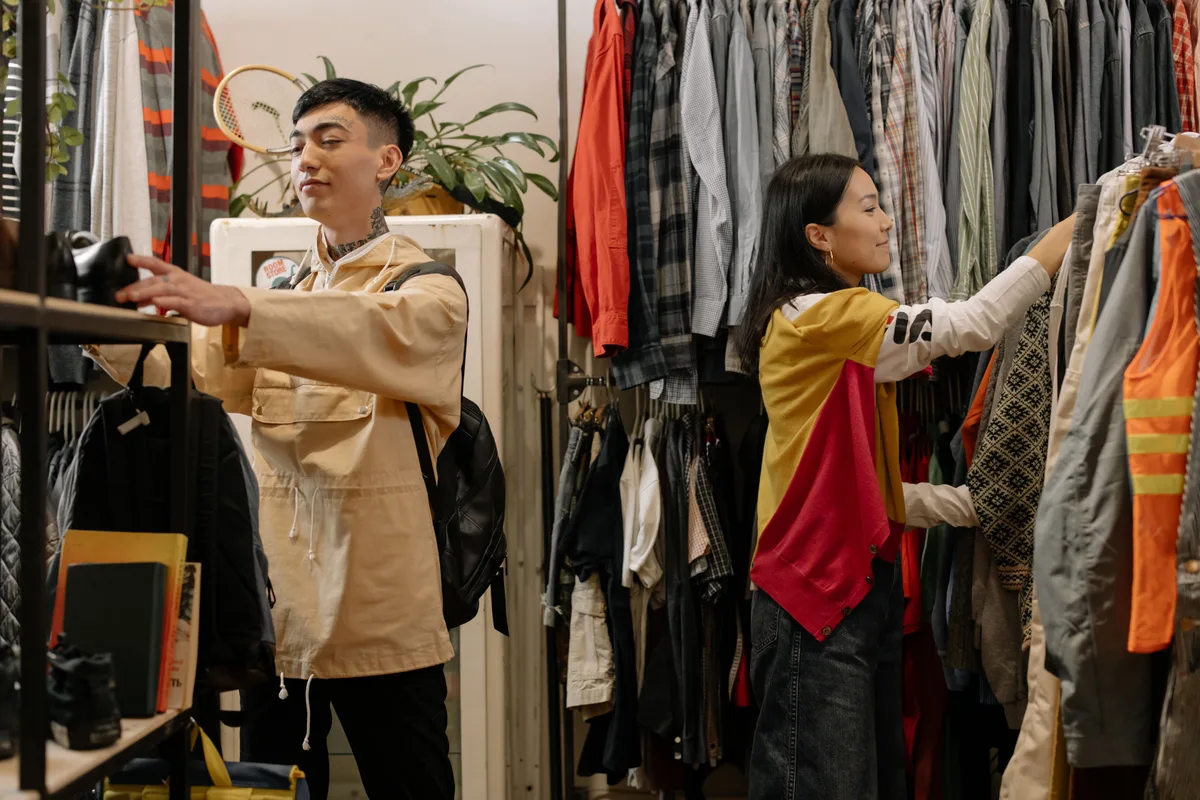
Thrift and charity shops are best for clothing, books, kitchenware, and small home goods. Prices are set low and fixed, so there is little haggling, but inventory is random and you need to visit often. The upside is that you can inspect everything in person and walk out the same day.
Online marketplaces are where furniture, appliances, exercise equipment, and larger items trade hands locally. You get photos, a rough price sense, and the ability to message the seller with questions before you drive anywhere. The downside is that sales are casual and almost always final, so your inspection has to happen before money changes hands, and a listing with only one blurry photo is usually hiding something.
Estate and moving sales can be goldmines for furniture, tools, and dishes, especially late on the final day when sellers slash prices to avoid hauling things away. You trade convenience for timing. Show up early for the best selection or late for the best prices, rarely both.
Consignment and resale chains sit a step above thrift shops. They curate what they accept, so quality is more consistent and staff can often tell you something about an item, but you pay more for that filtering. For brand name clothing, furniture, and kids gear, the markup is often still far below retail.
Buy nothing and community giveaway groups are the quiet champions here, because the price is zero. People give away furniture, baby gear, and household basics constantly, often just to clear space. It takes patience and quick responses, but it is hard to beat free.
If you are specifically after gadgets, a dedicated refurbished seller can be a smarter path than a random private listing, because reputable refurbishers test, clean, and warranty what they sell. Our guide on buying refurbished electronics walks through how to tell a real refurbisher from a gambler flipping untested returns.
The inspection habit that protects you
Almost every secondhand regret traces back to a skipped inspection. A private sale is usually final, and even store policies on used goods can be thin, so you are the quality control department. The good news is that a careful once over takes only a few minutes and does not require any expertise. You are mostly looking for signs that an item has a problem the seller is hoping you will not notice.
Two extra rules save real money. First, always test anything with a plug, a motor, or moving parts before you pay. Ask to turn it on, run it through a cycle, open and close every drawer and door. A seller who refuses to let you test a working item is telling you something. Second, price in the fix. If a dresser needs a new drawer glide or a bike needs a tune up, add that cost and that hassle to the asking price in your head. A fifty dollar chair that needs eighty dollars of repair is a one hundred thirty dollar chair, and it may no longer be a bargain.
It helps to bring a small kit when you go looking at bigger items. A flashlight, or the one on your phone, shows you the underside of furniture and the inside of a cabinet where water damage and mold like to hide. A tape measure saves you from the heartbreak of hauling home a dresser that will not fit through your door. A small magnet can be a handy extra, but know its limits. It only tells you whether a surface holds a magnetic metal like steel or iron. It will not stick to aluminum, brass, or many other real metals, so a magnet that does not grab is not proof that something is plastic. Treat it as one small clue about magnetic material, never as a reliable test for real metal versus a painted finish.
Smell, fabric, and the hygiene question
Soft and upholstered items deserve their own paragraph because they are where used buying most often goes wrong. Fabric holds odors, moisture, and sometimes pests in ways that hard surfaces do not. Upholstered furniture, mattresses, and used car seats are the classic cautions. With a mattress or a child car seat, most guidance leans toward buying new, because you cannot see the inside, a car seat may have been in a crash you will never hear about, and the item is tied closely to health and safety.
For regular clothing, bedding, and curtains, a good cleaning handles the vast majority of everyday concerns, and the savings on good fabric and brand name clothes can be dramatic. Give fabric a real sniff in the store, check seams and zippers, hold it up to the light to spot thin patches or stains, and remember that a stain you cannot identify is a stain you may never remove. Smoke smell is the one odor worth taking seriously, because it soaks deep into upholstery and foam and rarely washes out, so a couch that smells of cigarettes is usually a pass no matter how good the price looks.
Pests are a separate and more serious issue, and a normal wash is not the answer to them. Before you bring any soft item home, inspect it for bed bugs, checking seams, folds, tufts, and the undersides of cushions for small dark spots or live insects. If you find any sign of an infestation, the safest move is to leave the item behind. The EPA warns that washing alone may not kill bed bugs, and it recommends putting items that can take the heat through a household dryer on high for at least 30 minutes to kill the bugs and their eggs. A piece that cannot go in a dryer and that you suspect is infested will not be fixed by routine cleaning, and it needs proper pest treatment rather than a hopeful scrub. In short, a hot wash and a high heat dry freshen fabric, but they are not a cure for a pest problem you failed to inspect for first.
Do the honest math before you fall in love
A low sticker is not the same as a good deal. The number that matters is the total cost to get the item working and into your home, compared with the true total to buy it new. Secondhand furniture and appliances sometimes carry a hidden delivery cost, since you may need to rent a truck or pay a hauler, and that can quietly eat a third of your savings on a single large piece.
One thing people get wrong is assuming only the new price carries tax. Plenty of used purchases are taxed too. A for profit resale shop or a consignment store generally charges sales tax just like any other retailer, and the fact that an item is used does not change that. Nonprofit charity thrift stores often do not collect sales tax on used goods, the rules vary by state, and some states even apply a use tax to purchases made from out of state sellers. So a Goodwill find and a consignment find can be treated very differently at the register. Run the comparison in plain terms. Take the used price, add any sales or use tax that applies, add any repair or cleaning cost, add delivery or fuel, and then compare that honest total to the real new price including its tax and any delivery fee the store charges. Putting tax on both sides is the only way to keep from overstating the savings. If the used total still lands well under new, buy with confidence. If it creeps close to new, the small savings may not be worth the missing warranty and the risk of a hidden flaw. The slider below lets you play with a realistic scenario and see how the gap shows up over time if you invest the difference instead of spending it.
That compounding view is not a promise, and markets do not move in a straight line. It is simply a way to see that the money you do not spend is not gone, it is available. People who lean on the used market for the big, boring, durable purchases often free up a surprising amount of cash over a few years, and where that cash goes next is the part that actually changes a financial picture. A few hundred dollars saved on a dresser is pleasant on its own, but the same habit repeated across a dozen purchases a year is the sort of thing that quietly funds an emergency cushion or a retirement contribution.
A realistic look at the savings by category
To make this concrete, picture a household that needs to outfit a spare room and refresh a wardrobe. The chart below uses clearly hypothetical prices to show how a new budget and a well shopped used budget can compare across common categories. These are sticker prices before any tax, which as noted can land on either side, so your real gap depends on where you buy. Your local prices will differ, and a lucky find or a bad one can swing any single line, but the shape of the gap is what secondhand shoppers see again and again.
The pattern is the point. The biggest dollar savings tend to show up on large durable goods, where the new premium is highest and the used supply is deepest. The percentage savings can be just as strong on clothing, especially for brand name or barely worn pieces that someone bought, wore twice, and let go. Small and cheap items matter less, because saving a few dollars on a used coffee mug is not where your budget turns. The lesson is to spend your patience where the dollars are, chasing the big durable buys and letting the trivial ones go either way.
How to negotiate without being pushy
Haggling makes a lot of people uncomfortable, but in the private used market a polite offer is simply expected, and sellers usually price in a little room to come down. The friendliest approach works best. Show up on time, be pleasant, and have cash ready, because a seller who sees a serious buyer in front of them will often take less than they would from a stranger who keeps messaging questions and never commits.
Let the item make your case for you. If you noticed a scuff, a sticky drawer, or a missing remote during your inspection, mention it calmly and tie your offer to the cost of fixing it. That turns a lowball into a reasonable request, and most sellers respond to a number that has a reason behind it. It also helps to know the going rate before you open your mouth, which is why a quick search of recent sold listings is worth the two minutes it takes.
Protecting yourself on bigger buys
For anything expensive, build in a little protection even though most used sales are final. When you buy a used car from a dealer, federal rules require a Buyers Guide posted in the window that states whether the car comes with a warranty or is sold "as is." The Buyers Guide takes precedence over conflicting language in your sales contract, so if the Guide promises a warranty and the contract says otherwise, the dealer owes you the warranty described in the Guide. Because spoken promises are hard to enforce, the FTC advises getting any commitment a salesperson makes written onto the Guide itself. An "as is" box on that Guide is meant to signal that the dealer is not promising to cover repairs, but it does not automatically erase every obligation. State law governs whether such a disclaimer is effective at all, and some states do not allow used cars to be sold "as is." Any written commitment, on the Guide or elsewhere, still counts. And the FTC notes that if you buy a dealer service contract within 90 days of the sale, implied warranties on the systems that contract covers are preserved even on an "as is" car. So read the Guide carefully before you sign, and do not assume one checked box settles everything.
With private sellers of all kinds, a few habits lower your risk. Meet in a public place for smaller items and bring a friend for larger pickups. Pay in a way that leaves a record when you can. Keep the listing, the messages, and any receipt, because they are your only proof of what was promised if something turns out to be badly misrepresented. For high value gear, a quick search of the model number can reveal recalls, common failure points, and a fair price range so you are not negotiating blind.
It also pays to know a category before you shop it. Reading up on fair prices and common flaws for, say, a used bicycle or a specific appliance takes fifteen minutes and turns you from an easy mark into a confident buyer. The same homework that helps you spot a lemon helps you recognize a genuine steal when it appears, which is how patient secondhand shoppers end up with the best stories.
Timing, patience, and the one firm rule
The used market rewards patience more than almost any other kind of shopping. Because inventory is random, the person who needs a specific item today pays more than the person who has been casually watching for a month. If you can start looking well before you truly need something, you give yourself room to wait for the right piece at the right price instead of grabbing the first option out of pressure.
Seasons help too. People clear out furniture and household goods when they move, so late spring and early summer tend to flood the market. Winter clothing shows up cheaply in early spring when closets get purged. Exercise equipment floods listings a month or two after the new year, once the resolutions fade. Buying a season ahead of when you need something lines you up with the moment supply is highest and sellers are most motivated.
The one rule worth keeping above all others is simple. If a deal feels off, walk away. There will always be another dresser, another jacket, another drill. The secondhand market is not a limited time offer, it is a river that keeps flowing, and the shopper who is willing to pass on a mediocre find is the one who ends up with the great ones. Buying used is not about settling for less. Done with a little care, it is about paying far less for the same thing, and keeping the difference for something that matters more to you.
Everything you save starts with something you know.
Knowing how interest, insurance, and fine print really work is the discount that applies to everything for the rest of your life. The Financial IQ Test scores that knowledge across 90 tests and shows you where the expensive gaps are.
Test your Financial IQQuestions people ask
Is it safe to buy a used mattress or child car seat?
Most safety guidance leans toward buying these new. You cannot see the inside of a mattress, and a used car seat may have been in a crash you will never hear about or may be past its expiration date. Both are tied closely to health and safety, which is exactly where the small savings rarely justify the hidden risk. For car seats specifically, the federal source is NHTSA, not the CPSC. Look the model up at NHTSA's recall tool at nhtsa.gov/recalls under the car seats tab, using the model number and date of manufacture on the seat label, and run NHTSA's used car seat safety checklist, which asks that the seat has never been in a moderate or severe crash, still carries its date and model labels, has no open recall, includes every part, and comes with its instruction book. Use the CPSC recall database for toys, cribs, and other nursery furniture.
How do I know a used price is actually a good deal?
Compare total to total, with tax on both sides. Take the used price and add any sales or use tax that applies, plus repair, cleaning, and delivery or fuel cost, then compare that to the real new price including its tax and any store delivery fee. Remember that for profit resale and consignment shops usually charge sales tax, while nonprofit charity thrift stores often do not, so do not assume only the new side is taxed. If the honest used total still lands well under new, it is a deal. If it creeps close to new, the missing warranty and the risk of a hidden flaw may not be worth it.
What should I inspect before buying a used item?
Look for signs of a problem the seller hopes you will miss, like cracks, water damage, rust, odors, and worn or stained fabric. Open and close every drawer and door, and always test anything with a plug, motor, or moving parts before you pay. With soft and upholstered items, inspect seams and cushion undersides for bed bugs, and remember the EPA says washing alone may not kill them, so high heat drying for at least 30 minutes is what actually does the job on suitable items.
Are private sales final, and do I have any protection?
Private sales are usually final, so your inspection before payment is your main protection. Keep the listing, messages, and any receipt as proof of what was promised. When you buy a used car from a dealer, federal rules require a posted Buyers Guide stating whether it comes with a warranty or is sold as is, and that Guide takes precedence over conflicting contract language. State law governs whether an as is disclaimer is even allowed, written promises still count, and a dealer service contract bought within 90 days can preserve implied warranties on covered systems.
Where do I find the best secondhand deals?
It depends on the category. Thrift and consignment shops suit clothing and small home goods, online local marketplaces suit furniture and appliances, estate and moving sales are strong for tools and dishes especially late on the last day, and community giveaway groups can get you usable items for free if you respond quickly.
Does buying used mean settling for worse quality?
Not usually. With durable goods, a well made older item often outlasts a cheap new one, so age matters far less than condition. The key is matching the source and the inspection to the item, buying used where the savings are large and the risk is small, and buying new where being first owner actually gets you something worth paying for, like a current safety standard or a live warranty.
Keep reading
50 Real Ways to Save Money in 2026, Ranked by Effort

The Subscription Audit: Find and Cancel Your Money Leaks

The Grocery Savings System: Cut Your Food Bill 25%
The Flourish Letter
One smart money idea each week, charts included. Join free and get the printable 2026 Money Calendar in your welcome email.