How to Save Money on Coffee and Cafe Drinks
Key takeaways
- Five cafe drinks a week at $6 is about $1,560 a year before tips, and daily $6.50 drinks clear roughly $2,370.
- Home drip at about $0.65 a cup across 260 workdays is near $169, leaving a four-figure gap versus many cafe habits.
- BLS data showed beverage materials including coffee and tea up 11.8 percent from December 2024 to December 2025, so menu creep is real.
- Loyalty apps help only if they discount visits you already planned, not if they train extra stops.
- Simple gear pays back fast when it replaces trips: a basic drip and grinder can break even in weeks at three skipped lattes a week.
- Automating the monthly cut into a high-yield savings account keeps the win from dissolving into other small spends.
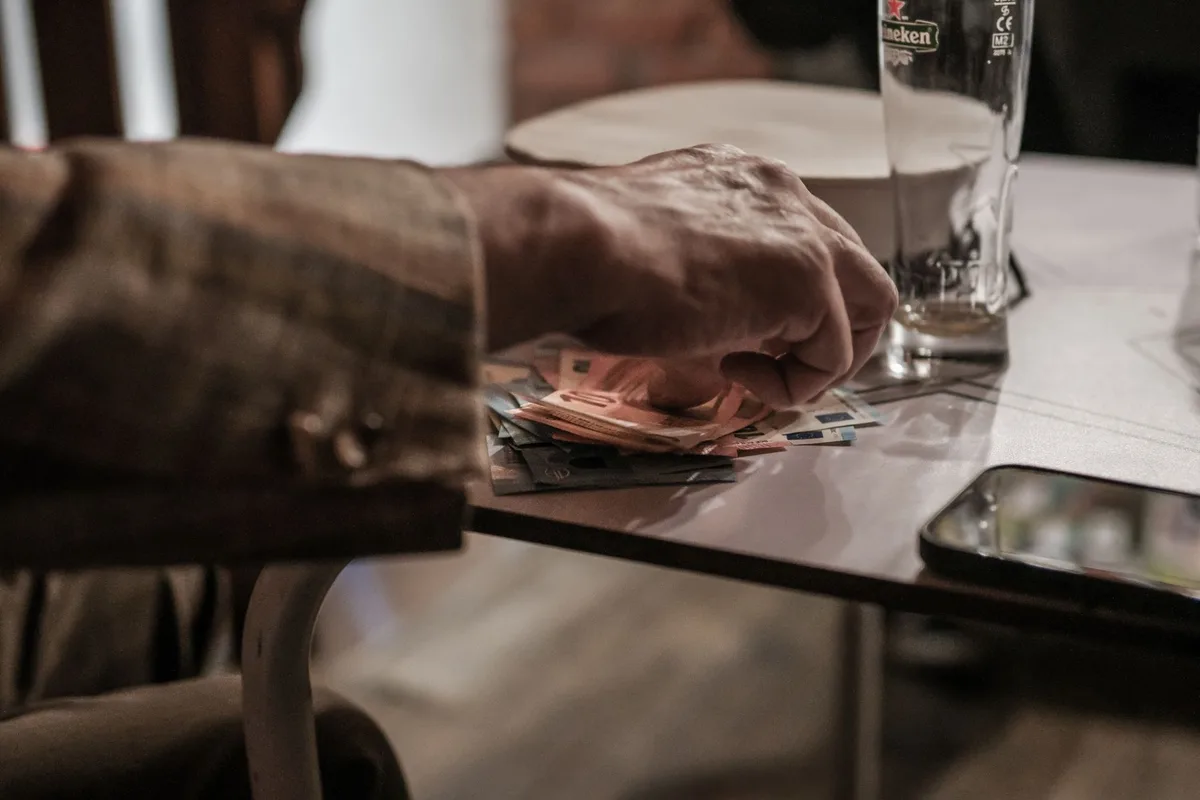
A cafe drink rarely feels like a money decision. You order, you tap, you leave with something warm in hand. Five or six dollars vanishes into the day. The problem is not one latte. It is the quiet math of five weekdays a week, fifty-two weeks a year, plus weekend stops, tip prompts, and the second drink you did not plan. By December the habit can rival a car insurance premium, a chunk of an emergency fund, or a full year of high-yield savings contributions.
This guide is for U.S. coffee drinkers in 2026 who want the truth about cafe costs without a lecture to quit forever. You will see realistic annual totals, home-brew versus cafe comparisons, loyalty program math, equipment payback periods, and simple behavior changes that cut spending without turning mornings into a chore. Where the freed cash goes matters as much as how you free it. Parking the difference in a high-yield savings account turns a habit change into a balance-sheet change.
What a cafe habit really costs each year
Start with a single drink price you actually pay, not the menu number from three years ago. In many U.S. cities in 2026, a plain drip coffee often lands near $3 to $4.50. A standard latte or cappuccino commonly sits around $5 to $7 before tip. Specialty drinks with syrups, alternative milks, and cold foam frequently run $6.50 to $9. Tips of $1 or the suggested 15 to 20 percent push the card total higher still.
Multiply carefully. Five drinks a week at $6 each is $30 a week, or $1,560 a year. Add a modest $1 tip and you are near $1,820. Seven days a week at $6.50 is about $2,373 before tip. A household of two with matching weekday habits at $6 each is $3,120 a year for workdays alone. None of those figures includes the pastry that rides along, the bottled water, or the afternoon iced coffee that shows up when the afternoon lag hits.
People systematically undercount because the charge is small and familiar. The same pattern shows up in subscription audits and food-away-from-home spending: the brain files cafe coffee under treat, not under annual budget line. Writing the yearly number once is often enough to change the default. You do not need shame. You need a visible total.
Coffee prices themselves have been restless. The Bureau of Labor Statistics tracks coffee in the Consumer Price Index, and FRED republishes the series so anyone can see the climb. In its review of 2025 inflation, BLS noted that prices for beverage materials including coffee and tea rose 11.8 percent from December 2024 to December 2025, a much sharper jump than overall food. Cafe menus reflect beans, milk, labor, rent, and packaging. Home grocery coffee rose too, but the markup structure at a cafe still leaves a wide gap between a cup you brew and a cup you buy ready-made.
Cafe vs home brew: the annual comparison
Home coffee is not free. Beans, filters, milk, electricity, water, and equipment all cost money. Even so, the per-cup math usually favors the kitchen by a wide margin once you are past the first gear purchase.
A realistic drip or pour-over cup often lands near $0.40 to $0.90 when you buy whole beans or quality ground coffee in bags, depending on roast price and how strong you brew. Single-serve pods commonly cost about $0.70 to $1.20 each before milk. Cafe drinks at $5.50 to $7.50 sit in a different league. Over 260 workdays, a $6.50 cafe habit is about $1,690. The same number of home drip cups at $0.65 each is about $169. The gap is roughly $1,521 for one person. That is the educational core of this topic: frequency times price gap, not one dramatic receipt.
Pods sit in the middle. They beat most cafe prices and lose to bagged beans. A pod at $0.90 across 260 mornings is $234. Still far below cafe totals, and convenient for people who will not stick with a kettle routine. Instant coffee is cheaper still for many shoppers, though taste preferences vary widely. Cold brew concentrate made at home in a jar often costs less per iced cup than a cafe cold brew that can clear $5 to $7 on its own.
Milk and add-ins deserve their own line. Oat, almond, and other alternative milks raise both cafe tickets and grocery bills. At home you control the pour. At a cafe, each substitution is a priced upgrade. If alternative milk is non-negotiable, home brewing still usually wins because you buy the carton once and use it across many cups.
Build a home setup that you will actually use
The best home coffee system is the one that survives a sleepy Tuesday. Fancy gear that sits unused sends you back to the drive-through. Match equipment to your patience level.
- Automatic drip machine: Often $30 to $120 for a solid everyday unit. Set it the night before if your model allows. Lowest friction for most households.
- Pour-over cone and kettle: Often $25 to $80 all-in for a starter kit. Excellent cup quality. Needs three to five minutes of attention.
- French press: Often $20 to $50. Simple and rich. Cleanup matters; plan for it or you will skip it.
- Single-serve pod machine: Often $80 to $180. Convenience tax on each cup. Still usually cheaper than cafe drinks at volume.
- Espresso machine: Consumer units often run $150 to $800-plus. Steeper learning curve. Worth it only if you love espresso drinks and will practice.
- Grinder: A burr grinder, often $50 to $150 for a capable entry model, improves flavor more than most people expect and lets you buy whole beans on sale.
ROI is straightforward. Suppose you cut three cafe trips a week at $6.50 each. That is $19.50 a week, or about $1,014 a year. A $90 drip machine and a $70 grinder pay for themselves in well under two months of those skipped trips. Even a $400 espresso setup can break even inside half a year if it replaces five specialty drinks a week at $7 each ($1,820 a year). The trap is buying prosumer gear and still stopping for a latte four mornings a week. Equipment only pays back when behavior changes.
Buy beans you like, not beans a review blog insists are mandatory. Grocery store bags, warehouse club coffee, and local roaster sales all work. Store beans airtight and away from heat. Grind close to brew time when you can. Freshness and a method you will repeat beat a perfect Instagram station you abandon by week three.
Loyalty programs, rewards, and the soft upsell
Cafe loyalty apps are not evil. They are designed. Stars, points, and free-drink thresholds reward frequency. That can lower the average price per cup if you were already going. It can also train a higher visit count than you intended.
Run loyalty math the honest way. If a free drink arrives every twelve paid drinks, and your average ticket is $6.50, the freebie is worth $6.50 across thirteen visits, or about a 7.7 percent discount if you never tip on the free one and never add extras to chase points. Tips, size upgrades, and seasonal drinks pursued for bonus stars can erase that discount. A rewards program that nudges you from three visits a week to five is a net loss even when the app flashes congratulations.
Credit card rewards and cafe gift cards bought at a discount can shave a few percent more for people who already pay balances in full. They do not fix a $2,000 habit by themselves. Treat points as a thin frosting on a smaller cake: fewer visits, then optimize the visits you keep.
Mobile order lanes deserve a hard look. Ordering ahead saves time and often increases ticket size because the screen makes add-ons effortless. If mobile order is your weakness, delete the shortcut from your phone home screen for thirty days and track what happens to weekly spend. Friction is a budgeting tool.
Behavior tricks that cut cafe spend without a cold-turkey vow
All-or-nothing plans fail for the same reason crash diets fail. A better approach is a default switch with planned exceptions.
Make home the default and cafe the calendar event. Brew at home Monday through Thursday. Allow a Friday cafe stop, or a Sunday cafe meetup with a friend. Planned pleasure costs less than ambient grazing. Many people find one or two intentional cafe visits per week preserve the social and sensory joy while cutting annual spend by half or more.
Bring a travel mug when you do go. Some shops discount reusable cups. Even when they do not, a filled-from-home mug in the car blocks the autopilot turn into the drive-through. The mug is a decision made the night before, which is when willpower is cheaper.
Batch brew for the workweek. A weekend pot of concentrate or a large cold-brew jar covers iced coffee for days. Office people who keep a small drip machine or kettle at work remove the afternoon cafe excuse. Check workplace rules and clean shared gear so you stay welcome.
Separate coffee from the outing. If what you miss is the walk, the playlist, or the twenty minutes alone, take the walk with a home mug. Pay for atmosphere only when atmosphere is the point, such as a laptop work session or catching up with someone. Buying caffeine when you wanted a break is an expensive mistranslation.
Cap the add-ons. Size upgrades, extra shots, drizzle, and dairy alternatives stack quietly. A personal rule like base drink only on weekday stops keeps the ticket closer to the number you used in your annual math.
Use a weekly cash or envelope number. Decide that cafe drinks get $15 a week, then stop when it is gone. Digital equivalents work too: a separate spending category with an alert. The point is a hard edge, not a vibe.
Office culture, commuting, and the social cup
Coffee is social infrastructure. Declining every invitation can cost more in relationships than it saves in dollars. The workable middle is substitution, not isolation. Suggest a walking meeting. Offer to host coffee at your desk from a shared bag of beans. Meet for one drink instead of two. Rotate who chooses a lower-cost spot. If your workplace stocks decent free coffee, try it for two weeks before declaring it undrinkable. Many office pots are fine once you stop comparing them to a $7 signature latte.
Commute patterns matter. Drive-throughs placed on the route home from daycare or the gym are engineered for impulse. Changing the route by one block, packing the mug, or moving caffeine earlier at home removes the trigger. People who work from home often spend less on cafe coffee and more on grocery pods. Track your own pattern rather than copying a generic tip list.
Parents and caregivers face a special version of this bill: the trip that buys ten minutes of quiet. Honor the need. Price a cheaper version of the same relief, such as a grocery flat white made at home after bedtime, a library visit, or a park walk. When a cafe is truly the reset you need, keep it and cut elsewhere in the coffee budget. Education beats austerity theater.
Where the freed cash should go
Cutting cafe spend only improves your finances if the money does not silently migrate into delivery apps and small online orders. Name the destination on the same day you change the habit.
A common approach is to calculate the monthly cafe cut, round down, and automate a transfer into a high-yield savings account the morning after payday. If you were averaging $120 a month at cafes and expect to spend $40 under a new plan, move $80 automatically. The checking account never sees the difference, so lifestyle creep has less room to hunt it down.
USDA Economic Research Service data shows Americans continue to spend heavily on food away from home relative to food at home. Cafe drinks sit inside that broader away-from-home pattern. Shifting even one category toward home preparation is a small, concrete vote for a higher saving rate. The Federal Reserve Bank of St. Louis publishes the personal saving rate on FRED for anyone who wants a national benchmark. Your household rate is the one that matters, and redirected coffee money is one of the easier levers because the alternative (home brew) still delivers caffeine.
If your emergency fund is already solid, some savers point the same automatic transfer at debt principal or investment contributions. The educational point stays the same: give the savings a job. Use the slider below to test how fast a monthly coffee cut reaches a named goal at a realistic savings APY.
A 30-day cafe reset you can finish
You do not need a permanent identity as a person who never buys coffee. You need a short experiment with clear measurement.
- Week 0 inventory: Pull the last 30 days of card and cash app charges. Total every cafe and coffee-shop line. Divide by days to get a daily average. That number is your baseline.
- Pick a home method: Choose drip, pour-over, press, or pods based on which one you will repeat. Buy only what you need for thirty days.
- Set the exception rule: Write it down. Example: home brew on work mornings, one cafe visit each weekend, no mobile-order add-ons.
- Automate the difference: Estimate monthly savings and schedule the HYSA transfer before the month begins.
- Review on day 30: Compare new totals to baseline. Keep what worked. Adjust the exception rule if it was too tight or too loose. If you want a clearer picture of how small recurring charges and credit utilization sit beside this habit, a tool like WalletHub Premium can help some households watch the wider money picture without turning coffee into the only metric.
Most people discover that taste was never the whole story. Convenience, identity, and social rhythm were doing as much work as the espresso. Once those are handled on purpose, the cheaper cup stops feeling like a demotion.
Special cases: specialty drinks, tea drinkers, and non-coffee orders
Not every expensive cafe ticket is coffee. Matcha lattes, chai, Italian sodas, energy drinks, and cocoa-based specialties often price like premium coffee or higher. The same annual math applies. If your order is a $7.50 iced matcha five days a week, the yearly figure is about $1,950 before tip. Home matcha and milk still require quality powder, but many households cut that bill dramatically with a small whisk and a grocery tin.
Tea drinkers should not skip this audit. A daily cafe tea with add-ins can approach coffee pricing, while a box of quality tea bags at home may cost pennies per cup. Loose-leaf setups cost more up front and still usually win on volume.
Kids' drinks and bakery attachments multiply family tickets. A $5 drink plus a $4 pastry twice a week with a child is over $900 a year. Occasional bakery visits can stay. Standing midweek double orders deserve the same daylight as adult lattes.
The bottom line
Saving money on coffee and cafe drinks is mostly arithmetic plus defaults. Price your real annual habit. Compare it with a home method you will actually use. Keep cafe visits as planned pleasures rather than ambient autopilot. Be honest about loyalty apps and mobile order screens. Buy only the gear that removes friction. Move the freed dollars somewhere they cannot evaporate, ideally an automatic transfer into savings.
A single person who trims a $6.50 weekday habit down to mostly home brew can free something near $1,000 to $1,500 a year in many U.S. price environments. A two-adult household can free more. That money will not transform a life by itself. Combined with grocery systems, subscription audits, and a rising saving rate, it is one of the cleanest wins available because you still get your coffee. You simply stop paying cafe rents and labor for every single cup.
Everything you save starts with something you know.
Knowing how interest, insurance, and fine print really work is the discount that applies to everything for the rest of your life. The Financial IQ Test scores that knowledge across 90 tests and shows you where the expensive gaps are.
Test your Financial IQQuestions people ask
How much can I save by switching from cafe coffee to home brew?
It depends on price and frequency. A common weekday pattern of $6.50 cafe drinks across 260 workdays is about $1,690 before tip. The same days at a $0.65 home drip cup are about $169. Many single drinkers who mostly switch home free something near $1,000 to $1,500 a year. Your card history is the best calculator.
Are coffee pods worth it compared with cafe drinks?
Often yes on cost, even if they lose to bagged beans. At about $0.90 a pod for 260 mornings you are near $234 a year, still far below most cafe totals. Pods trade a higher per-cup grocery cost for low friction, which matters if friction would send you back through the drive-through.
Do cafe loyalty programs actually save money?
They can lower the average price per cup if your visit count stays flat. A free drink every twelve paid visits is a modest discount. If chasing stars adds visits, size upgrades, or seasonal drinks you would not otherwise buy, the program can raise annual spend. Count visits before and after you rely on the app.
How expensive does an espresso machine need to be to pay for itself?
Payback depends on what you stop buying. Replacing five $7 specialty drinks a week is about $1,820 a year before tip, so even a few hundred dollars of equipment can break even in months if you actually use it. A machine that sits idle while you keep the cafe habit never pays back. Start with the simplest setup you will repeat.
Is it realistic to keep some cafe visits and still save?
Yes. A hybrid rule such as home brew on weekdays and one weekend cafe stop preserves social and sensory value while cutting a large share of annual cost. Planned exceptions usually beat rigid bans that collapse after two weeks. Write the rule down and review it after thirty days.
Where should I put the money I stop spending at cafes?
Many households automate the monthly difference into a high-yield savings account the day after payday so the cash is not absorbed by other spending. If the emergency fund is already healthy, the same transfer can target debt principal or long-term investing. The key educational step is naming a destination instead of leaving the money in checking.
Keep reading
50 Real Ways to Save Money in 2026, Ranked by Effort
The Subscription Audit: Find and Cancel Your Money Leaks

The Grocery Savings System: Cut Your Food Bill 25%
The Flourish Letter
One smart money idea each week, charts included. Join free and get the printable 2026 Money Calendar in your welcome email.