How to Save Money on College Textbooks
Key takeaways
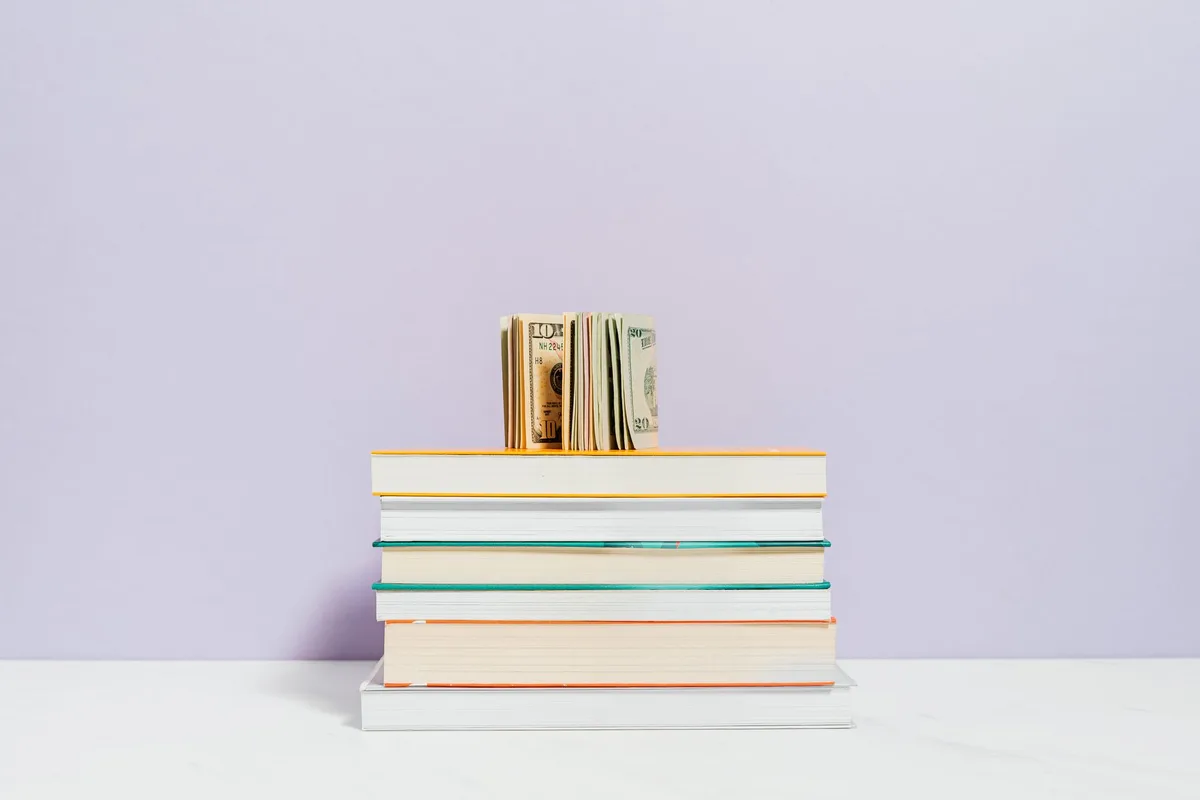
- The average full-time student is on the hook for roughly $1,000 a year in course materials, but most of that is optional if you shop smart.
- Renting or buying used almost always beats buying new, and digital rentals are usually the cheapest option of all.
- Open educational resources and library reserves can drop the cost of a required book to zero.
- Always compare prices across several marketplaces before you buy, because the spread between the cheapest and most expensive copy is often 3x or more.
- Selling books back at the end of a term recovers real money, so treat your textbooks like assets, not trash.
- Financial aid book vouchers let you use grant and loan money at the campus store, but they are often the worst place to actually spend it.
You get your syllabus, you scroll to the required materials list, and there it is: a stack of books that adds up to more than a month of groceries. If you have ever stood in a campus bookstore holding a $290 hardcover and quietly wondered whether you actually need it, you are asking exactly the right question. Most students overpay for course materials by a wide margin, not because they are careless, but because the easiest path is also the most expensive one. This guide walks through every reliable way to cut that bill, from free open textbooks to smart reselling, with real math so you can see what each move is worth.
Here is the honest headline: for a lot of your classes, the sticker price is a suggestion, not a requirement. Once you know where to look and when to buy, a course-materials bill that started near four figures a year can shrink to a couple hundred dollars, and sometimes to nearly nothing.
Understand what you are actually being asked to pay
Colleges and surveys have estimated the cost of books and supplies for a full-time student at roughly $1,000 to $1,250 per year for a while now. The College Board tracks these figures as part of the total cost of attendance, and the number your school lists in its aid letter is usually a budget estimate, not a bill you have to hit. That distinction matters, because the estimate assumes you buy new from the campus store. Treat it as a ceiling to beat, not a target to reach.
There is genuinely good news buried in the price data too. After decades of textbook prices climbing faster than inflation, the trend has cooled. The federal Consumer Price Index for educational books and supplies has actually fallen in recent years, driven by the rise of rentals, used marketplaces, and free open resources. In other words, the tools that save you money have gotten stronger, and publishers have had to compete. You are shopping in a better market than students did ten years ago, as long as you refuse to shop on autopilot.
The single most useful habit is to separate your reading list into three buckets before you spend a dollar. Bucket one is books you will use hard and keep, usually in your major. Bucket two is books you need for one term and will never touch again. Bucket three is books listed as recommended or optional that you may not need at all. Each bucket calls for a different strategy, and lumping them together is how you end up buying a $200 new copy of something you open twice.
Rent, buy used, or go digital: the core decision
For almost every required book, you have four ways to get it: buy new, buy used, rent physical, or rent or buy digital. New is the priciest and, for most classes, the least sensible. The interesting contest is between the other three, and the winner changes with the book.
Renting a physical book is often the best deal for a bucket-two title you will never reference again. You pay a fraction of the new price, use it all term, and mail it back or drop it off when finals end. Digital rentals are frequently cheaper still, sometimes half the cost of a physical rental, with the tradeoff that you are reading on a screen and lose access when the term ends. Buying used sits in the middle: you pay more up front than you would to rent, but you own the book and can sell it back, which can make the true cost lower than a rental once you recover part of your money.
Look closely at that comparison, because the cheapest headline price is not always the cheapest real cost. A $60 used book that you resell for $25 costs you $35 net. A $40 rental costs you $40, full stop. The used copy wins by five dollars in that example, even though its sticker price was higher. This is the kind of small arithmetic that adds up across five or six classes a term.
A few practical rules make this easier. If a book is central to your field and future courses will build on it, lean toward buying used and keeping it. If it is a one-and-done requirement for a class outside your major, rent it, and rent digital if you are comfortable reading on a screen. If you are truly unsure whether you will need the book much at all, hold off entirely until after the first class meeting.
One tradeoff worth naming plainly is the difference between reading on paper and reading on a screen. Digital rentals are the cheapest option for a reason, but many students find they retain less from a scrolling screen than from a physical page they can annotate and flip through. If a class is math-heavy or you know you study best with a highlighter in hand, the few extra dollars for a used physical copy can be money well spent. If the book is mostly narrative reading you will skim once, digital is the obvious call. Match the format to how you actually study, not just to the lowest price.
Master the price-comparison hunt
The largest, most repeatable savings come from a simple discipline: never buy the first copy you see. The spread between the cheapest and most expensive listing of the exact same book is routinely three times or more. Your job is to find the low end of that range in about five minutes.
Start with the book's ISBN, the string of digits on the back cover or copyright page. The ISBN is specific to one exact edition and format, so searching by it guarantees you are comparing identical books rather than accidentally buying the wrong version. Grab the ISBN from your syllabus or the campus store listing, then run it through a textbook price-comparison site that scans dozens of sellers and rental services at once. These aggregators do the tedious work for you and surface the lowest buy price, the lowest rental price, and the digital option side by side.
Cast a wide net across the marketplaces. Major online retailers rent and sell both new and used copies. Dedicated textbook sites often specialize in rentals with free return shipping. Student-to-student marketplaces let you buy directly from someone who just finished the class, which can be the cheapest option of all. Do not forget general resale apps and local campus buy-and-sell groups, where a graduating senior may unload a stack of books for pocket change just to be rid of them.
One more lever: editions. Publishers release new editions partly to reset the used market and push fresh sales, but the actual content change is often minor. Before you pay full freight for the current edition, email your professor and ask whether the previous edition is acceptable. Many will say yes. An edition that is one or two versions old frequently sells for a small fraction of the newest one, because the market treats it as obsolete even when the reading is nearly identical. Just confirm that problem sets and page numbers line up, since those are the details that occasionally shift.
Get the book for free: open resources and the library
The best price is no price, and for a growing share of courses that is a real option rather than wishful thinking. Open educational resources, usually shortened to OER, are textbooks and materials published under open licenses so anyone can read, download, and print them at no cost. Nonprofit publishers like OpenStax offer peer-reviewed titles in high-enrollment subjects such as economics, biology, psychology, statistics, and chemistry. Many colleges now assign these books directly, and even when your professor assigns a commercial title, a free open book on the same subject can serve as a strong backup for studying.
Your campus library is the other free goldmine, and it is badly underused. Most libraries keep required textbooks on course reserve, which means a copy you can borrow for a few hours at a time right there in the building. For a book you only need occasionally, reserve access can replace buying entirely. Libraries also carry ebooks you can check out remotely, and if your library does not own a title, interlibrary loan can often pull it in from another school for free. It takes a little planning, but planning is exactly what turns a $150 line item into a $0 one.
Do not overlook the professor as a resource either. Instructors frequently keep a personal desk copy they will lend, or they can point you to a legitimate free version, a chapter scan cleared for class use, or a cheaper alternative that covers the same ground. Faculty know these books are expensive, and many actively want to help you avoid the worst prices. A short, polite email in the first week can save you real money and costs you nothing but a moment of asking.
Time your purchases and use the return window
When you buy matters almost as much as where. The instinct to buy everything the week before classes start is understandable and usually a mistake. Syllabus reading lists are often padded with books that get lightly used or dropped entirely, and professors sometimes revise the list in the first session. Waiting until after the first class meeting lets you buy only what is genuinely required, though you should double-check that nothing is due for that opening week.
Whenever you do buy, note the return policy. Most sellers and campus stores allow returns within a set window at the start of the term, often the first week or two, as long as the book is unmarked and you keep the receipt. That window is your safety net for the moment a professor announces you will not really be using a book after all. Rentals have their own calendar: mark the return date the day you receive the book, because a late rental can convert into a full purchase charge that erases every dollar you saved.
Sell back and recover your money
A textbook you own is an asset, not garbage, and treating it that way recovers real cash at the end of every term. The trick is to sell smart rather than dumping everything at the campus buyback counter during finals week, which is almost always the lowest offer you will get.
Compare buyback quotes across several online services and the campus store, then weigh those against simply selling the book yourself. Listing directly to another student, through a campus marketplace or a resale app, usually beats a wholesale buyback by a wide margin because you skip the middleman who needs to resell at a profit. Timing helps too. List early, before the flood of identical copies hits the market at the end of finals and pushes prices down. A book you paid $60 for used and sell for $30 to a classmate effectively cost you $30 for the term, which reframes the whole purchase.
Be realistic about which books hold value. Standard hardcovers in stable subjects like calculus or organic chemistry tend to retain resale value across editions. Books tied to single-use access codes, custom campus editions, or fast-changing fields lose value quickly, which is another reason to rent those rather than buy. The resale math is part of the buy-versus-rent decision, not an afterthought.
Keep your books in sellable shape while you use them, because condition drives the offer. Avoid writing in ink, dog-earing pages, or cracking the spine on an expensive title you plan to resell. A book graded as good instead of acceptable can fetch a noticeably higher price, and the difference is often just a matter of using a bookmark and a pencil. If you highlight heavily, expect a lower buyback, and factor that into whether renting would have been smarter from the start.
Watch out for access codes and bundles
The sneakiest cost in modern course materials is the access code, a one-time login for an online homework platform that often comes bundled with the textbook. Access codes are single-use, which means you cannot buy them used and cannot sell them back. When a class requires one, a cheap used book does you no good if you still have to buy a fresh code for the online portion.
Handle these deliberately. First, check whether the code is actually required or just recommended, because sometimes the graded work lives elsewhere. Second, if it is required, look for the option to buy the access code alone, without the physical book, since the standalone code is frequently cheaper than the bundle. Third, ask your school whether the class participates in an inclusive-access or equitable-access program, where the digital materials are billed automatically as a course fee. Those programs are sometimes a fair deal and sometimes not, and you can usually opt out and source the materials yourself if you find them cheaper, so read the fine print before the opt-out deadline passes.
Use financial aid and vouchers the smart way
If your financial aid covers more than tuition and fees, the leftover balance is refunded to you and can absolutely go toward books. The federal student aid system is built to include course materials as a legitimate cost of attendance, so using grant or loan money for textbooks is entirely normal. The catch is timing: refunds often arrive after classes start, which is why many schools offer a book voucher or a temporary bookstore charge that lets you get materials before the money lands.
Here is the part nobody tells you clearly. A book voucher usually only works at the campus store, and the campus store is frequently the most expensive place to buy. So a voucher can quietly push you into overpaying with borrowed money, which you then repay with interest if it came from a loan. Use the voucher only for what you genuinely cannot source cheaper in time, buy the essentials, and let your later refund cover the rest through cheaper channels. When the money is a loan, every dollar you avoid spending is a dollar you do not repay with interest later. Spending aid money wisely is still spending, so apply the same rental, used, and open-resource tactics you would use with cash.
Put it all together: a realistic semester plan
None of this requires heroic effort. It requires a short routine you run at the start and end of each term. Sort your reading list into keep, rent, and maybe. Wait for the first class before buying anything nonessential. Grab each ISBN and compare prices across at least three marketplaces. Check for a free open version and a library reserve copy before paying. Buy used and sell back for keepers, rent digital for one-and-done titles, and email the professor about older editions and access codes. At the end of the term, sell your books early and directly to students.
Run that routine and a course-materials budget the school estimated near $500 a semester can realistically land closer to $150, and in a lucky term with open resources and library reserves it can approach zero. Multiply that across four years and you are talking about thousands of dollars kept in your pocket, or off your loan balance, for a few hours of shopping discipline each term. That is not a gimmick. It is just refusing to pay the lazy price, one book at a time.
Textbooks will never be the reason you love college, but they do not have to be the reason you dread the start of a semester either. Learn the moves once, use them every term, and the sticker shock stops being your problem.
Everything you save starts with something you know.
Knowing how interest, insurance, and fine print really work is the discount that applies to everything for the rest of your life. The Financial IQ Test scores that knowledge across 90 tests and shows you where the expensive gaps are.
Test your Financial IQQuestions people ask
Is it better to rent or buy a college textbook?
For a book you will never open again, renting is usually cheaper and saves you the hassle of reselling. For a book in your major that you will reference for years, buying used and keeping it can be the better long-term value. Run the numbers each term, because the rental price plus a lost buyback is sometimes higher than buying used and selling back.
Do professors actually check which edition you have?
Rarely, and older editions are frequently almost identical to the current one. Before you buy the newest edition, email the professor and ask if a prior edition works. Many will say yes, and an edition that is one or two versions old can cost a small fraction of the new price.
What are open educational resources and are they any good?
Open educational resources, or OER, are free textbooks and course materials released under open licenses. Nonprofits like OpenStax publish peer-reviewed titles in subjects such as economics, biology, and statistics that many colleges now assign directly. Quality is often on par with commercial books, and you can read them online for free or print them cheaply.
Should I wait until after the first class to buy my books?
Usually yes. Syllabus lists often include books you barely touch, and professors sometimes change or drop titles in week one. Waiting a few days lets you buy only what you truly need, though you should confirm nothing is required for the very first assignment.
Can I use financial aid to pay for textbooks?
Yes. If your aid exceeds tuition and fees, the leftover balance is refunded to you and can cover books. Many schools also offer a book voucher or bookstore charge that lets you buy materials before your refund arrives. Just remember the campus store is often the most expensive option, so a voucher does not mean you should overspend.
Where can I sell my textbooks for the most money at the end of the semester?
Compare buyback quotes across online buyback sites and the campus store, and also check what used copies are selling for on student marketplaces. Selling directly to another student on your campus almost always beats a wholesale buyback quote, because you skip the middleman. List early, before everyone else floods the market at finals.
Keep reading
50 Real Ways to Save Money in 2026, Ranked by Effort
The Subscription Audit: Find and Cancel Your Money Leaks

The Grocery Savings System: Cut Your Food Bill 25%
The Flourish Letter
One smart money idea each week, charts included. Join free and get the printable 2026 Money Calendar in your welcome email.