How to Save Money on Concert and Event Tickets
Key takeaways
- All-in price is the only price that matters: face value plus service fees, facility fees, delivery, and parking often add 20 to 40 percent.
- A dedicated show sinking fund in a high-yield savings account turns concerts from credit card events into planned cash purchases.
- Official primary sales and verified resale usually beat mystery listings; secondary prices can fall after the initial frenzy if you stay flexible.
- Credit cards often give stronger dispute paths than debit for cancelled events or never-delivered tickets; pay in full so interest does not erase the win.
- Presale codes, venue memberships, and artist fan clubs move you earlier in the queue, but only if accounts, payment methods, and seat maps are ready beforehand.
- Ticket scams thrive on urgency and off-platform payment; the FTC tracks bot-driven inventory grabs and fake listings every season.
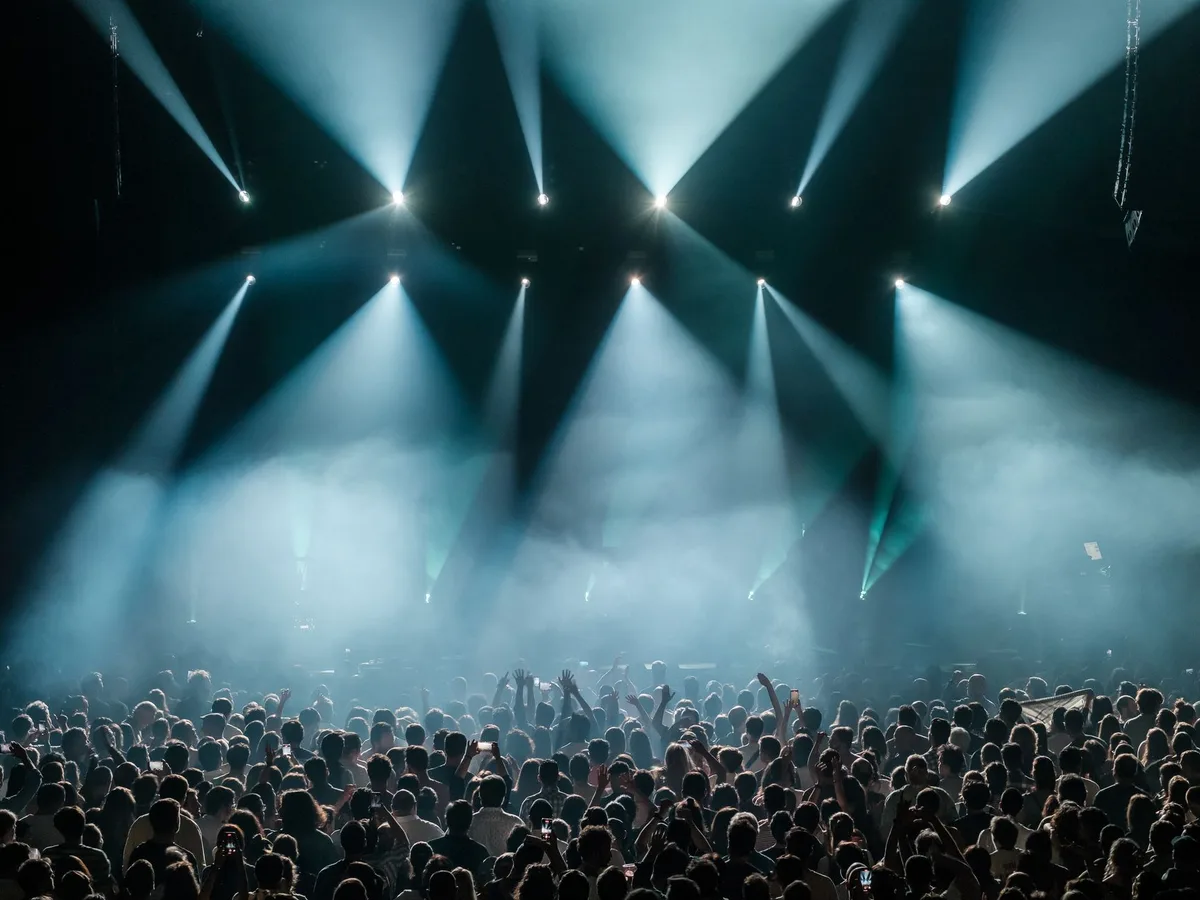
Live music and big events are one of the last things many people want to cut. The problem is not loving a show. The problem is buying it the expensive way: reacting to a drop alert, ignoring fees until checkout, paying resale panic prices, then floating the whole night on a credit card that still has a balance in March. Ticket sticker shock is real. Bureau of Labor Statistics data show that prices for admission to movies, theaters, and concerts rose about 105 percent from 2000 through 2025, while sporting event admissions rose even more. Fans feel that in the cart every season.
This guide is for US fans who want the night out without wrecking cash flow. It covers fee anatomy, when buying early or waiting can help, official sales versus secondary markets, memberships and presales, payment method tradeoffs, a simple show sinking fund, scams, and the pitfalls that quietly double the cost of a night out. This is education, not a promise that any tour will be cheap, and not advice to skip bills for a pit ticket.
Read the All-In Price, Not the Seat Map Teaser
Every ticket conversation starts with the wrong number if you stare at face value alone. Modern checkout stacks several charges on top of the advertised seat price. Common layers include:
- Service or order processing fees: platform charges that often scale with ticket price.
- Facility or venue fees: amounts tied to the building or promoter, sometimes shown separately.
- Delivery or mobile entry fees: charges for how you receive the ticket, even when the ticket is a barcode on your phone.
- Taxes: local and state amounts that vary by venue city.
- Parking, preferred seating, and add-ons: optional in theory, easy to click in practice.
Illustrative math helps. A seat listed at $95 with a $18 service fee, a $12 facility fee, and a $4 mobile delivery fee is a $129 ticket before parking. Two of those seats are $258. Add $40 for parking and $60 for food and a drink, and a simple weeknight show is nearly $360 for two. The seat map never showed that story.
Make all-in comparison a habit. Before you tap Buy, write down face value, fees, delivery, and any required parking. Compare that total across sections, not just the cheapest-looking row. Sometimes moving eight rows back drops fees and face value enough to free money for the ride home. Sometimes the premium section is not worth the jump once fees apply to both options.
Dynamic pricing makes the teaser even less trustworthy. On some primary platforms, face value itself moves with demand during the sale window. Two fans refreshing the same map ten minutes apart can see different base prices for similar seats. That is another reason to decide your maximum all-in spend before the sale starts, then walk away when the live number clears it.
Print or screenshot the fee breakdown before you confirm. If a friend asks what you paid, answer with the all-in number. Habitually saying "$95" when you spent $129 trains you to under-budget the next show. Honest totals make the sinking fund accurate and make FOMO offers easier to refuse.
When to Buy: On-Sale, Wait, or Watch Resale
Timing is strategy, not superstition. Different shows behave differently, so match the tactic to the demand pattern.
Hot tours and must-see dates
For stadium headliners and limited runs that sell out in minutes, the primary on-sale at face value is often the cheapest legitimate path. Waiting usually means secondary market markups, not discounts. Your job is preparation: accounts created, payment method saved, presale codes ready, and a clear seat budget so adrenaline does not upgrade you into next month's regret.
Mid-tier and soft-selling shows
Plenty of excellent concerts never hit frenzy pricing. For those, you can often wait, watch inventory, and buy when a promo code appears, when a section opens, or when the venue pushes a last push. Secondary asks for soft shows sometimes fall below original all-in primary prices as the date approaches. Flexibility is the discount: alternate nights, alternate cities within a drive, or a different artist on the same bill.
Secondary market rhythm
Resale prices are not a straight line. They often spike right after a sell-out, dip when sellers get nervous weeks later, then rise again if the show is still scarce near the door. Nobody can guarantee a dip. What you can do is set a target all-in price and use alerts. If your number never appears, skip the show or take a cheaper section. Chasing the last expensive ticket is how entertainment budgets die.
Also respect release calendars. Artist announcements, festival lineups, and sports playoff clinches create predictable demand spikes. Buying the week of a viral clip or a surprise collab announcement is rarely the calmest moment for price. If you can wait 48 hours after the internet loses its mind, you often shop with clearer eyes even when the dollar amount barely moves.
Official Primary Sales Versus Secondary Markets
Primary means buying from the official seller for that event: the venue box office path, the authorized ticketing partner, or the team or promoter storefront. Secondary means someone else already holds the ticket and is reselling it, either on a big marketplace or person to person.
Primary advantages are usually clearer face value (even with fees), official transfer rules, and a direct relationship if the show is postponed or cancelled. Secondary advantages are access after sell-outs and, sometimes, bargains when sellers need cash. Secondary risks include higher prices, confusing fee stacks, transfer delays, and listings that look official but are not.
A practical order of operations many careful fans use:
- Join official artist, venue, and team lists so you hear about real onsales first.
- Buy on the primary sale when seats at your budget are available.
- If sold out, check the platform's own verified resale before random sites.
- Use major marketplaces with written buyer guarantees only after you read what the guarantee actually covers.
- Avoid wiring money, paying gift cards, or transferring funds to a social media seller you cannot verify.
Cancellation and postponement policies differ by seller. Screenshot order confirmations, seat details, and refund language the day you buy. If a show moves dates and you cannot attend, your rights depend on the seller's terms and, in some cases, how you paid. Education first: know the policy before you need it.
Presales, Memberships, and Codes That Actually Help
Presales are early buying windows before the public on-sale. They do not magically create more great seats, but they can move you ahead of the general scramble. Common doors include artist fan clubs, venue memberships, credit card holder presales, radio or streaming partner codes, and employer or student offers.
Treat membership math like any other subscription. A $40 annual fan club that gets you one solid face-value seat you would have paid $120 over face to get on resale can be a win. A $120 membership that only unlocks soft shows you were not going to attend is a leak. Track what you used last year before you renew.
Operational readiness matters as much as the code:
- Create ticketing accounts days before the sale, not during the queue.
- Verify email and phone for two-factor prompts.
- Save a payment method that will not decline under velocity checks.
- Know your maximum section and all-in price so you do not browse into debt.
- Use a stable connection; frantic switching between devices can kick you backward in some queues.
Artist and venue newsletters still matter. Many legit codes arrive by email or app notification. Scam codes arrive as urgent texts with shortened links. If a message pressures you to "unlock tickets now" through an unfamiliar site, open the artist's verified site yourself instead of tapping the link.
Credit card and bank presales deserve a special note. Some cards advertise early access for cardholders. That access can be useful, but it is not a reason to open a new card for one show unless you already planned the product and will pay in full. A temporary spike in credit inquiries or a temptation to carry a balance can cost more than the seat upgrade.
Pay With Protection in Mind, Then Pay the Card Off
How you pay is part of the ticket strategy. For large entertainment purchases, many households prefer a credit card because federal rules around billing errors and card network dispute processes can help when something goes wrong with delivery or a merchant charge. The Federal Trade Commission explains how credit card billing-error disputes work, including steps for writing the issuer when charges are wrong or goods are not delivered as agreed.
Debit cards pull from your checking account immediately. Unauthorized debit activity has protections under electronic fund transfer rules, and the Consumer Financial Protection Bureau outlines how to report missing funds and what timelines may apply. Still, debit disputes can feel slower and more stressful because the cash is already gone from the account you use for rent.
None of that protection helps if you carry a balance. A $300 ticket pair at roughly 22 percent APR that takes a year to pay off can add tens of dollars in interest, which is a silent seat fee nobody prints on the receipt. The clean approach many fans use:
- Buy with a credit card for potential dispute tools and purchase protections listed in the card benefits guide.
- Move the same amount from the show sinking fund to the card payment the same week, or keep a limit so the purchase never outruns cash.
- Skip buy-now-pay-later for tickets unless you have done the full cost math, including late fees, and still prefer it over waiting for the next tour.
If credit utilization or payment history is on your mind while you plan a big entertainment year, a monitoring tool such as WalletHub Premium can help you watch scores and alerts. The goal is not to finance fandom. The goal is to keep the hobby from spilling into expensive revolving debt.
Build a Show Fund So Concerts Stop Ambushing the Budget
The biggest discount in live entertainment is paying cash you already saved. A sinking fund is simply money set aside on purpose for a known future expense. Concerts fit that model perfectly: you know you want a few shows a year, you can estimate costs, and you can automate the saving.
Try this simple annual plan:
- Count the shows you realistically want (for example, four).
- Estimate all-in cost per show, including fees, travel, parking, and a food buffer (for example, $220).
- Multiply: 4 x $220 = $880 for the year.
- Divide by 12: about $73 per month.
- Automate $73 into a nicknamed bucket in a high-yield savings account labeled Show Fund.
When tickets drop, you buy from the fund. When the fund is empty, you wait for the next refill cycle or skip. That rule sounds strict because it is. It is also how fans stay solvent through surprise announcements.
You can refine the math. If two of your four shows are local and two require a hotel, budget them as different line items. If you share costs with a partner, fund the household share, not the fantasy share. If festival season clusters in summer, front-load transfers from January through May so July does not arrive empty.
Interest helps a little when the money sits in a competitive savings yield, but the real win is behavioral. Separating show money from rent money reduces the odds that a Friday night impulse becomes a Monday morning problem. Pair the fund with a calendar note for known onsales so you are not surprised by your own hobbies.
If a surprise announcement lands before the fund is ready, you still have choices that beat panic debt. Trade down a section, go to one night instead of two, split costs with a friend, or skip merch and rideshare upgrades. The fund is a tool, not a prison. It simply makes the tradeoffs visible before the queue timer expires.
Spot Ticket Scams Before You Send Money
Ticket fraud follows a familiar script: urgency, scarce inventory, a deal that looks too kind, and a push to pay outside a protected platform. The FTC has warned fans about bot-driven bulk buying that drains primary inventory and about brokers who dodge purchase limits. Fans also face fake sites that clone real brand names, social sellers with stolen screenshots, and phishing texts that harvest account logins.
Red flags worth treating as stop signs:
- Prices far below every other listing for the same seat quality.
- Sellers who refuse platform checkout and demand wire transfers, cryptocurrency, gift cards, or peer payment apps marked as friends and family.
- Pressure to decide in minutes because "another buyer is waiting."
- Links in unexpected texts or DMs that ask you to log in and "confirm" your tickets.
- PDFs or screenshots offered as proof instead of an in-app transfer through the official ticketing system.
If something already went wrong, document everything, contact the platform and your card issuer or bank quickly, and report the pattern at the FTC's ReportFraud site. Reporting will not always recover funds, but it helps investigators map repeat scams and it warns other fans. Recovery scammers may also contact people who already lost money and offer to "get the tickets back" for an upfront fee. That second hit is a classic follow-on fraud.
Keep your own accounts boring and secure. Unique passwords, two-factor authentication on email and ticketing apps, and skepticism toward unsolicited "your order needs verification" messages prevent a large share of account-takeover ticket theft.
Pitfalls That Quietly Inflate the Night, Plus a Bottom Line
Even a fair ticket price can balloon after checkout. Watch these common leaks:
- Parking and rideshares: downtown arena parking can rival a cheap ticket. Compare transit, a cheaper lot farther out, or a shared ride before you assume on-site parking.
- Merchandise pressure: limited drops are designed for impulse. Decide a merch budget before you enter, or buy the tour shirt online later if the premium at the stand is steep.
- Dynamic upgrades: seat upgrade offers in the app can be worthwhile, but only against your pre-set ceiling.
- Multiple small shows versus one mega tour: four $80 local nights can cost less and feel better than one $400 spectacle with travel, especially when fees stack on the big show.
- FOMO math: social feeds compress envy. Your budget does not owe the algorithm a pit ticket.
A quick household rule that travels well: entertainment spending should not compete with emergency savings, high-interest debt payments, or rent. If those foundations are shaky, pause the on-sale alerts until the basics are steadier. Live shows will still exist. Your future self will thank you for arriving at them without a debt hangover.
Bottom line: treat tickets like any other planned purchase. Demand the all-in number, prefer official channels when you can, use memberships only when the math works, pay in a way that preserves dispute options without creating interest costs, and fund the hobby monthly in a dedicated savings bucket. Fans who do that still get the chorus in person. They just stop paying panic prices for the privilege.
Everything you save starts with something you know.
Knowing how interest, insurance, and fine print really work is the discount that applies to everything for the rest of your life. The Financial IQ Test scores that knowledge across 90 tests and shows you where the expensive gaps are.
Test your Financial IQQuestions people ask
When is the cheapest time to buy concert tickets?
There is no single magic day. Primary on-sale prices are usually the floor for hot tours. On the secondary market, prices often peak right after sell-outs and again near the show if demand is strong. For many mid-tier events, waiting a few weeks after the frenzy can lower resale asks. For must-see tours, buying early at face value through official channels is often the safer money move.
Are service fees negotiable or avoidable?
On most major platforms, service and facility fees are part of the checkout total and are not bargained away at the cart. You can sometimes reduce delivery fees by choosing mobile entry, and you can avoid some third-party markups by buying on the official primary sale. Always compare all-in totals, not the bold face price on the seat map.
Is buying from a secondary marketplace safe?
Reputable marketplaces with buyer guarantees and clear transfer rules are generally safer than social media DMs or wire transfers to strangers. Still read the guarantee: what happens if the seller fails to transfer, the show is cancelled, or the barcode is invalid. Prefer official verified resale when the venue or primary seller offers it.
Should I use a credit card or debit card for tickets?
Many fans prefer a credit card for large ticket purchases because federal billing-error rules and card network dispute tools can help when tickets are not delivered as agreed. Debit pulls cash immediately and often has a narrower protection path. Either way, pay the balance in full. Interest turns a great seat into an expensive loan.
How much should I budget for live shows each year?
Start with how many shows you actually want, multiply by a realistic all-in cost including fees, travel, parking, and food, then divide by twelve. Automate that monthly amount into a nicknamed savings bucket. If the monthly transfer squeezes rent or essentials, shrink the show count rather than financing the gap.
Keep reading
50 Real Ways to Save Money in 2026, Ranked by Effort
The Subscription Audit: Find and Cancel Your Money Leaks

The Grocery Savings System: Cut Your Food Bill 25%
The Flourish Letter
One smart money idea each week, charts included. Join free and get the printable 2026 Money Calendar in your welcome email.