How to Save Money on Parking and Tolls in 2026
Key takeaways
- Track one full month of parking and toll spending before you change habits, because most drivers underestimate the real total by a wide margin.
- Electronic toll tags such as E-ZPass, SunPass, FasTrak, and TxTag usually beat video or invoice rates, and unpaid cashless tolls can add late fees on top.
- Employer parking and transit benefits can shelter up to about $340 a month each in 2026 under IRS qualified transportation fringe rules when your workplace offers them.
- Airport trips reward booking offsite lots or park-and-ride early, because onsite daily rates often cost several times more than nearby alternatives.
- A realistic monthly cut of $150 to $300, redirected into savings, compounds into meaningful money over a decade even at modest returns.
Parking and tolls are the stealth line items of American driving. Fuel gets debated. Insurance gets shopped. The garage ticket, the meter app charge, the airport lot, and the cashless gantry often slide through the month unchallenged. Yet for people who work downtown, fly a few times a year, or live near tolled corridors, those fees can rival a car payment. The Bureau of Transportation Statistics notes that transportation remains one of the largest household spending categories in the United States, second only to housing for many families. Parking and tolls sit inside that pile, quiet and repeated.
This guide is a practical US playbook for cutting those costs without pretending everyone can bike to work tomorrow. You will audit what you actually spend, stack electronic toll discounts, use employer benefits the tax code already allows, redesign city and airport parking, and compare driving with transit on real dollars. Education only. Your commute, your city rules, and your schedule still decide what fits.
Start With a One-Month Parking and Toll Audit
Most people guess low. A twenty-dollar garage feels like a workday annoyance, not a six-thousand-dollar annual habit. Before you change anything, capture one clean month of every parking fee, meter session, garage subscription, airport lot, valet tip, and toll invoice. Pull bank and card statements. Export your toll-tag account. Photograph receipts stuck in the cup holder. Put the total at the top of a note on your phone.
Sort the month into buckets that match how you actually drive. Commute parking. Errand and evening street parking. Weekend events. Airport or hotel trips. Recurring tolls on the same corridor. One-off toll bridges. The pattern usually jumps out. Many drivers discover that three habits create most of the pain: weekday garage parking, a tolled express lane used on autopilot, and airport onsite lots booked at the last minute.
A simple example helps. Suppose weekday garage parking runs $22 a day for 20 workdays, which is $440 a month. A round-trip toll of $7 on those same days adds $140. Two airport trips a year at $28 a day for five days each add another $280 annually, or about $23 a month when smoothed. That stack is already more than $600 a month before meters, tickets, or surge pricing. You do not need a perfect spreadsheet. You need a total large enough that you stop treating parking as spare change.
Know the Real Price of City Parking
City parking is a menu, not a single product. Street meters, residential permits, commercial garages, app-reserved spots, park-and-ride lots, and employer lots all price risk and convenience differently. The cheapest posted rate is not always the cheapest day if it exposes you to a ticket, a tow, or an hour of circling.
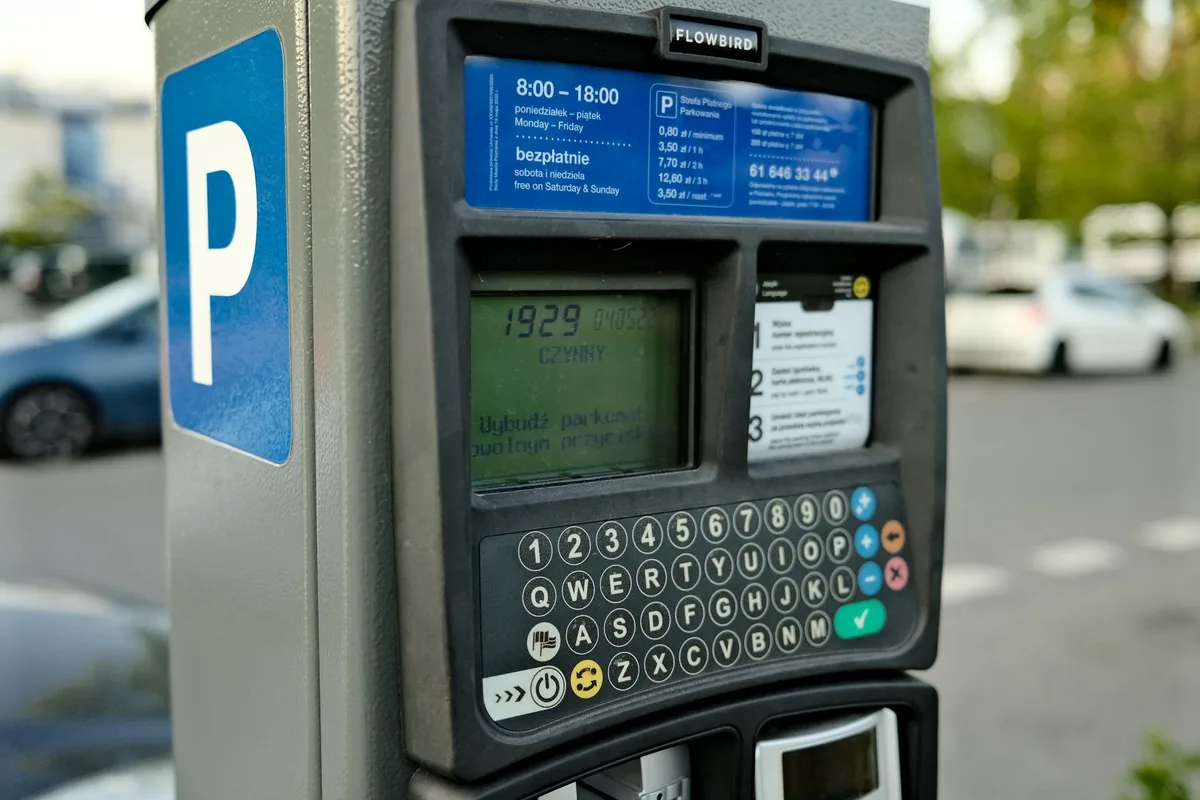
Street meters often look affordable by the hour and get expensive by the full workday. A $3.50 meter for eight hours is $28 before any app fee, and many downtown zones enforce time limits that force you to move or feed another session. Commercial garages advertise early-bird specials that undercut the all-day transient rate if you enter before a cutoff and stay through the afternoon. Monthly contracts usually beat daily tickets once you are in the garage more than about 12 to 14 days a month, though the break-even depends on your city.
Residential and neighborhood tricks matter too. Some cities allow free evening street parking a few blocks outside the core. Park-and-ride lots near transit hubs trade a cheap or free outer lot for a train or bus ride into the expensive zone. Event parking near stadiums and arenas is its own market. Walking ten extra minutes or arriving early can cut the price in half compared with the lot next to the gate.
Parking apps earn their keep when they prevent a ticket or unlock a cheaper reserved rate. They waste money when they layer a convenience fee on the same garage you could walk into. Before you tap pay, read the all-in total. Compare it with the posted early-bird, the monthly contract math, and the cost of parking farther out plus a short transit hop. Convenience is worth something. Blind convenience fees are not.
Tickets deserve a separate line in your audit. One $65 citation can erase weeks of careful meter timing. If you regularly cut it close on street parking, a garage or a monthly spot can be the cheaper insurance policy. The goal is the lowest all-in cost including the probability of a fine, not the lowest sticker on a good day.
Employer Parking, Transit Benefits, and Cash-Out Options
If you have a job with a formal benefits portal, open it before you renegotiate anything else. Federal tax rules allow employers to offer qualified transportation fringe benefits for parking and for transit or vanpooling. In 2026, many programs use monthly limits around $340 for qualified parking and around $340 for transit. Details live in IRS fringe-benefit guidance, and your HR team can confirm whether your workplace participates.
Pre-tax parking is not free parking. It is parking paid with dollars that skip income and payroll taxes first. On a rough example, $300 of monthly garage fees paid pre-tax might cost a typical employee closer to $210 to $240 in take-home pay, depending on tax bracket and local rules. That gap is real money every month. Transit benefits work the same way for passes and eligible vanpools, which is why a mixed strategy (cheap outer parking plus a transit pass) can beat an expensive downtown garage even before you count fuel.
Ask three specific questions at work. First, can I pay for parking or transit with pre-tax payroll deductions or a commuter card? Second, does the company subsidize parking, and if so, is there a cash-out or transit alternative if I decline the space? Third, are there preferred vendor rates, carpool permits, or shuttle programs the office already funds? Parking cash-out programs, where they exist, let workers who give up a subsidized space take cash or a transit benefit instead. That turns a perk only drivers use into something bike, transit, and remote-hybrid workers can share.
Toll Roads, Tags, and Cashless Billing
The Federal Highway Administration tracks toll facilities across the United States, from long turnpikes to bridges, tunnels, and managed lanes. More of those facilities are cashless than a decade ago. That shift is convenient when you have a prepaid tag. It is expensive when your plate gets billed at the video rate, then billed again with a late fee.
Electronic tags go by many names. E-ZPass covers a large multi-state footprint in the Northeast and Midwest. SunPass is central in Florida. FasTrak is common in California. TxTag and other regional systems serve Texas corridors. Peach Pass, ExpressToll, and similar brands cover other states. Interoperability has improved, but it is not universal. Before a road trip, check whether your home tag works on the roads you will drive, or whether you need a second account for that region.
Price gaps are the point. A tag rate might be $4.75 while the pay-by-plate invoice is $6.75 or more for the same gantry. Miss the invoice and the cost can jump again. If you drive a tolled commute twenty days a month and save $2 per day with a tag, that is roughly $40 a month and $480 a year before you count avoided late fees. For households that cross bridges often, the savings are larger.
Managed lanes and HOT lanes deserve a separate habit check. Dynamic pricing can be worth it when you are late for a flight or a meeting. It is a quiet budget leak when you enter the lane every afternoon out of habit. Many drivers set a personal rule: express lanes only when the regular lanes are stopped, or only above a time threshold you choose in advance. Carpool rules still matter on some corridors. A legal HOV trip can be free or discounted where a solo trip is tolled. Confirm the current occupancy rule for your lane before you assume the old sign still applies.
Rental cars create their own toll trap. Agencies often add a daily toll-admin fee whether you hit a gantry or not, or they pass through video tolls plus a markup. If you rent often in tolled metros, ask whether you can use your own tag, decline the agency toll package, and still receive plate invoices at a sane rate. Read the rental contract. The cheapest sticker rate on the lot can become the expensive trip once toll admin fees stack.
Airport Parking Without the Onsite Markup
Airport parking is where last-minute decisions get punished. Onsite hourly and daily garages price urgency. Offsite lots, hotel park-and-fly packages, and transit-to-terminal options price planning. The difference on a weeklong trip is often larger than a checked-bag fee.
Run a quick comparison every time you book a flight. Onsite economy might run $18 to $32 a day at many airports. Offsite lots with a shuttle commonly land in the $8 to $14 range when reserved ahead. A seven-day trip at $28 onsite is $196. The same week at $11 offsite is $77. That is $119 back in your pocket for riding a shuttle that already exists. Hotel park-and-fly deals sometimes include a night stay plus free parking for a set number of days, which can win when you needed the hotel anyway.
Transit to the airport is the cleanest win when your metro has a reliable rail or bus link. Add the round-trip fare, any local parking at the station, and the value of not tipping a shuttle driver in the rain. Drop-off by a friend is free only if you ignore their fuel and time. Rideshare can beat parking on short trips and lose badly on long ones. Do the arithmetic for the length of stay you actually booked.
Book early, screenshot the confirmation, and confirm shuttle hours for your return flight. The offsite bargain disappears if the lot is sold out or the last shuttle cannot meet your red-eye. For very early departures, some travelers still choose onsite for sleep and certainty. That can be rational. Just make it a conscious premium, not a default.
Transit, Carpools, and Hybrid Weeks
Not every parking problem is a parking problem. Sometimes the cheaper move is fewer car days. Federal Transit Administration resources and local agency trip planners make it easier than it used to be to test a bus, rail, or ferry option for part of the week. You do not need a permanent identity change. You need a two-week experiment with honest cost tracking.
Build a side-by-side for your real commute. Driving column: fuel or charging, parking, tolls, and a small maintenance allowance. Transit column: monthly pass or per-ride fares, plus any first-mile parking. Carpool column: your share of fuel and tolls, plus the schedule constraints. Hybrid column: three drive days and two transit days, which is how many office workers actually live now.
Suppose driving costs $28 a day all-in for parking, tolls, and fuel on a 20-day month, or $560. A monthly transit pass at $120 plus $40 in occasional rideshare on late nights is $160. Even if you only switch eight days a month to transit, you might cut about $224 from driving costs while adding a prorated slice of the pass. The exact math depends on whether the pass is unlimited and whether parking is daily or monthly. The principle holds: partial switches still move the needle.
Carpools and vanpools shine on tolled corridors with HOV discounts and on employer programs that reserve prime spaces for multi-rider cars. The social coordination is the hard part. The money is usually easy. If your workplace already runs a vanpool match or a ride board, try it for a month before you renew an expensive solo garage contract.
A Practical Stack That Fits Real Life
Savings stick when they become a short checklist rather than a personality overhaul. Use this order so you capture the large wins first.
After the first month, lock in the structural changes. Put the toll tag on autopay with a low-balance alert. Set a calendar reminder to renew any monthly parking decision before the daily rate creeps back in. Keep the airport parking comparison template in your notes app so every trip starts with the same three quotes. If your employer offers pre-tax transit or parking, enroll during the next open window instead of waiting for a perfect commute plan.
Watch for fees that pretend to be inevitable. Valet at restaurants and hotels is optional more often than the podium implies. Event parking sold through a single app may have a cheaper lot two blocks away. Street-cleaning and permit rules change. A ticket you get twice a year on the same block is a signal to change the block, not to complain about the city.
What the Savings Are Worth Over Time
A parking and toll cut is powerful because it repeats. Unlike a one-time coupon, a cheaper commute resets every workweek. That is why redirecting the difference matters. If you free up $200 a month and spend it without noticing, you improved cash flow for about thirty days. If you park it toward an emergency fund, a car-repair reserve, or another named goal, the same cut builds a cushion.
Many households use a high-yield savings account as the holding pen for money freed from recurring bills. Returns change with the rate environment, so treat growth figures as illustrations rather than promises. The Investor.gov compound interest tools are a clear place to explore the math with your own numbers.
Work a plain example. Save $200 a month for ten years with no return and you set aside $24,000. At a steady 4 percent annual return with monthly contributions, the same habit grows to roughly $29,500. At 5 percent, roughly $31,200. Your results will differ with rates, taxes, and timing. The lesson is simpler than the formula: parking and tolls are large enough, and frequent enough, that fixing them funds real goals.
If your audit showed a smaller gap, start anyway. Seventy-five dollars a month is $900 a year. That covers an insurance deductible, a chunk of holiday travel, or the first cushion that keeps a surprise car repair off a credit card. Perfect optimization is optional. Permanent redirection is the habit that pays.
Common Mistakes That Erase the Win
The first mistake is optimizing meters while ignoring the monthly garage. Tiny street-parking wins feel productive. The garage contract is where the dollars live. Flip the order.
The second mistake is driving cashless toll roads without a tag, then ignoring mail. Plate bills escalate. Collections help nobody except the agency. Open the envelope, pay on time, then order the tag.
The third mistake is booking onsite airport parking because you are tired at midnight before a trip. Set a rule that any trip longer than two nights gets an offsite or transit quote before you pack.
The fourth mistake is treating employer benefits as paperwork for later. Pre-tax parking and transit are among the rare fringe benefits that convert directly into lower commuting costs. Later often means another full year at the post-tax rate.
The fifth mistake is cutting parking in a way that burns hours you value more than the money. A ninety-minute transit trip that makes childcare impossible is not a bargain. Choose the mix that your actual life can sustain for a year, not the mix that wins a theoretical spreadsheet.
The Bottom Line
Saving money on parking and tolls is less about secret lots and more about treating these fees like any other major bill. Measure a real month. Prefer tags over video tolls. Use employer pre-tax benefits when they exist. Trade expensive downtown days for park-and-ride or transit where the math works. Book airport parking with the same care you use for airfare. Then move the freed cash somewhere it cannot quietly turn back into convenience spending.
Drivers who do this once often find the next renewal cycle easy. The garage quote looks different when you know the transit alternative. The express lane looks different when you have a personal rule. The airport garage looks different when an offsite confirmation sits in your inbox. Transportation will keep being a top household cost in US budgets. Parking and tolls do not have to take more of that budget than they earn.
Everything you save starts with something you know.
Knowing how interest, insurance, and fine print really work is the discount that applies to everything for the rest of your life. The Financial IQ Test scores that knowledge across 90 tests and shows you where the expensive gaps are.
Test your Financial IQQuestions people ask
Is an electronic toll tag really cheaper than paying by plate?
Usually yes. Many US toll authorities charge a lower rate for prepaid tags and a higher video or invoice rate for license-plate billing. The gap can be a few dollars per gantry, and missed invoices can add late fees and collections costs. A single interoperable or regional tag often pays for itself in a month or two if you hit toll roads regularly.
How do employer parking and transit benefits work?
Under IRS rules for qualified transportation fringe benefits, many employers can let you set aside pre-tax pay for qualified parking and for transit or vanpool costs, each up to a monthly federal limit. In 2026 that limit is about $340 a month for parking and about $340 a month for transit. Ask HR whether your workplace offers a commuter benefits card or payroll deduction, because the tax savings can be larger than another coupon hunt.
Are parking apps worth the convenience fees?
Sometimes. Apps that reserve a garage spot or extend a meter can prevent tickets that dwarf the small booking fee. Apps that only add a convenience charge on top of the same posted rate are less useful unless they save you circling time and fuel. Compare the all-in price, including taxes and service fees, against walking two blocks to a cheaper lot.
What is parking cash-out?
Parking cash-out is when an employer who already pays for employee parking offers workers a cash or transit alternative if they give up the parking space. Some cities and states encourage or require versions of this idea. If your workplace offers free or subsidized parking, ask whether a cash or transit option exists. Taking the cash and switching to transit or carpooling can turn a hidden perk into money you can actually spend or save.
How should I compare driving with tolls versus transit?
Add parking, tolls, fuel or electricity, and wear into one monthly driving total, then compare it with a monthly transit pass plus any last-mile costs. Include time only if your schedule truly cannot absorb a longer trip. For many urban and suburban workers the dollar gap favors transit or a hybrid week, even when transit is not faster every single day.
Where should leftover parking and toll savings go?
Many households park the difference in an emergency fund or short-term goal account so the win does not vanish into everyday spending. A <a href="{{AFF_LINK_HYSA}}">high-yield savings account</a> is a common parking place for money you may need within a few years. The point is to make the cut permanent by giving the freed cash a named job.
Keep reading
50 Real Ways to Save Money in 2026, Ranked by Effort

The Subscription Audit: Find and Cancel Your Money Leaks

The Grocery Savings System: Cut Your Food Bill 25%
The Flourish Letter
One smart money idea each week, charts included. Join free and get the printable 2026 Money Calendar in your welcome email.