How to Save Money on Plumbing Repairs in 2026
Key takeaways
- Silent leaks and running toilets quietly raise water bills and moisture risk long before a dramatic failure.
- DIY suits accessible flappers, traps, and aerators; gas, sewer, and whole-house pressure work belong to licensed pros.
- Written scopes that separate diagnostic fees, parts, labor, permits, and warranties make quotes comparable.
- Weekday scheduled repairs usually beat nights, weekends, and holiday emergency rates for non-urgent jobs.
- Prevention habits like drain screens, braided supply lines, and knowing the main shutoff cut both waste and flood severity.
- A dedicated repair reserve in a high-yield savings account turns a broken heater into a cash problem, not a debt spiral.
A dripping faucet sounds like a small problem until the water bill jumps, the vanity swells, or a Saturday emergency call arrives with a three-digit after-hours fee. Plumbing is one of the few home systems that can quietly waste money every day and then explode into a four-figure surprise overnight. The good news for US homeowners in 2026 is that a large share of plumbing spend is controllable. Prevention, smart diagnosis, fair bidding, and a dedicated repair fund turn chaos into a plan.
This guide is practical education for cutting plumbing costs without gambling with safety. You will see when DIY is reasonable, when a licensed pro is the cheaper path long term, how common clogs and leaks actually behave, what fair quotes look like, how warranties and prevention change the math, and when emergency rates apply. Keep a repair reserve in a high-yield savings account so a broken supply line does not become high-interest credit card debt.
Where Plumbing Money Actually Goes
Most households do not budget for plumbing as a line item. They react. A toilet runs for weeks. A slow drain becomes a weekend project. A water heater fails on a holiday weekend. The spend shows up as water waste, water damage, service call fees, parts markups, and financing interest when cash is not ready.
Think in three buckets. First is prevention and small parts: flappers, aerators, supply lines, drain screens, and annual checkups. Second is scheduled repairs: a cartridge faucet rebuild, a water heater anode check, a sewer cleanout before a backup. Third is emergencies: burst pipes, sewage backups, and no-hot-water failures that force same-day work. The households that spend less over a decade usually overspend slightly on the first two buckets so they under-spend on the third.
EPA WaterSense has long noted that household leaks can waste thousands of gallons a year and that a faucet dripping once per second can waste more than 3,000 gallons annually. That is not only a conservation issue. It is a cash issue on metered water and a moisture risk under cabinets and behind walls. Finding leaks early is one of the highest-return habits in homeownership.
DIY Versus Pro: A Safety-First Decision Tree
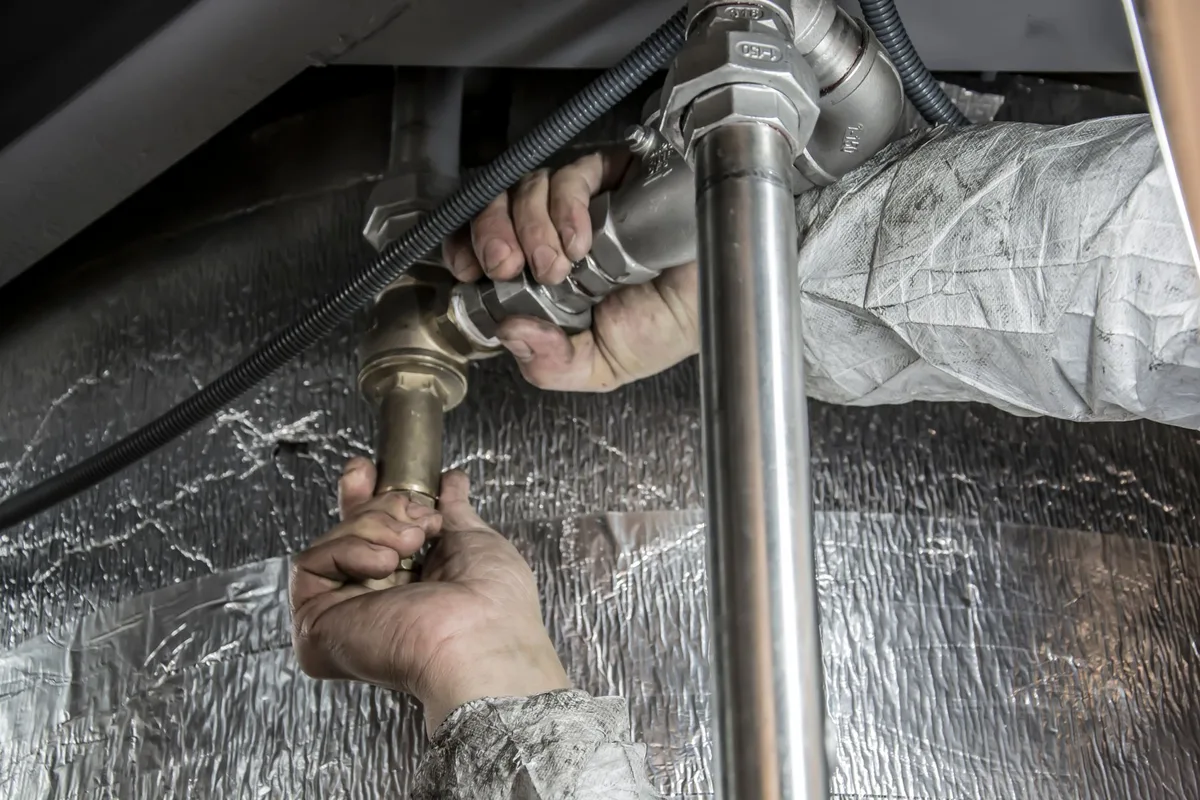
DIY is not automatically cheaper. A $40 part becomes a $900 repair when a wrong fitting floods a floor. The decision is about risk, code, and the cost of being wrong, not pride.
Often reasonable DIY for handy homeowners
- Replacing a toilet flapper, fill valve, or wax ring when the closet flange is intact
- Clearing a sink trap (P-trap) that is accessible and not glued into a complex assembly
- Swapping a faucet aerator or a simple compression stop valve that is not seized
- Installing a WaterSense-labeled showerhead with tape and a firm hand
- Using a plunger correctly on a toilet before chemicals or a snake
- Replacing a flexible braided supply line that is within reach and shuts off cleanly
Call a licensed plumber sooner rather than later
- Any gas water heater, gas line, or combustion venting work
- Main water shutoff problems, meter-side issues, or pressure problems that affect the whole house
- Sewage backups, sewer line breaks, or anything involving black water
- Galvanized, polybutylene, or failing copper with widespread pinholes
- Water heater replacement, expansion tank work, or temperature and pressure relief valve issues
- Anything that requires permits, inspections, or opening finished walls and floors
If you rent, check your lease and local rules before you open a wall or replace a fixture. If you own a condo, confirm association rules for unit plumbing and shared stacks. Education first, then tools.
Diagnosing Common Issues Without Panic
Good diagnosis saves money because it stops you from buying the wrong part or paying for a full tear-out when a $12 seal was the culprit. Work from least invasive to more invasive. Shut off water when you open a joint. Keep a towel and a bucket ready. If you smell gas, leave the area and call your utility or emergency services rather than improvising.
Clogged drains
Start with mechanical methods. A plunger designed for sinks or toilets is often enough. Next, remove and clean the P-trap under a sink. Hair, grease, and toothpaste form a soft plug that looks dramatic and costs almost nothing to clear. Avoid pouring harsh chemical drain openers into a toilet or a drain you plan to snake yourself. Chemicals can damage pipes, splash, and leave a hazardous soup for anyone who opens the trap later.
If multiple fixtures back up at once, the clog is likely farther down the branch or in the main line. That is pro territory for many homes, especially older clay or cast iron sewer laterals. A camera inspection can look expensive until you compare it with digging in the wrong place. Ask whether the quote includes camera footage you can keep.
Running toilets
A toilet that runs intermittently is one of the most common silent water wasters. Lift the tank lid. If the water level is at the overflow tube, the fill valve may be set too high or failing. If the tank empties into the bowl between flushes, the flapper or flush valve seal is likely worn. Flappers are inexpensive and usually a beginner-friendly swap. Match the flapper to your toilet model when possible. A universal flapper can work, but a model-specific part often seals better.
Dye tablets or a few drops of food coloring in the tank can confirm a silent leak into the bowl. Wait 10 to 15 minutes without flushing. Color in the bowl means the seal is bypassing. Fixing that leak often pays for itself on the next water bill cycle.
Dripping faucets
Cartridge, ceramic-disk, ball, and compression faucets fail differently. Identify the brand and style before you buy parts. Shut off the supply stops under the sink. If a stop valve will not turn, do not force it until it snaps. That is a classic DIY-to-flood story. A plumber can often replace a seized stop as part of a faucet service call.
A drip that seems minor still adds gallons over months and can stain fixtures. It also signals that seals are aging. Replacing a cartridge on a modern faucet is often a one-hour project with the right tool. Older two-handle compression faucets may need washers and seats. If mineral buildup is severe, soaking parts in vinegar can help, but do not soak rubber parts until they swell out of shape.
Water heater basics homeowners can check
No hot water, lukewarm water, or rusty water each points to different issues. For electric tanks, a tripped breaker or a failed element is common. For gas tanks, a pilot or ignition problem needs careful handling. Many manufacturers and safety educators suggest a thermostat setting around 120 degrees Fahrenheit for everyday use. That setting can reduce scald risk and standby energy use compared with hotter factory defaults. Confirm guidance for your household, especially if a dishwasher or special hygiene need requires hotter water, and follow the manufacturer instructions when adjusting thermostats.
Sediment can reduce efficiency and shorten tank life in hard-water areas. Periodic flushing, anode rod inspection, and expansion tank checks are maintenance many homeowners skip until the unit fails. Replacement timing matters. A tank that is 10 to 15 years old with visible corrosion, leaking fittings, or frequent element failures may be cheaper to replace on a weekday schedule than to nurse through another emergency weekend.
What Fair Quotes Look Like in 2026
Plumbing pricing varies by metro area, time of day, and job complexity. Still, a fair process looks similar everywhere. You want clarity on the service call fee, the diagnostic fee, whether that fee credits toward repair, the parts list, labor hours, permit costs, and warranty terms. Vague verbal estimates are how small jobs become surprise invoices.
Ask for a written scope. For a faucet replacement, the scope should name the faucet, supply lines, shutoff valves if replaced, disposal of the old fixture, and whether drywall or countertop work is included. For a water heater, ask about haul-away, code-required upgrades (expansion tank, drip pan, seismic straps where required), permit and inspection, and whether same-day hot water is guaranteed after install.
Get two or three quotes for non-emergency work. Compare apples to apples. A low bid that omits required code items is not a bargain. A high bid that includes better parts and a longer labor warranty might win on total cost of ownership. Check license status with your state or local board when the job is large. Ask who will actually be on site: a licensed plumber, an apprentice under supervision, or a marketing company that subcontracts.
Beware of pressure tactics. "This price is only good if you sign today" is a red flag for many non-emergency repairs. Real water emergencies need speed. Cosmetic upgrades and elective replacements rarely do. Photograph the problem before work starts. Keep invoices and part numbers. If financing is offered, read the APR and total payments carefully. A cash price from a repair fund often beats a long installment plan with fees.
Warranties, Parts, and the Fine Print
Manufacturer warranties cover defects in the product under stated conditions. Labor warranties cover the installer's workmanship for a period. Both matter. A free replacement tank is cold comfort if you pay full labor again two years later. Ask how long labor is covered on the joint that fails, not only on the fixture brand.
Keep manuals and serial numbers. Register products when registration is required for full coverage. Using the wrong flapper, the wrong cartridge, or an aftermarket part that voids a finish warranty can erase savings. For water heaters, confirm whether a leak warranty requires an anode rod inspection schedule. Skipping maintenance can void coverage on some brands.
Home warranties are a separate product category. Some plans help with certain plumbing failures after a service fee. Others exclude preexisting conditions, fixtures, or sewer lines outside the foundation. Read exclusions before you treat a home warranty as your plumbing budget. An emergency cash reserve still matters even if a plan exists, because service fees, exclusions, and claim denials are common friction points.
Prevention That Pays for Itself
Prevention is the quiet half of saving money on plumbing. Screens on tub and shower drains catch hair before it becomes a snake job. Pouring grease into a jar instead of a sink protects the line. Knowing where the main shutoff is, and testing it once a year, turns a burst pipe from a flood into a controlled incident.
Replace rubber washing-machine hoses with braided stainless lines on a schedule rather than after they burst. Check under sinks twice a year for slow drips at supply connections. Listen for toilets that refill without being flushed. Compare winter water bills year over year when outdoor irrigation is off. EPA WaterSense home-maintenance guidance encourages meter checks when no water is in use: if the meter still moves, you likely have a leak.
Insulate exposed pipes in unconditioned spaces before a hard freeze. A frozen pipe that splits can cost far more than foam sleeves. If you travel in winter, ask a trusted neighbor to check the house or use leak-detection devices that alert your phone. WaterSense materials discuss leak detection and flow monitoring as tools that can catch irregular use early. Devices are not magic, but they can shorten the time between a failure and a response.
WaterSense-labeled toilets, faucets, and showerheads can cut indoor water use when you replace aging fixtures anyway. Pair efficiency upgrades with repair timing. If a toilet already needs a new fill valve and flapper, evaluate whether a full WaterSense replacement makes sense for an old water hog. Do the math on water and sewer rates in your city rather than assuming every upgrade pays back in one year.
When Emergency Rates Apply (and How to Soften Them)
Emergency pricing usually means nights, weekends, holidays, or same-day triage when the calendar is full. A burst pipe at 11 p.m. is a true emergency. A slow drip under a vanity on Saturday morning may feel urgent and still wait until Monday if you can shut the local stop and use another sink. Learning that distinction is a money skill.
Before you dial the first search-ad number, shut off water at the fixture or the main if safe to do so. Catch standing water. Photograph damage for insurance if the loss is large. Then call a plumber you already vetted, or a referral from a neighbor you trust. Search ads can be fine, but confirm the company name, address, and license before you authorize open-ended work.
Ask whether the after-hours fee is a flat surcharge or a higher hourly rate. Ask for a not-to-exceed figure for stabilization if a full repair must wait for parts. Stabilization might mean shutting a valve, capping a line, or installing a temporary fix so you can sleep. Paying for a calm Monday finish is often cheaper than paying panic rates for a full remodel at midnight.
Insurance may help with sudden water damage from certain failures, subject to deductibles and policy language. Slow leaks and neglected maintenance are often excluded. Document timelines. Do not wait weeks to report a covered loss if your policy requires prompt notice. This is general education, not a claim promise. Your declarations page and adjuster control outcomes.
Build a Plumbing Repair Fund Instead of a Credit Card Habit
The financial strategy behind cheaper plumbing is boring and powerful. Estimate a realistic annual maintenance and repair allowance for your home's age and pipe materials. Many households aim for a few hundred dollars a year for small parts and service calls, plus a larger reserve for a water heater or a sewer surprise. Fund it monthly into a high-yield savings account labeled for home repairs so the money is available without a store card.
A simple example: if you target a $2,400 plumbing and water-related repair buffer and you already have $600 saved, setting aside $150 a month at a competitive savings APY closes the gap in roughly a year while earning a little interest. Adjust the numbers to your home. A 1970s house with original supply lines may need a larger buffer than a five-year-old build with PEX and a new tank.
Use the slider below to model your own repair fund. Treat it as planning education. The point is cash readiness, not a prediction that your heater will fail on a specific date.
A Worked Weekend Scenario
Alex notices a toilet that refills every 20 minutes. The water bill is already $18 higher than the same month last year. On Saturday, Alex shuts the angle stop, confirms the flapper is warped, and installs a model-matched flapper for $14. The running stops. Alex also replaces the cheap rubber washing-machine hoses with braided lines for $28 and labels the main shutoff with a tag.
Two months later, the kitchen faucet drip returns. Alex gets two weekday quotes for a cartridge replacement plus new supply stops. One shop quotes $285 all-in. Another quotes $410 with a longer labor warranty and better stops. Alex chooses the clearer written scope and pays from the repair fund. No after-hours fee. No credit card. No flooded cabinet.
Contrast that with waiting until the toilet runs for six months, the supply hose bursts while Alex is at work, and an emergency crew arrives on a holiday. The same house can produce a $40 month or a $2,000 weekend depending on timing and cash readiness. Process beats luck.
What Not to Do
- Do not ignore sewage smells, ceiling stains, or a water heater that hisses and leaks at the base
- Do not overload chemical drain openers as a monthly habit
- Do not hire the first bidder for a major repipe without licenses, references, and a written scope
- Do not confuse a low sticker price with a complete, code-compliant install
- Do not leave the house with no idea where the main shutoff is
- Do not finance elective fixture upgrades at high APR when a short delay and a cash fund would work
A 90-Minute Plumbing Money Session
Block an hour and a half this month. Find and tag the main shutoff. Test sink stops gently. Drop dye in each toilet tank. Check under every sink with a flashlight. Photograph your water heater data plate and note the install year if known. Write a one-page preferred plumber list with two names and daytime numbers. Transfer this month's repair-fund contribution. That single session prevents many of the expensive stories homeowners tell after the fact.
If you only finish half, start with shutoff knowledge and toilet dye tests. Those two actions catch a surprising share of waste and reduce flood severity when something fails. Add the fund transfer even if the dollar amount is small. Momentum matters more than perfection.
Final Perspective
Saving money on plumbing repairs is not about never calling a pro. It is about calling the right person at the right time with cash ready and a clear scope. Fix the silent leaks. Respect gas, sewer, and whole-house pressure work. Compare written quotes for elective jobs. Maintain the water heater before it strands you on a holiday. Keep a labeled repair reserve so emergencies stay operational problems instead of debt problems. The homeowners who spend less over ten years are rarely the ones who never had a clog. They are the ones who treated plumbing like a system with a budget, not a series of unwelcome surprises.
Everything you save starts with something you know.
Knowing how interest, insurance, and fine print really work is the discount that applies to everything for the rest of your life. The Financial IQ Test scores that knowledge across 90 tests and shows you where the expensive gaps are.
Test your Financial IQQuestions people ask
When is a plumbing problem a true emergency?
Treat active flooding, a burst pipe you cannot shut off, sewage entering living space, or a gas smell as emergencies. A slow drip under a sink with a working local shutoff can often wait for weekday rates. Stabilize first by shutting water when it is safe, then call a vetted plumber rather than the first search ad alone.
Are chemical drain cleaners a good first step?
Many homeowners start with a plunger or a cleaned P-trap instead. Harsh chemicals can damage pipes, create hazardous residue, and complicate later mechanical clearing. If multiple fixtures back up together, the issue may be farther down the line and often needs professional equipment rather than another bottle of opener.
How many plumbing quotes should I get?
For non-emergency work, two or three written quotes with the same scope are a common approach. Compare parts quality, permit handling, labor warranty, and whether the diagnostic fee credits toward repair. The lowest number is not automatically the best if required code items are missing.
What water heater temperature do many safety guides discuss?
Consumer Product Safety Commission materials have long discussed about 120 degrees Fahrenheit as a common residential setting that can reduce scald risk and energy use compared with hotter defaults. Follow your manufacturer's instructions, consider household needs such as dishwashers, and get help if you are unsure how to adjust thermostats safely.
Do home warranties replace an emergency fund?
Usually not by themselves. Plans can help with some covered failures after a service fee, but exclusions, preexisting conditions, and claim friction are common. A cash repair reserve still matters for deductibles, uncovered work, and jobs you want done on your schedule with a plumber you choose.
How can I tell if a toilet is silently leaking?
Put dye tablets or a few drops of food coloring in the tank and wait 10 to 15 minutes without flushing. Color in the bowl usually means the flapper or flush valve seal is bypassing water. A worn flapper is often an inexpensive DIY fix when the rest of the toilet is sound.
Keep reading
50 Real Ways to Save Money in 2026, Ranked by Effort
The Subscription Audit: Find and Cancel Your Money Leaks

The Grocery Savings System: Cut Your Food Bill 25%
The Flourish Letter
One smart money idea each week, charts included. Join free and get the printable 2026 Money Calendar in your welcome email.